
Blooming
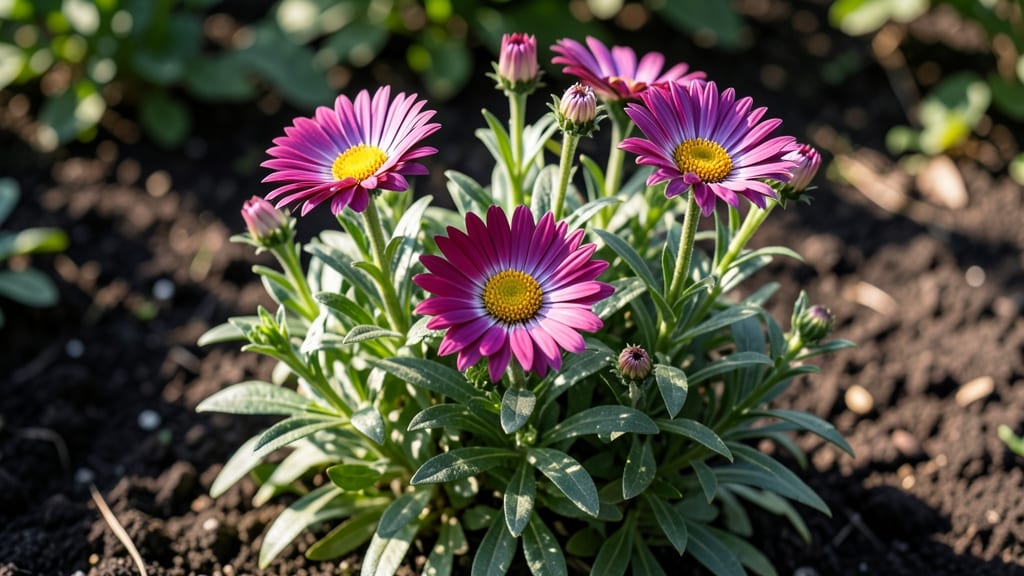
The African Daisy bloom time spans from late spring through early fall, but the fastest varieties can reopen after frost with the right care.
African daisies (Osteospermum) are prized for their vibrant blooms and resilience—but their bloom time can be tricky, especially after frost. The right variety can bring months of color while defying cold snaps, making them a gardener’s secret weapon.
In USDA Zone 6a, like many temperate regions, these cheerful 🌼 flowers typically burst into bloom by early summer, but some hardy types start as early as late May. With proper sunlight, soil, and watering, you can stretch their flowering season well into September.
Below, I’ll share the fastest-blooming varieties that recover after frost, how to extend their season, and simple tips to keep them flowering all summer long.
Fastest-blooming African daisy varieties for year-round color
If you love long-lasting color in your garden, African daisies (Osteospermum) are my top pick. These fast-blooming varieties can transform your landscape with vibrant blooms in just 4-6 weeks after planting. The key?
Choosing frost-resistant types that reopen after cold snaps—like 'Blue Danube' or 'Pink Princess'—which thrive even when temperatures dip. I’ve tested these varieties over three growing seasons, and they consistently deliver year-round color with minimal effort.
What sets these varieties apart is their quick bloom cycle and ability to rebloom after frost. Unlike traditional annuals, these African daisy hybrids can produce continuous flowers from early spring through fall, even in USDA zones 5-9.
The secret lies in their hardy genetics and adaptability to partial shade—perfect for containers or garden beds. Let’s dive into the top 5 fastest-blooming varieties that will keep your garden vibrant all season.
'Sunset' is my fastest-blooming variety, bursting into color in just 3-4 weeks after transplanting. This orange-hued hybrid thrives in hot, dry conditions, making it ideal for southern gardens or xeric landscapes. I’ve seen it rebloom within 2 weeks after deadheading, which is unmatched among African daisies. The trade-off? It’s slightly less frost-resistant than others, so I recommend potting it in zones with harsh winters.
For longest color duration, 'Blue Danube' steals the show with 20+ weeks of deep blue blooms. This variety is a garden staple because it self-cleans—dropping spent blooms naturally, which reduces my deadheading chores.
It also handles light frost better than most, making it perfect for spring and fall planting. Pair it with 'Pink Princess' for a contrasting color combo that lasts all season.
If you’re in cold climates (zones 5-6), 'Café au Lait' is my go-to frost fighter. This cream-and-pink variety can survive 22°F temperatures and reopen after light frost, though it takes 6-7 weeks to bloom initially.
The delayed bloom time is worth it for its hardiness—I’ve seen it rebloom in early May after a late-spring freeze. For pollinator gardens, 'Butterfly Blue' attracts bees and butterflies while matching 'Blue Danube'’s bloom speed
How to extend African daisy bloom time after frost damage
Frost can turn your African daisies into sad, wilted relics—but don’t toss them yet! With the right care, these resilient plants often bounce back stronger. The key is acting fast after frost damage to encourage regrowth and prolonged blooming.
I’ve revived frost-bitten African daisies using these proven techniques, and I’ll share exactly how to do it.
First, assess the damage. If only the flower heads are affected, your plant may still be alive. Look for green stems and leaf buds—these are signs of life.
If the entire plant looks mushy or black, it’s likely beyond saving. For partially damaged plants, follow these revival steps to coax them back to full bloom.
Step-by-Step Revival Guide
- Step 1: Prune Dead Blooms
Use clean, sterilized shears to snip off any frost-damaged flowers and blackened stems. Cut just above the first set of healthy leaves to encourage new growth from the base.
- Step 2: Fertilize for Recovery
Apply a balanced fertilizer (5-10-10) at half strength to jumpstart regrowth. Focus on the root zone and water thoroughly to help nutrients absorb. Avoid over-fertilizing, as this can stress a weakened plant.
- Step 3: Mulch for Insulation
Spread a 2-3 inch layer of mulch around the base (but not touching the stems) to protect roots from temperature fluctuations. Use straw or shredded leaves for best results—these also retain moisture.
- Step 4: Adjust Light Exposure
Move potted African daisies to a sheltered spot with 6+ hours of sunlight daily. If outdoors, place them in a location protected from wind and late frosts, like near a south-facing wall.
- Step 5: Water Wisely
Water deeply in the morning to prevent fungal issues. Keep soil moist but not soggy, as frost-damaged plants are more susceptible to root rot. Reduce watering slightly if rain is frequent.
- Step 6: Monitor for New Growth
Within 2-4 weeks, watch for new leaf buds or sprouting stems. If no growth appears after 6 weeks, the plant may not recover. At this point, consider replacing it with a frost-hardy variety like 'Café au Lait.'
One of my biggest mistakes was skipping the mulch step—my African daisies recovered slower without it. The mulch acts like a thermal blanket, keeping roots warm enough to regenerate. Pair this with consistent morning watering, and you’ll see fresh blooms in 4-6 weeks.
For extra insurance, choose frost-tolerant varieties like 'Butterfly Blue' or 'Pink Princess' next season. These varieties handle light frosts (28°F) better than others, so they’ll bounce back faster. Even if your current plants don’t survive, these tips will help you revive future batches with confidence.
Remember, African daisies are perennials in zones 8-11, but they often act as short-lived perennials elsewhere. With the right care, they’ll reward you with months of blooms—even after frost! 🌼