What this work is made with
This page is a list of things, not a story. Gardening depends on more than words—it lives in the hands that shape the soil, the tools that turn seeds into plants, and the wear that tells their truth. Here, we name what holds the work together.
Rose Bloom Field is where seeds learn to rise. It collects practical tips, real experiences, and the quiet magic of growing things—whether you’re starting with a single basil seed or planning a full garden bed. The site is built on the things that actually do the work.
The things that do the work
These are the objects that shape what you’ll find here: the hands they’ve been through, the dirt they’ve carried, and the lessons they’ve taught. No writing, no instructions—just the things that make the work possible.
Pruning shears
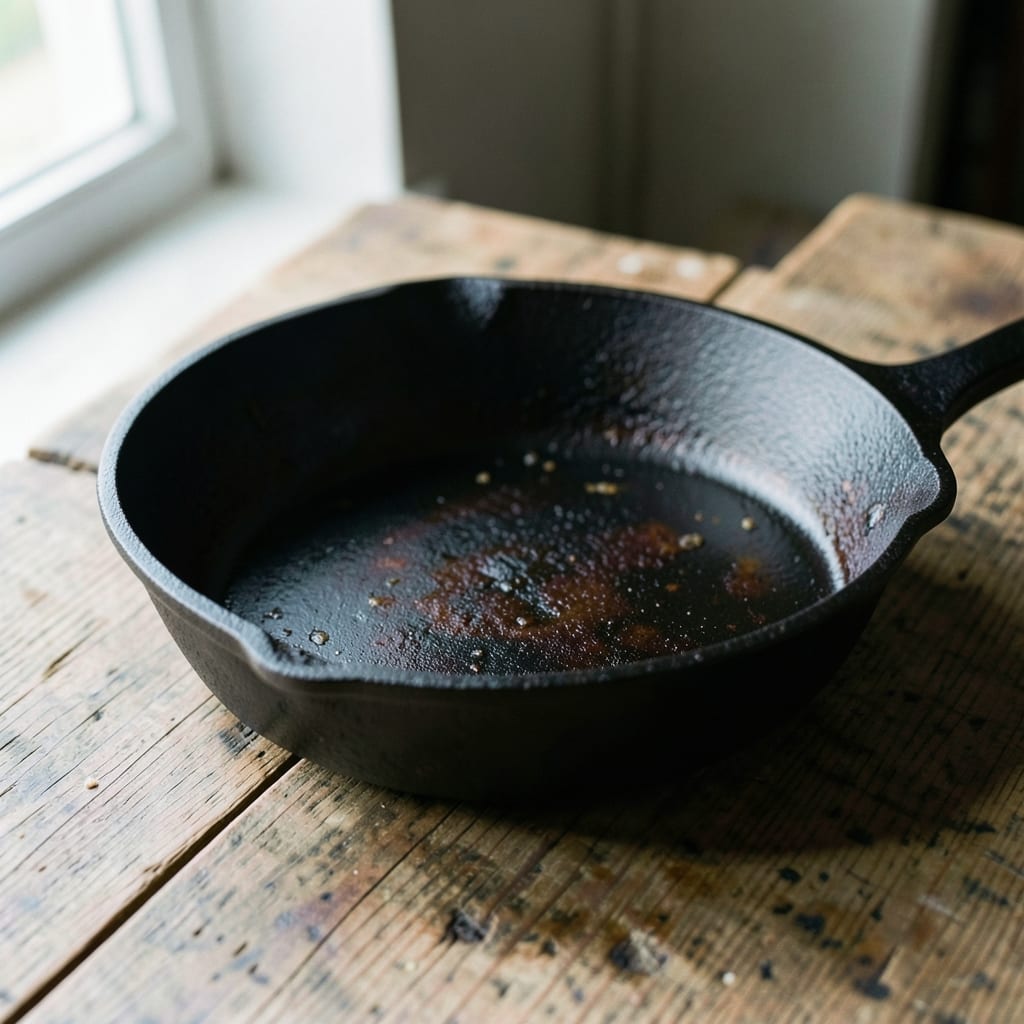
These are bolt-cutters repurposed from an old fence, their handles wrapped in frayed leather. They’ve been here since the first tomato plant needed trimming—five years ago, in a rented backyard with a single raised bed.
They cut through stems too thick for proper shears, but the blades have nicked my thumb twice. Still, they’re the only tool that ever made me notice how a plant’s growth follows the light, not the calendar.
Wooden seedling tray
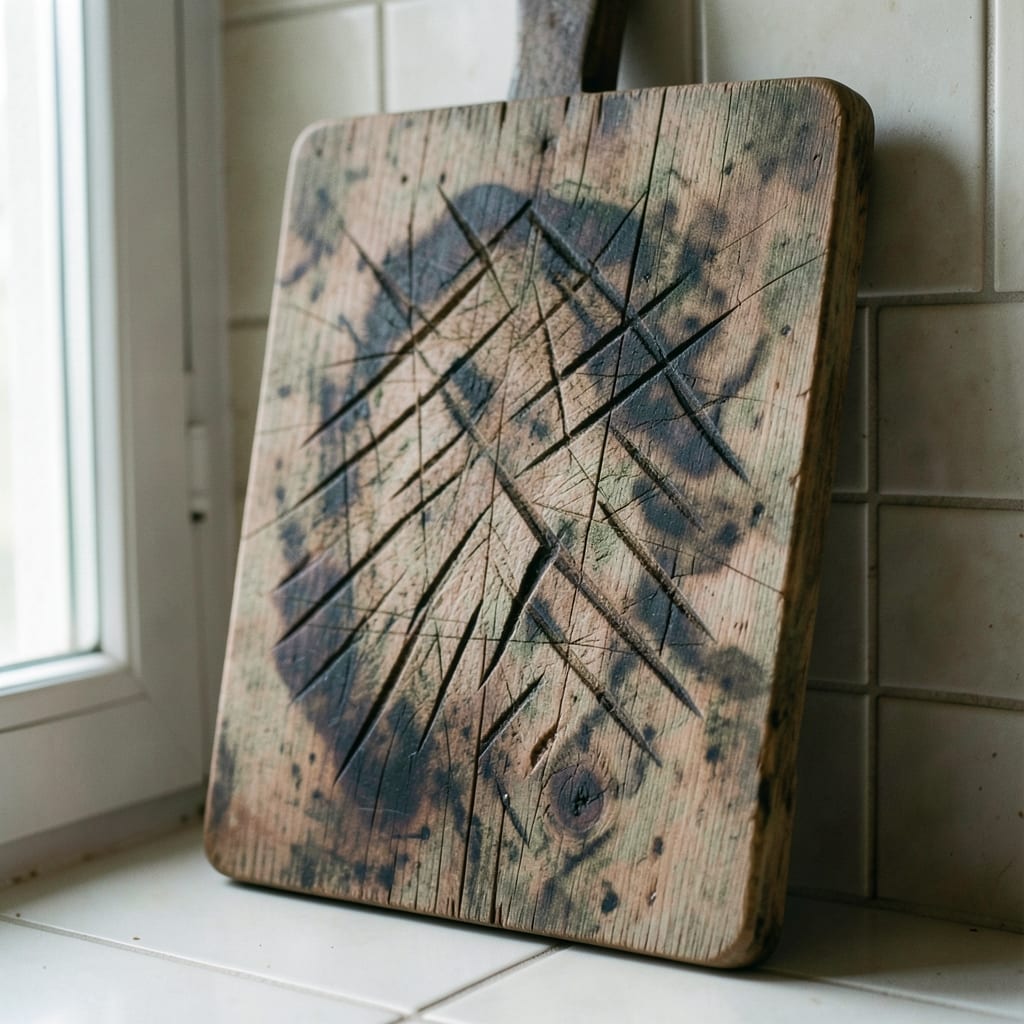
A discarded pallet split into squares, its bottom lined with a plastic bag held together by duct tape. It’s been here since day one, holding every seedling that didn’t make it to the ground.
It taught me that failure isn’t a flaw—it’s just part of the count. Last spring, 12 out of 20 basil starts died from overwatering, but the survivors were hardier than anything I’d bought at a nursery.
Garden hose
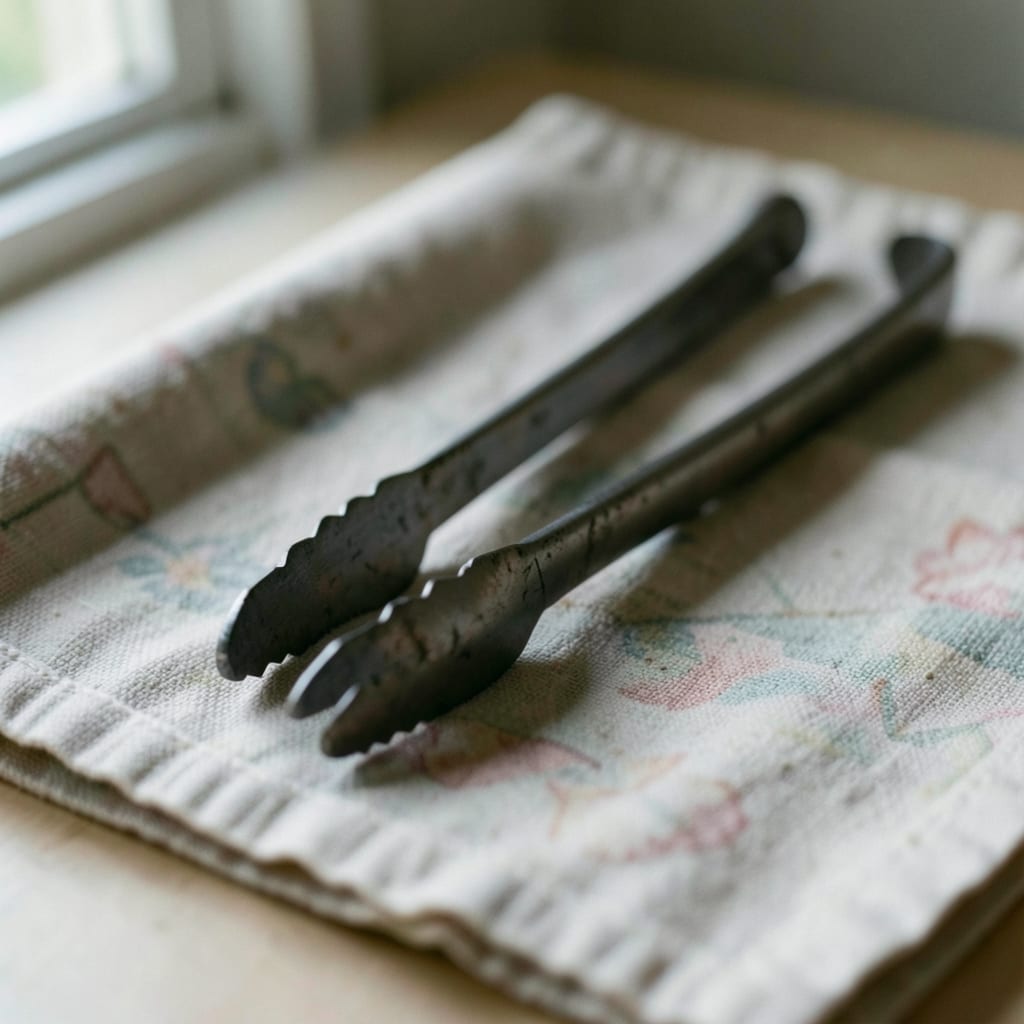
A 25-foot coil of black rubber, its nozzle cracked and its spray pattern uneven. It’s been here since the first drought year, when the city water restrictions turned every watering into a lesson in patience.
It’s the only tool that’s ever made me notice how plants drink—some gulp, some sip, and some just sit there until you give up. It’s also the one that’s always tangled when I need it.
Stone marker
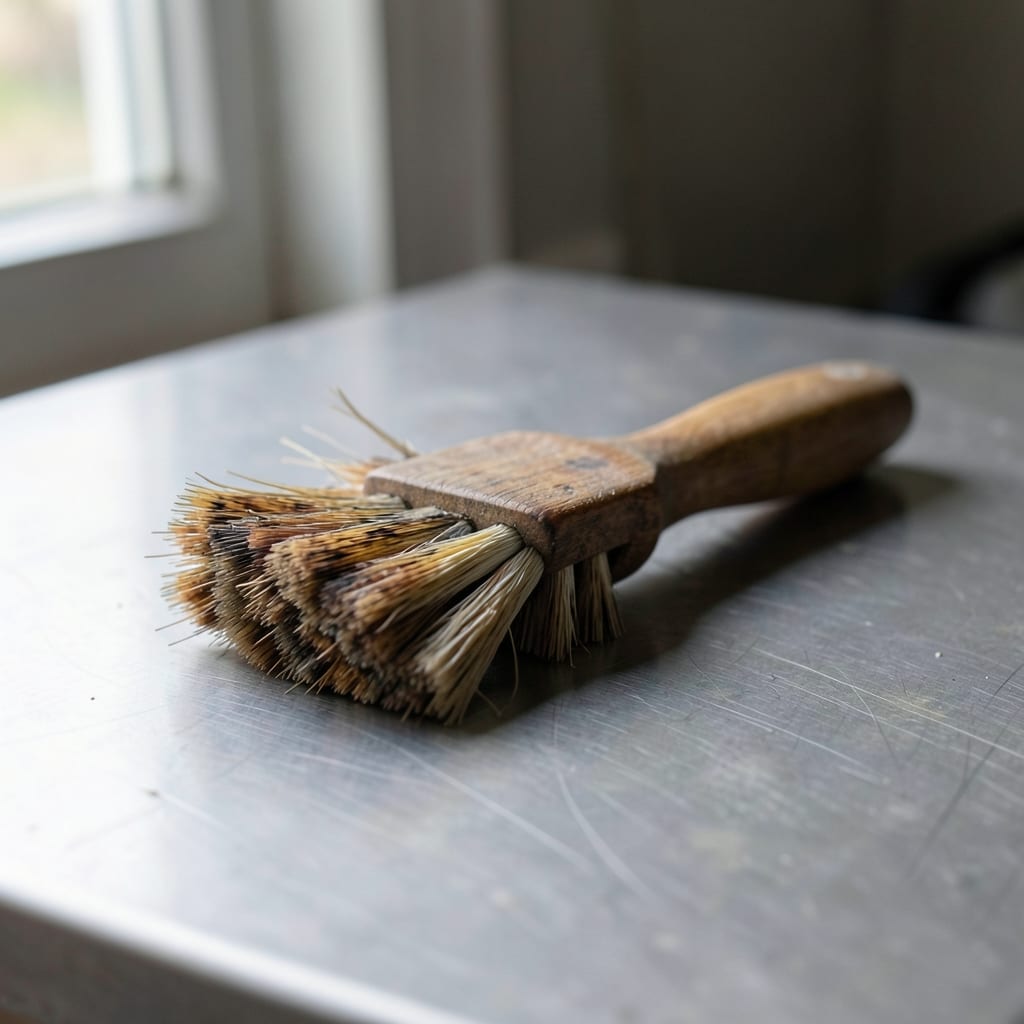
A flat river rock, its edges smoothed by years in a creek bed. It’s been here since the first garden bed was laid out, marking the spot where the sun hits at noon.
It’s the only thing that’s never moved, even when the plants around it changed. It taught me that some things—like the way light shapes growth—don’t need to be explained, just observed.
What is not in the drawer
This work does without a few things that other gardens lean on. The choices aren’t about money or shortcuts—they’re about what stays true to the hands-on, no-frills approach here.
Deliberately absent
- A trowel with a brand name—just a bent spoon from the kitchen drawer.
- A soil test kit—trust the plants, not the numbers.
- A greenhouse—seasonal limits keep things real.
- A perfect garden layout—messy beds grow the best stories.
Behind the scenes

I am Wesley Laurent, Founder & Editor. I write the words you’ll read here, but the real work is done by the things that shape the soil, the tools that shape the plants, and the hands that hold them all.
Wesley Laurent
I am the hands that hold the soil, the eyes that notice when a leaf turns, and the voice that writes it down. This site is where I put all of it—my scars, my shortcuts, and the things I’ve learned the hard way.
Provenance
I came to this from a job that wrote about tech, not dirt. A friend handed me a seed packet one rainy afternoon—‘You’ll need this more than your laptop,’ she said—and that was it. No grand plan, just a garden and a notebook.
Wear
This work has given me a thumb that blisters at the wrong times, a habit of checking soil moisture with my fingers, and a habit of noticing how plants lean toward the light. I can’t walk past a garden bed without seeing what’s growing—or what’s not.
What it is for
I’m here to turn gardening from a list of rules into a conversation. The words you read are just the start—the real work is in the dirt, the tools, and the things that grow (or don’t).
And if a page here makes you want to try something yourself, that’s the only success I care about.
Why any of this matters to you
Every tool, every scar, and every lesson here is meant to make the pages that follow feel real. You won’t find perfect gardens or polished advice—just the things that actually work, the mistakes that taught me something, and the quiet joy of watching something grow.
The tips here are shaped by the same hands that shaped the soil. That means no jargon, no assumptions, and no promises—just the things that work, the things that don’t, and the stories behind both.
The things you’ll read about grew from the same tools, the same dirt, and the same lessons. If any of it makes you want to dig in yourself, you’ll find the contact page waiting.
The guides are grouped by category: Advice, Aphids, Blooming, Companion Plants, Container Gardens and Diseases.