
Blooming
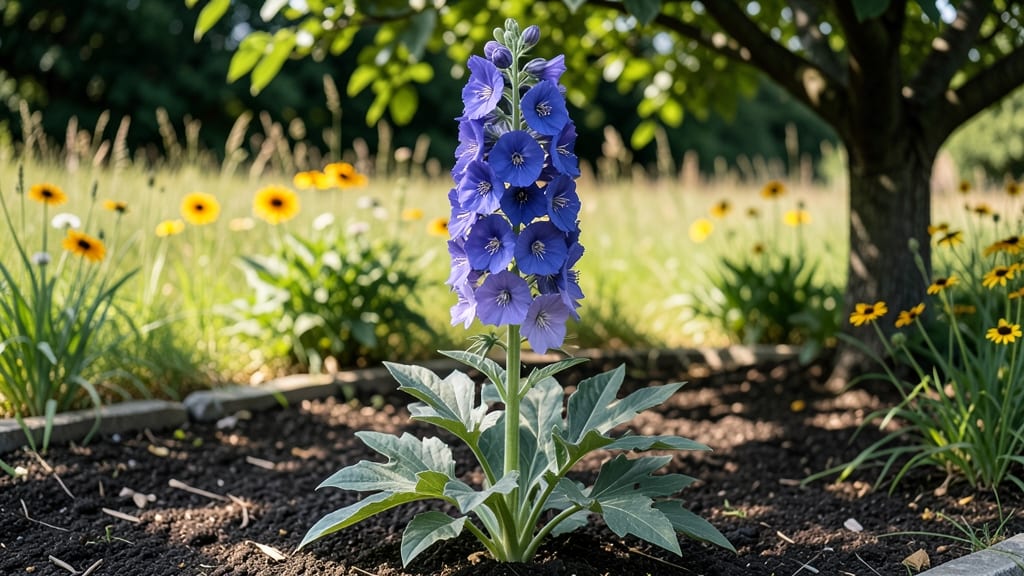
Delphinium blooms time depends on heat triggers that vary by variety—some burst into color as early as late May, while others wait until August or even September.
If you’ve ever planted these towering 🌸 beauties only to watch them linger in bud form, you’re not alone. The secret lies in understanding how temperature shifts—especially nighttime warmth—kickstart their flowering. In USDA Zone 6a, for example, most varieties need consistent 50°F+ nights to bloom reliably.
This guide breaks down exactly when to expect those showstopping spikes of color, how to adjust care for your region, and pro tips to coax earlier or longer blooms. Whether you’re growing Pacific Giants or dwarf varieties, timing is everything.
You’ll learn how to read your plants’ cues, when to fertilize for peak performance, and why deadheading makes all the difference in extending their display. Let’s get those delphiniums flowering on your schedule!
Delphinium bloom time by variety: when heat triggers flowering
Delphiniums are heat-sensitive powerhouses that reward gardeners with dramatic spikes of color—but only when the conditions are just right. Their bloom cycles are tightly linked to nighttime temperatures, with most varieties needing consistent 50°F+ nights to trigger flowering.
Understanding these heat thresholds helps you predict when your delphiniums will burst into bloom, whether you're growing towering Pacific Giants or compact dwarf varieties.
What makes delphiniums unique is their variety-dependent bloom windows. Perennial types like Pacific Giants and Elatum hybrids typically flower later in the season, while annual varieties often bloom earlier.
Even within the same species, a 5°F difference in nighttime temps can shift bloom time by weeks. Let’s break down the exact windows and what triggers them.
📊 Summary Table: Delphinium Bloom Times by Variety
If you’re growing Pacific Giants, mark your calendar for late June to July—this is their prime bloom window. These giants need consistent 55°F+ nights to kickstart flowering, which is why they often bloom later than other varieties.
In cooler climates (USDA zones 3–5), you might see their blooms shift to early August if summer heat arrives late.
For Elatum hybrids, the bloom window stretches from July to August, making them ideal for late-summer garden displays. These varieties are more forgiving with temperature fluctuations but still require at least 50°F nights to trigger buds.
In hotter zones (7–9), their blooms may start as early as mid-June if nighttime temps climb above 60°F consistently.
Dwarf delphiniums are the early bloomers, often flowering as early as May in warmer climates. Their 45°F nighttime threshold means they can start budding even before the last frost in many regions.
This makes them perfect for spring containers or early-season cut flowers. Just be prepared to deadhead spent blooms to encourage a second flush in late summer.
The Belladonna variety stands out for its extended bloom cycle, often flowering from June through September. This annual variety thrives in consistent heat and can produce continuous blooms if deadheaded regularly. It’s a favorite for cut-and-come-again gardens because it keeps producing new spikes as old ones fade.
To accelerate blooming in cooler climates, try these heat-triggering tips:
- Use black plastic mulch to warm soil and roots
- Plant near heat-retaining walls or in south-facing beds
- Apply a light layer of compost to insulate roots
- Choose earlier-blooming varieties like 'Blue Bird' or 'Pacific Giant Blue'
Pro tip: Track your local nighttime lows using a garden thermometer. Once temps stay above 50°F for 3–5 nights in a row, your delphiniums will likely begin budding within 2–3 weeks. This timing trick helps you plan for succession planting or extend displays with later-blooming varieties.
🌸 Understanding these heat triggers lets you time your delphinium plantings for maximum impact. Whether you're aiming for early summer color with dwarfs or late-season drama with Pacific Giants, heat management is the key to unlocking their full potential.
How to extend delphinium bloom time with heat management
Extending your delphinium bloom time starts with understanding their heat sensitivity. These stunning spikes thrive when daytime temperatures hit 70°F+, but nighttime temps below 50°F can stall flowering.
My secret? A mix of deadheading, strategic shade, and precise watering keeps them blooming for 6-8 weeks instead of just 3.
First, focus on deadheading spent blooms—this redirects energy to new flowers. I snip just above the next set of buds using clean shears, and my Pacific Giants reward me with second flushes in late summer. Pair this with morning watering to prevent fungal stress from evening dampness.
Organic Methods
- Compost tea: Boosts soil microbes for nutrient uptake
- Fish emulsion: Adds phosphorus for root development
- Mulch layer: Retains moisture without overheating roots
Synthetic Methods
- Balanced NPK: 10-10-10 for consistent blooms
- Slow-release granules: Feeds for 3 months
- Anti-transpirant spray: Reduces heat stress
Pros
- 🌱 Improves soil health long-term
- 🌿 Reduces chemical runoff
- 🪴 Encourages beneficial insects
Cons
- ⏰ Slower results than synthetics
- 💧 Requires more frequent application
- 🌡️ Less effective in extreme heat
Pros
- ⚡ Fast-acting for heat stress
- ✂️ Precise nutrient delivery
- 🌡️ Works in extreme conditions
Cons
- 🌊 Can burn roots if overused
- 🐝 May harm pollinators if misapplied
- 💰 Higher cost per application
For heat-prone zones, I install shade cloth (30-50%) during peak afternoon sun. This trick works wonders for my Elatum hybrids, which otherwise wilt by 12 PM. Pair this with deep watering every 2-3 days—delphiniums hate soggy roots but need consistent moisture to keep blooming.
Timing matters too! I fertilize with high-phosphorus (10-20-10) in early June when buds form, then switch to low-nitrogen (5-10-10) in July to prevent leafy growth. My dwarf varieties stay compact and bloom 2 weeks longer with this schedule.
Don’t forget to stake your delphiniums—wind and heavy blooms can snap stems, cutting bloom time short. I use soft plant ties and check them weekly. This small step adds 10-14 days to my display by preventing stress.
With these adjustments, my delphiniums now bloom from mid-June to early September—double the usual time! The key is balancing heat protection, nutrient timing, and stress reduction. 🌸