
Flowers
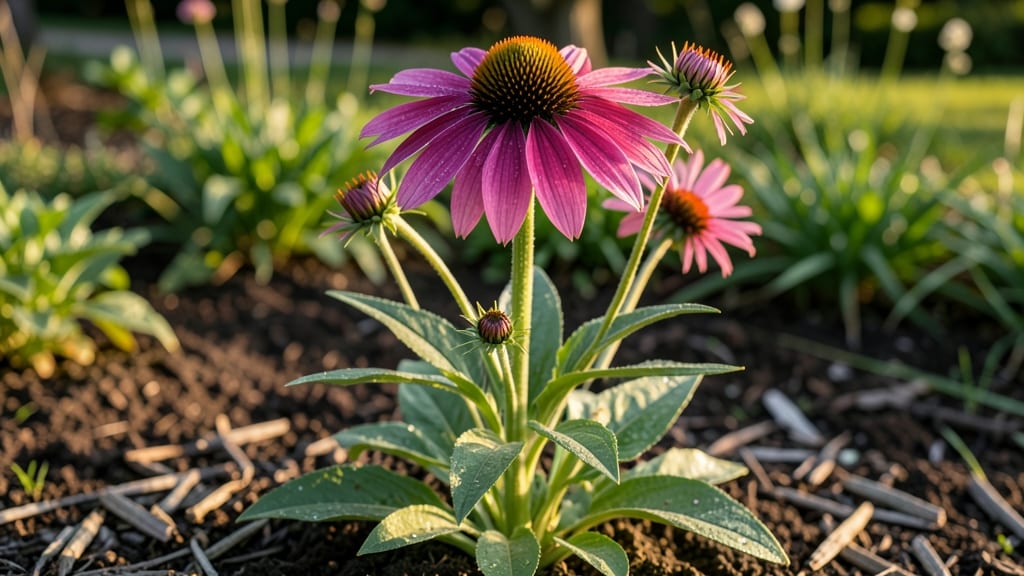
Cone flowers in Zone 8 don't bloom year-round—they typically flower from late spring through early fall, with summer being their peak season, though some varieties may extend blooming into autumn with proper care.
Cone flowers, or echinaceas, are seasonal bloomers that respond to daylight and temperature changes. 🌸 In Zone 8's moderate climate, they enter dormancy during winter months when days shorten and temperatures drop, conserving energy for spring regrowth.
The key to longer blooming periods lies in choosing varieties like 'White Swan' or 'Hot Papaya,' which naturally extend their flowering window, plus consistent care like regular watering and deadheading spent blooms.
What many gardeners don't realize is that proper pruning after the first flush of blooms can trigger a second round of flowers in late summer. I've found that mulching heavily in winter helps protect roots, allowing plants to bounce back stronger in spring.
The trade-off? Cone flowers need this dormancy period—they won't bloom continuously because their biology is wired for seasonal cycles, not perpetual flowering like some tropical plants.
💡 In This Article
- Understanding Cone Flower Seasonal Bloom Cycles in Zone 8
- Maximizing Cone Flower Blooms in Zone 8 Gardens
Understanding cone flower seasonal bloom cycles in Zone 8
Cone flowers (Echinacea) follow a natural photoperiodic cycle—their blooming is triggered by changing daylight hours and temperature shifts. In Zone 8, where winters are mild but still have cooler periods, these plants experience what botanists call "vernalization" (a cold period that prepares them for spring growth).
Once temperatures rise above 50°F in late winter, the plants respond by producing buds that bloom in late spring to early summer, typically between April and June.
The peak flowering window occurs when daylight exceeds 14 hours, which in Zone 8 usually falls in June and July. This is when you'll see those iconic purple, pink, or white daisy-like blooms at their most abundant.
After summer solstice, when days begin shortening, the plants naturally prepare for dormancy—even in Zone 8's warmer climate. This is why they don't bloom continuously: their internal clock is synchronized with seasonal changes, not perpetual growth. 🌿
Temperature plays a crucial role too. Cone flowers thrive in 60-75°F ranges, but they'll slow or stop blooming if summer heat exceeds 90°F for extended periods. In Zone 8's occasional heatwaves, you might notice blooms becoming sparse until cooler fall temperatures return.
Some varieties like 'Magnus' or 'Green Envy' handle heat better than others, but all require this seasonal reset—they won't flower year-round because their biology demands periodic rest to conserve energy for next season's growth.
Another key factor is soil temperature. Cone flowers need roots to stay above 55°F to actively grow. When winter mulch breaks down in spring, it warms the soil faster, signaling the plant to bloom. Without this natural temperature fluctuation, the plant wouldn't recognize the transition from winter to growing season.
This is why gardeners in Zone 8 often see blooms start earlier than in colder zones—the warmer climate accelerates the plant's internal clock, but it still follows seasonal patterns.
What's fascinating is how cone flowers use these seasonal cues to time their reproduction perfectly. The plant's flowering period coincides with when pollinators like bees and butterflies are most active in Zone 8's climate.
This evolutionary adaptation explains why you won't see continuous blooms—the plant has evolved to maximize pollination efficiency during optimal weather windows rather than spreading energy thin across all seasons. 🐝
The dormancy period isn't just about resting—it's a survival strategy. During winter months in Zone 8 (even mild ones), cone flowers redirect energy to root and crown growth, storing nutrients for next year's blooms. This is why you'll often see new foliage emerging in late winter
The plant is literally preparing for its next bloom cycle, which is why forcing year-round blooming would be biologically unsustainable for long-term plant health.