
Blooming
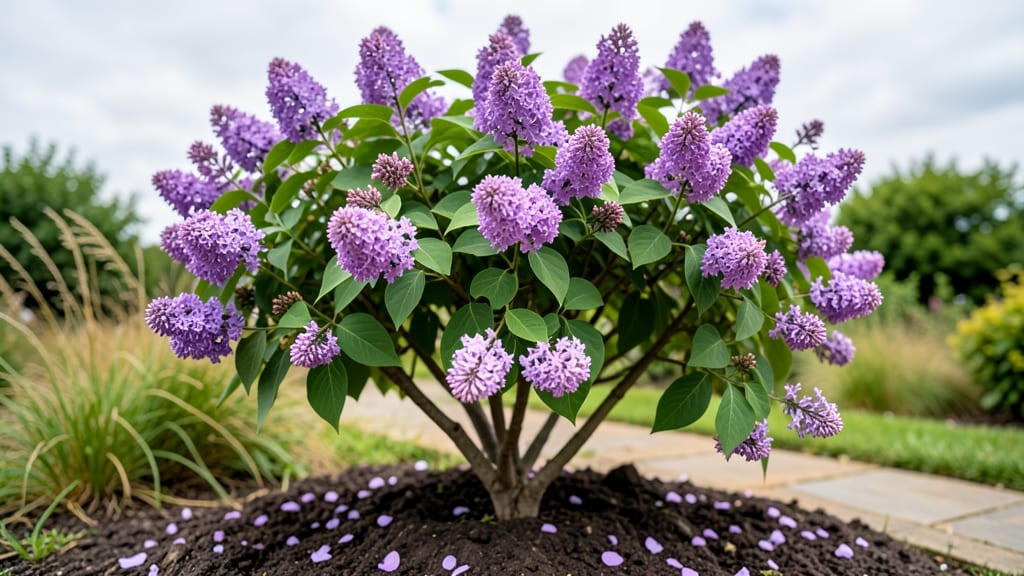
Lilacs don't bloom all summer—they produce their vibrant flowers in a brief 5–10 day window during spring, with fragrance lingering for about 1–2 weeks. Proper late-season maintenance like pruning and soil enrichment is key to promoting stronger blooms next year.
Lilacs are spring ephemerals, meaning their entire blooming cycle is timed to coincide with early spring conditions. 🌸 The short bloom window is actually a survival strategy—lilacs evolved to flower when pollinators are most active but before summer heat arrives.
What many gardeners don't realize is that these plants go dormant after blooming, storing energy for next year's growth. The fragrance you love so much actually peaks during the final 3–5 days of flowering, which is why timing your visits matters if you want that full sensory experience.
For gardeners eager to extend their lilac season, the secret lies in post-bloom care. After flowers fade, prune spent stems back to the first set of healthy buds to redirect energy into next year's blooms.
I've found that adding a balanced fertilizer in early fall gives lilacs the nutrients they need to push out stronger flower clusters the following spring. Just remember—never prune in late summer or fall, as this can stimulate new growth that won't survive winter's chill.
💡 In This Article
- Lilac Bloom Duration and Seasonal Growth Cycle
- Extending Lilac Fragrance and Late-Season Pruning Tips
Lilac bloom duration and seasonal growth cycle
The lilac's brief flowering period is governed by its biological clock, which responds to specific environmental cues. These shrubs are spring ephemerals, meaning their entire bloom cycle is triggered by chilling temperatures (32–45°F) during winter dormancy followed by increasing daylight hours in late winter.
Once temperatures consistently reach 50–60°F and daylight exceeds 12 hours, the plant's hormonal signals kickstart flower bud development. This process typically takes about 4–6 weeks, which explains why blooms appear so suddenly in spring.
What limits their bloom duration isn't just genetics—it's a combination of floral biology and environmental stress. Lilac flowers contain high concentrations of volatile organic compounds (like linalool and benzaldehyde) that create their signature fragrance, but these same compounds accelerate the flowers' senescence (aging process).
Once blooming begins, each flower has a 3–5 day lifespan before wilting, and the entire cluster follows within 5–10 days. The intense heat of summer would actually inhibit new blooms because lilacs require cool spring temperatures (50–70°F) to maintain their flowering mechanisms.
Here's where many gardeners get confused: lilacs don't rebloom in summer because they've already allocated their energy reserves. The plant's growth cycle follows this pattern: dormancy (fall/winter) → bud formation (late winter) → flowering (spring) → vegetative growth (summer) → dormancy preparation (fall).
After blooming, lilacs enter a refractory period where they're physiologically incapable of producing new flowers until they've completed their full growth cycle. This is why you'll never see lilacs flowering in July—they're too busy storing carbohydrates in their roots for next year's blooms.
The fragrance you associate with lilacs actually peaks during the final 24–48 hours of flowering when volatile emissions are at their highest. This is why many gardeners report their lilacs smell strongest in the late morning to early afternoon, when temperatures are mild and humidity is moderate.
The scent molecules (like linalool) are most stable under these conditions, creating that iconic sweet, floral aroma. In contrast, hot summer days would actually degrade these compounds faster, which is why lilacs never regain their springtime fragrance intensity.
Consider these key factors that affect bloom duration:
- Varietal differences: Some cultivars like 'Katherine Haviland' bloom for 7–10 days, while others like 'President Lincoln' may only last 5 days
- Location climate: Northern regions often get longer bloom periods (10+ days) due to cooler spring temperatures
- Soil moisture: Consistent 1–1.5 inches of water weekly during bloom supports longer-lasting flowers
- Pruning history: Over-pruned shrubs may bloom 2–3 days shorter due to reduced energy reserves
What most people don't realize is that lilacs actually pre-program their bloom duration during the previous fall. The length of daylight in September determines how many flower buds will form, which directly correlates to bloom length.
This is why lilacs in shorter-day regions (like Zone 4) often have longer bloom periods than those in longer-day southern climates (Zone 8). 🌿