
Blooming
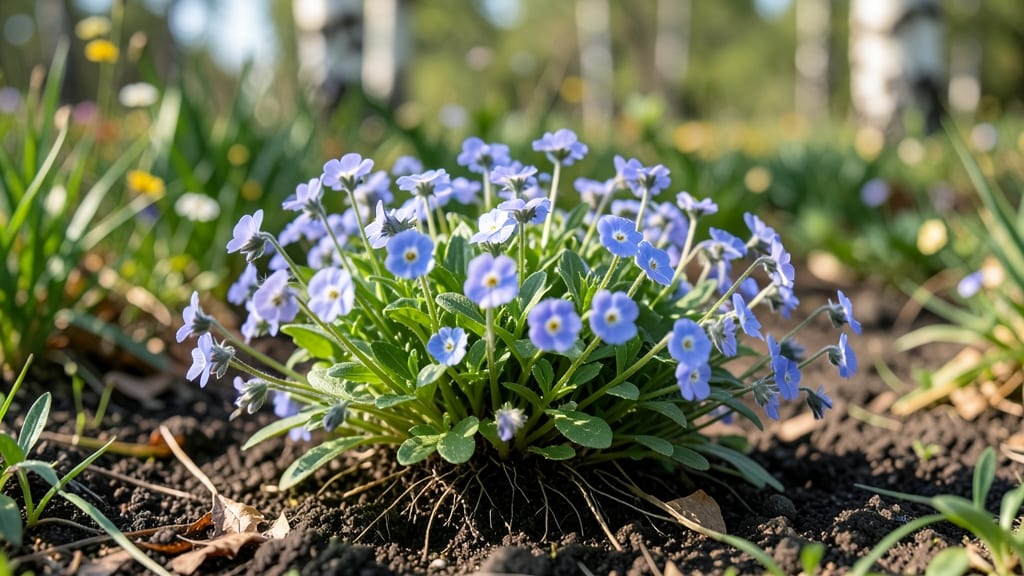
Forget-me-nots burst into the bloom time as soon as the snow melts—that early spring magic—and keep surprising you with fresh flowers even after frost. 🌸 I’ve watched them transform my garden from bare winter to a sea of blue, then again in late summer when most plants have given up.
The timing isn’t just about the calendar; it’s about giving these cool-season stars the right conditions.
They thrive in zones 3-9, with blooms stretching from late April through June, then a second flush in late summer if you deadhead spent flowers. In warmer climates, they might linger into fall, while colder regions get a single, dramatic spring show.
The key? Plant them in partial shade—they’ll reward you with vibrant blue clusters that last weeks longer than sun-baked competitors.
Pair them with columbine, lungwort, or sweet woodruff for a woodland understory effect, or let them spill over edges where their delicate blooms contrast with ferns or hostas.
The secret to their longevity? Consistent moisture and light pruning after each wave of flowers fades—it signals the plant to keep producing.
Whether you’re filling gaps in early spring or extending color into fall, forget-me-nots are the underrated workhorses of the garden. Their resilience makes them perfect for cut arrangements too—just snip stems before the buds fully open for the longest vase life.
📚 In This Guide
- What you need
- Instructions
- Tips and common mistakes
- Wrapping up and next steps
What you need
- ● Forget-Me-Not Seeds or Plants: Choose Myosotis varieties like Myosotis sylvatica (true forget-me-not) or Myosotis scorpioides (water forget-me-not). Opt for organic, disease-resistant seeds or healthy nursery starts (6–12 plants for a small border, 24+ for a full garden bed).
- ● Well-Draining Soil: A mix of 50% garden soil, 30% compost, and 20% perlite or coarse sand (1–2 cubic yards for a 10’x10’ bed). Forget-me-nots thrive in slightly acidic to neutral pH (6.0–7.0).
- ● Sunlight Access: Partial shade to full sun (3–6 hours of morning sun is ideal). Avoid harsh afternoon rays in hot climates.
- ● Watering Can or Drip Irrigation: A gentle spray nozzle or soaker hose to keep soil consistently moist but not soggy.
- ● Mulch: 1–2 inches of organic mulch (straw, shredded bark, or pine needles) to retain moisture and suppress weeds.
- ● Garden Trowel or Transplanter: For digging small holes (2–3” deep) for seeds or seedlings.
- ● Gloves & Kneeling Pad: Protect your hands and knees during planting!
- ● Fertilizer: Balanced, slow-release fertilizer (10-10-10 or 5-5-5) or compost tea for a gentle nutrient boost. Apply once in early spring and again after frost.
- ○ Stakes or Trellis (Optional): For Myosotis scorpioides (water varieties), use bamboo stakes or a small pond edge trellis to support trailing stems.
- ● Pruning Shears: To trim spent blooms and encourage reblooming after frost.
- ○ Frost Cloth (Optional): Lightweight fabric to protect young plants from late frosts (if your zone has unpredictable cold snaps).
How to time forget-me-not blooms for season-long color
Here's how I coax these delicate blooms to thrive through frost and rebloom beautifully.
🌱 Step 1: Plant at the Right Time for Cool-Season Success
Forget-me-nots thrive in cool weather, so plant them 4-6 weeks before your first frost—typically late summer to early fall in most climates. This gives roots time to establish before winter chill arrives. I like to plant mine in partial shade where they get morning sun and afternoon shade, especially in hotter regions.
Use well-draining soil with a pH between 6.0 and 7.0—forget-me-nots are sensitive to alkaline conditions. If your soil is heavy clay, amend it with 1-2 inches of compost before planting. The key is to mimic their natural woodland habitat where they get moisture but not soggy roots.
☀️ Step 2: Provide Consistent Moisture Without Overwatering
These flowers need consistent moisture but hate sitting in wet soil. Water deeply 2-3 times per week until the top 1-2 inches of soil feel damp. In hotter months, you may need daily watering, but always check the soil before watering—dry soil is better than soggy roots.
I mulch around the plants with 1-2 inches of organic mulch to retain moisture and keep roots cool. Forget-me-nots are drought-tolerant once established, but they'll reward you with more blooms if you keep them evenly moist during their growing season.
✂️ Step 3: Deadhead and Prune for Extended Blooming
To encourage reblooming after frost, deadhead spent flowers regularly throughout the season. Simply pinch off the faded blooms with your fingers or use clean scissors. This redirects the plant's energy toward producing new flowers instead of setting seed.
In late summer, after the first flush of blooms, give your forget-me-nots a light trim by cutting back one-third of the foliage. This stimulates fresh growth and often triggers a second round of blooms in early spring. Just avoid cutting into old wood—focus on new growth near the base.
🪴 Step 4: Protect from Harsh Winter Conditions
Forget-me-nots are surprisingly hardy and can survive light frosts, but heavy snow or ice can damage tender stems. In areas with harsh winters, apply a 2-3 inch layer of mulch around the plants in late fall to insulate the roots. I also gently tie the stems together to prevent wind damage.
The real magic happens after frost. Many varieties rebloom beautifully in early spring as temperatures warm. Watch for new growth in late winter—this is your cue that the plant is preparing for another show. With proper care, you'll get two to three bloom cycles per year from these charming little flowers.
⏰ Step 5: Divide and Renew Every 2-3 Years
Forget-me-nots form dense clumps over time, which can lead to fewer blooms. Divide them in early spring or fall when the soil is cool and moist. Simply dig up the clump, separate it into 2-3 inch sections with roots attached, and replant. This rejuvenates the plant and gives you more blooms.
I divide mine every 2-3 years in early spring. The divisions establish quickly and often flower the same year. This is also a great way to share plants with friends—just a small clump will root easily in moist soil.
Tips & tricks for perfect cool-season forget-me-nots
These subtle adjustments will help your forget-me-nots thrive through frost and deliver stunning reblooms.
Timing is Everything: The 4-6 week planting window before your first frost is non-negotiable for root establishment. I've found that planting too early in hot weather causes stress, while planting too late leaves roots vulnerable. Check your local frost dates and mark your calendar—this timing ensures your plants hit the ground running when cooler weather arrives.
Soil Science Matters: Forget-me-nots despise alkaline conditions, so test your soil pH before planting. If it's above 7.0, amend with sulfur or peat moss to lower it to that ideal 6.0-7.0 range. I've seen forget-me-nots struggle in my neighbor's garden because their soil was naturally alkaline—adding compost helped, but we had to go further with soil amendments for real success.
Watering Wisdom: That 2-3 times per week guideline works for average conditions, but your actual watering needs depend on your climate. In my dry mountain garden, I water daily during summer heat, while my coastal friends water every other day. Always check soil moisture by sticking your finger 1-2 inches deep—this is the only reliable way to determine when your plants truly need water.
Pruning Precision: When you trim back one-third of the foliage in late summer, focus on the oldest growth near the base. I've seen gardeners accidentally cut into the woody stems, which stunts new growth. Use clean pruners or your fingers to remove just the leggy, spent stems—this encourages bushier, more vigorous regrowth that produces even more blooms after frost.
Pro Tips for Forget Me Not Bloom Time
- These subtle adjustments will help your forget-me-nots thrive through frost and deliver stunning reblooms.
- Timing is Everything: The 4-6 week planting window before your first frost is non-negotiable for root establishment. ...
- Soil Science Matters: Forget-me-nots despise alkaline conditions, so test your soil pH before planting. If it's above...
Frequently asked questions
Got questions about when and how to enjoy the delicate beauty of forget-me-nots? Here are answers to the most common ones—so you can plan your garden (or bouquet) with confidence!
When do forget-me-nots typically bloom?
Forget-me-nots usually bloom in late spring to early summer (May–June), but their cool-season charm means they often rebloom after frost in fall. Early varieties may even peek through in April if temperatures stay mild.
Can forget-me-nots bloom after frost?
These hardy perennials thrive in cool weather and often rebloom in fall after a light frost. In fact, a light freeze (28–32°F) can trigger a second flush of blooms. Just avoid heavy frost or snow—it may damage tender stems.
How do I encourage more blooms?
To maximize blooms, deadhead spent flowers regularly and fertilize lightly with a balanced 10-10-10 mix in early spring. They love partial shade and moist, well-drained soil. Avoid overcrowding—space plants 9–12 inches apart for better airflow and blooming.
What if my forget-me-nots aren’t blooming?
Lack of blooms often means the plant is over-fertilized (too much nitrogen) or not getting enough sunlight. Try moving it to a sunnier spot (4–6 hours of light) and switch to a low-phosphorus fertilizer to promote flowers. Patience helps too—they may take 2–3 years to fully establish.
Are there alternatives for year-round color?
If you want continuous blooms, pair forget-me-nots with cool-season annuals like pansies or violas (fall/winter) and perennials like ajuga or heuchera for foliage interest. For summer color, add black-eyed Susans or coneflowers—they’ll pick up where forget-me-nots pause.
Wrapping up and next steps
From their delicate blue blooms to their resilience after frost, forget-me-nots are nature’s tiny reminders of timeless beauty and adaptability. 🌿 Whether you’re planting them for pollinators, a cottage garden vibe, or simply to savor their cheerful charm, these cool-season stars prove that patience and care pay off—just like their second bloom after winter’s chill.
Ready to invite more magic into your garden? Start by sketching a simple layout (or grab a shovel!) and plant your first forget-me-nots this fall. Watch them thrive—and don’t forget to admire the little things!