
Flowers
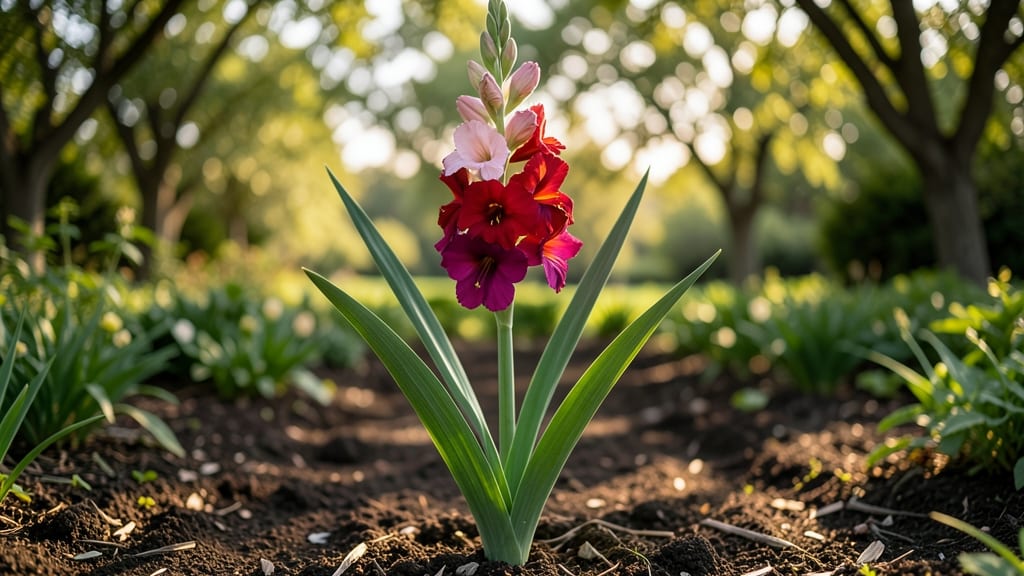
The gladiolus flower bloom time turns your garden into a vertical rainbow of color 🌸 when timed right.
Timing your gladiolus planting can mean the difference between a stunning summer display and a missed opportunity—these showstopping blooms thrive on precision, and their bloom windows vary dramatically by climate zone.
In USDA Zone 6a, where I garden, blooms typically start in early July and last through August, but hotter zones like 9-11 may see flowers as early as June or stretch into October.
Below, I’ll break down exactly when to expect those iconic spikes of color in your area, how to adjust planting for earlier or later blooms, and the three key factors that can shift your bloom time by weeks.
Gladiolus bloom time by USDA hardiness zones: when to expect flowers
Gladiolus flowers are summer's star performers, but their bloom timing shifts dramatically depending on your USDA hardiness zone. Whether you're in the cool northern zones or hot southern climates, understanding these patterns ensures you'll have cutting garden material from July through September.
Let's break down when to expect those iconic spike-like blooms across the country.
In USDA zones 3-5, gardeners typically see blooms starting in late July and lasting through mid-September, while zones 6-8 enjoy an extended display from early June to October.
Southern gardeners in zones 9-11 might even get year-round blooms with staggered plantings. The key is selecting early, mid, and late-season varieties to create continuous color.
| USDA Zone | Early Varieties Bloom | Mid Varieties Bloom | Late Varieties Bloom | Key Planting Time |
|---|---|---|---|---|
| 3-4 | Late July | Early August | Mid-September | May 1-15 |
| 5-6 | Early July | Mid-August | Late September | April 15-May 1 |
| 7-8 | Late June | Early July | Early October | March 15-April 15 |
| 9-10 | May | June | November | February-March |
| 11 | April | May-June | December | Year-round |
For zones 3-5, I recommend starting with early-blooming varieties like 'Picasso' or 'Green Star' to kick off your summer display. These cool-climate varieties handle shorter growing seasons better and often produce more robust stems in northern gardens.
Plant them 4-6 weeks before your last frost date—typically around May 1 in these regions.
In zones 6-8, you'll have the most flexibility with bloom timing. Try planting three batches of corms—one in early spring, one in late spring, and one in early summer—to create a continuous bloom from June through October.
Popular choices include 'White Prosperity' for early blooms and 'Black Star' for late-season color.
Southern gardeners in zones 9-11 can enjoy year-round blooms with careful planning. Plant heat-tolerant varieties like 'Tangerine' or 'Red Beauty' in February-March for spring blooms, then repeat in August-September for fall displays. With proper irrigation and mulching, you can even get winter blooms in mild climates.
One critical factor affecting bloom time is daylength. Gladiolus are long-day plants, meaning they need 14+ hours of daylight to trigger flowering.
In northern zones, this happens naturally in summer months, while southern gardeners may need to use shade cloth during peak summer to prevent early dormancy.
To maximize your gladiolus display, pair early bloomers with late-season varieties. For example, plant 'Green Star' (early) alongside 'Black Star' (late) to ensure continuous color from July through September. In warmer zones, consider adding annual varieties like 'Picasso' for <
How to extend your gladiolus bloom season with strategic planting
Gladiolus flowers are summer's showstoppers, but their natural 3-4 week bloom window can feel disappointingly short. The secret to extending those vibrant displays? Strategic planting that tricks your garden into thinking it's always summer.
By staggering your plantings and choosing the right varieties, you can enjoy gladiolus blooms from early July through September—or even longer in warmer climates.
I've learned through trial and error that heat-tolerant varieties like 'Green Star' and 'White Friendship' thrive when planted later in the season, while early bloomers like 'Picasso' need that spring planting window to get a head start.
The key is understanding how to space out your plantings and prepare your soil for maximum performance.
🌱 5 Proven Tactics to Extend Gladiolus Blooms
- 📅 Stagger plantings every 2-3 weeks from spring through early summer for continuous blooms
- ☀️ Choose heat-tolerant varieties like 'Black Pearl' for late-season planting (after Memorial Day)
- 🌱 Plant dwarf varieties in containers for flexible placement and extended seasons
- 💧 Deep-soak soil before planting to establish strong root systems for prolonged flowering
- ✂️ Deadhead spent blooms to redirect energy to new flower production
My favorite technique is creating a rolling bloom schedule that starts with early varieties planted in late April and ends with heat-lovers going in mid-July. This creates a 6-8 week extension of continuous color in my garden beds.
For example, I plant 'Apricot Beauty' in May for July blooms, then follow with 'Red Shades' in June for August flowers, and finally 'White Friendship' in July for September displays.
Don't overlook soil preparation—gladiolus roots need well-draining, nutrient-rich soil to support their dramatic growth. I always amend my planting beds with compost and bone meal before installing corms. This gives them the phosphorus boost they need for strong root development, which directly translates to more and longer-lasting blooms.
A simple soil test before planting can reveal if your garden needs additional amendments like potassium or lime.
For gardeners in warmer climates (zones 8-11), you can push the envelope even further by planting fall varieties like 'Pink Parfait' in late summer. These will bloom through October and November, providing stunning color when many other flowers have faded.
Just be sure to choose varieties with mild frost tolerance and protect them with mulch as temperatures drop.
Remember that light exposure plays a crucial role too. Gladiolus need at least 6 hours of direct sunlight daily to produce their best blooms. If your garden has partial shade, consider planting dwarf varieties near containers where you can move them to sunnier spots as needed.
With these strategic approaches, you can transform your gladiolus from a short-lived summer flash into a season-long garden star.