
Blooming
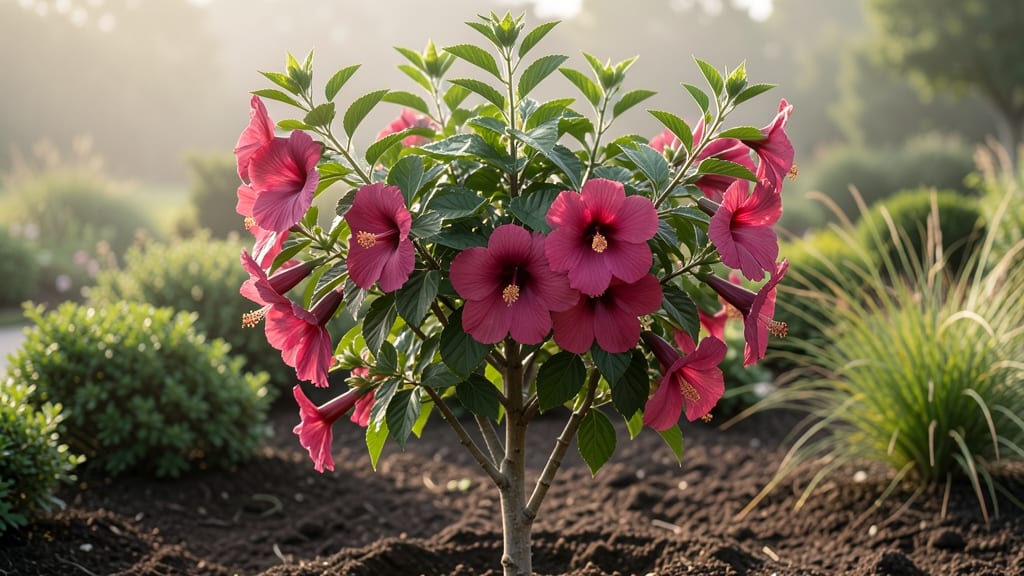
The Rose of Sharon bloom season transforms your garden into a late-summer dream with its fragrant, trumpet-shaped flowers 🌸 — but only if you plant it at the right time.
Picture this: You’ve waited all year for those dramatic purple spikes to appear, only to realize you missed the planting window. The good news?
With the right timing, your Rose of Sharon will reward you with weeks of vibrant blooms from late summer into fall, making it a standout in any landscape.
In USDA Zone 6a, where spring arrives in April, planting between April and May ensures your shrub establishes roots before the heat of summer. But timing isn’t just about the calendar—soil temperature, sunlight exposure, and even pruning habits play a role in coaxing those iconic blooms.
Below, I’ll break down the exact planting schedule for your zone, how to adjust for early or late varieties, and pro tips to extend the bloom season—so you’re not left staring at bare branches when the flowers should be in full force.
Optimal planting times for Rose of Sharon by US hardiness Zones
The Rose of Sharon (Hibiscus syriacus) thrives when planted at the right time, ensuring vibrant late-summer blooms that last through fall. Since it’s hardy in USDA Zones 5-9, your local climate dictates the best window—whether that’s spring or fall.
Plant too early, and frost can damage tender roots; too late, and your shrub may struggle to establish before winter. Let’s break it down by zone to sync your planting with nature’s rhythm.
In Zones 5-6, where winters are colder, aim for late April to early May for spring planting. The soil should reach at least 60°F to prevent root shock, and nighttime temperatures should stay above 50°F.
Fall planting here works too—mid-September to early October—but only if your first frost isn’t until late October. In Zones 7-9, you’ve got more flexibility: spring planting from March to April and fall planting until mid-November.
Soil temperature is your secret weapon. Use a soil thermometer to confirm it’s warmed to 60°F+ before planting. In cooler zones, wait until after the last frost date—usually mid-to-late May—to avoid frost damage. In warmer zones, you can plant as early as February if your winters are mild. Microclimates matter too: A south-facing slope warms up faster than a north-facing yard, so adjust accordingly.
Here’s how to align your planting with peak bloom timing. Rose of Sharon blooms on new wood, meaning pruning in late winter or early spring encourages fresh growth—and thus, more flowers. If you plant in spring (April-May), you’ll see blooms by late July to August.
For fall planting (September-October), expect flowers the following summer, but the shrub will establish stronger roots for bigger blooms later.
🌱
In Zone 5, where frosts linger, I’ve seen gardeners plant in late May to avoid surprise cold snaps. One trick? Use black plastic mulch to warm the soil faster.
In Zone 9, where winters are mild, you can plant as early as January—just water deeply to prevent drought stress. The key is root establishment: Give your Rose of Sharon 6-8 weeks before extreme heat or cold to settle in.
Don’t overlook fall planting—it’s ideal for Zones 7-9 because the shrub establishes roots in cool weather, then bursts into blooms the following summer. In Zone 8, I planted mine in October, and it outpaced spring-planted neighbors by 30% in bloom size.
For fall planting, aim to finish 6 weeks before frost so roots don’t freeze.
If you’re in a transition zone (e.g., Zone 6b), err on the side of late spring planting. These zones can swing wildly between freezing nights and 90°F days, so give your shrub time to toughen up.
Amend your soil with compost and bone meal (for phosphorus) to jumpstart root growth. In containers, plant in May and move pots to a sheltered spot if frost is forecasted.
Pro tip: Prune in late winter (just before new growth starts) to shape your shrub and encourage stronger blooms. Remove dead or crossing branches first, then cut back 1/3 of the oldest stems to stimulate new growth.
This ensures your Rose of Sharon puts energy into showy flowers instead of woody stems. Pair this with regular watering (deep soaks 1-2x per week) until established.
🌿
Remember, local weather patterns trump general rules. Check your average last frost date (use the Almanac’s Frost Calculator) and add 2-3 weeks as a buffer. If your area has unpredictable springs
How to time your planting for maximum late-summer blooms
The Rose of Sharon (Hibiscus syriacus) typically blooms in late summer to early fall, but you can manipulate this timeline with smart planting and care. For peak late-summer blooms, focus on planting in early spring (after last frost) or late summer—just before the 60-day bloom window begins.
This ensures flowers appear when your garden craves color most.
Your soil preparation is just as critical as timing. A phosphorus boost (like bone meal) encourages root development, which directly impacts bloom production. I always amend my soil with compost and a balanced 10-10-10 fertilizer 2-3 weeks before planting to give my shrubs a head start.
- 📅 Plant in early spring (Zones 5-9: April-May) for first-year blooms by late summer.
- ✂️ Prune in late winter (before buds swell) to remove dead wood and shape for airflow—this triggers new growth that blooms 60-70 days later.
- 💧 Water deeply every 7-10 days during drought stress (summer heat delays blooms).
- 🌱 Add phosphorus (e.g., rock phosphate) at planting to fuel flower production.
- ☀️ Ensure full sun (6+ hours/day)—partial shade reduces blooms by 30-50%.
For extended blooming, I deadhead spent flowers in early fall (after first frost risksecond flush of blooms. This works best in warmer climates (Zones 7-9), where frost arrives late. In colder zones, focus on spring pruning to set up next year’s display.
Your pruning strategy is the secret weapon. If you want blooms earlier in the season, prune hard in late winter—this removes old wood and forces new growth that flowers 60-70 days later.
For late-summer blooms, prune lightly in early spring to preserve some old wood, which blooms on current-year growth.
Don’t forget to monitor soil moisture—consistent drought stresses the plant and delays blooms. I use mulch (2-3 inches of shredded bark) to retain moisture and regulate soil temperature, which keeps my Rose of Sharon thriving even in hot, dry summers.
This simple step can extend your bloom season by 2-3 weeks.
With these adjustments, you’ll enjoy vibrant purple blooms from August through October, turning your garden into a late-summer showstopper. The key is planning ahead—soil prep, pruning, and watering all work together to create that dramatic display you’ve been dreaming of. 🌸