
Blooming
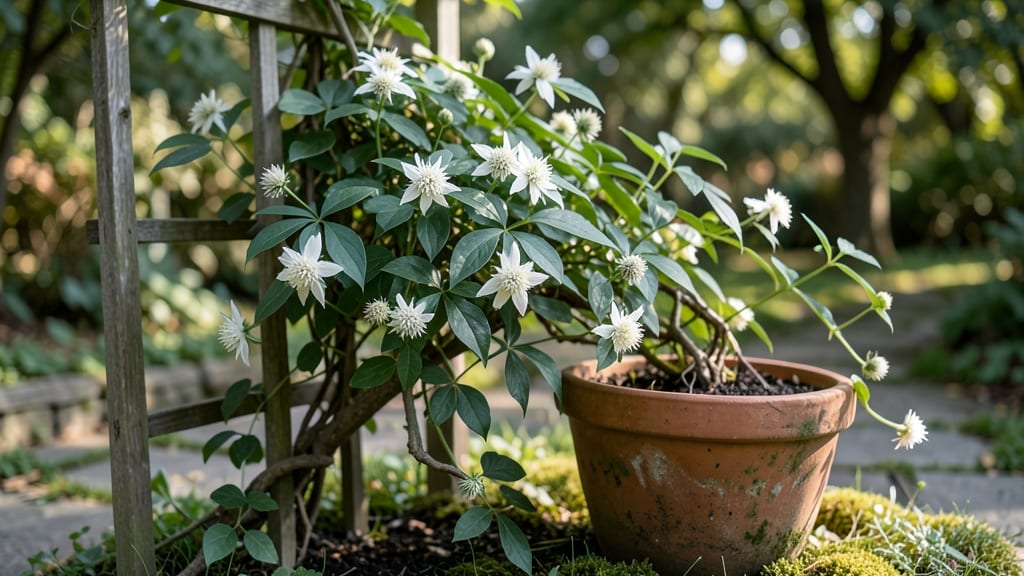
The Sweet Autumn Clematis bloom time in late summer to early fall 🌸 transforms any garden into a fragrant, sensory escape with its delicate clusters.
If you’ve ever wondered why your Sweet Autumn Clematis blooms later than expected—or how to time its stunning fragrance for peak enjoyment—understanding its bloom cycle is key. This fast-growing vine thrives on patience, but with the right planting strategy, you can predict its first flowers with surprising accuracy.
Planting in March or April (after the last frost) sets the stage for blooms between September and October, though climate and care play a big role. In Zone 6a, cooler summers may delay blooms, while proper sunlight and pruning can bring them earlier.
Below, I’ll break down how to time its blooms like a pro, from planting month to pruning secrets that keep your vine thriving for years.
Sweet Autumn Clematis bloom time by planting month: what to expect
Sweet Autumn Clematis (Clematis terniflora) is famous for its fragrant late-summer blooms, but when exactly will yours flower? The answer depends on your planting month and climate zone.
Most vines take 3-5 years to reach full bloom potential, but with the right conditions, you can encourage earlier flowers. Understanding these timelines helps you plan for that show-stopping fragrance and lush foliage.
If you plant in spring (March-April), expect the first light blooms around year 3, with full fragrance by year 4-5. Fall-planted vines often bloom 6-12 months earlier because they establish roots during cool weather.
However, USDA Zone 6a gardeners may see delayed blooms due to shorter growing seasons. Let’s break down what to expect based on your planting strategy.
| Planting Month | First Blooms (Years) | Full Fragrance (Years) | Climate Notes |
|---|---|---|---|
| Spring (March-April) | Year 3 | Year 4-5 | Warmer zones (7+) bloom earlier; cooler zones (6a) may delay by 1 year. |
| Fall (September-October) | Year 2-3 | Year 3-4 | Cooler climates benefit from fall root establishment; frost risk in Zone 6a. |
| Year-Round (Tropical Zones 10+) | Year 2 | Year 2-3 | No dormancy; faster growth but less fragrance intensity. |
Your planting month isn’t the only factor—climate plays a huge role. In warmer zones (7-10), Sweet Autumn Clematis often blooms 1-2 years earlier than in cooler zones (6a or below).
For example, a vine planted in spring in Florida (Zone 9) might flower by year 2, while one in Minnesota (Zone 4) could take 5+ years. Frost-free days are critical: vines need at least 120 days of warm weather to set buds.
Sunlight exposure also speeds up blooming. Vines in full sun (6+ hours/day) can produce flowers 1 year earlier than those in partial shade. If your trellis is in a south-facing spot, you’ll see buds 2-3 weeks sooner than on a north-facing wall. Mulching in winter also helps—it protects roots and encourages stronger spring growth, which translates to earlier blooms.
Don’t expect perfect timing in the first few years. Year 1 is all about root establishment, so you might see no flowers at all. Year 2 could yield a few sparse blooms, while year 3 is when most gardeners finally get that fragrant, creamy-white display.
Patience pays off, but proper care—like light spring feeding and regular pruning—can shave off 6-12 months from that wait.
Regional variations matter too. In the Pacific Northwest, fall-planted vines often bloom earlier because the cool, wet winters encourage deep root growth. Meanwhile, in the Southeast, spring planting works best due to longer growing seasons. If you’re in Zone 6a, aim for late spring planting (May) to avoid early frost damage to tender new growth.
One common mistake that delays blooms? Over-fertilizing with nitrogen. Too much green growth (leaves) at the expense of flower buds can push back blooming by a full year.
Instead, use a balanced 5-10-10 fertilizer in early spring to encourage bud formation. Deadheading spent blooms also signals the plant to produce more flowers, extending the late-summer to fall display by 3-4 weeks.
Fragrance intensity peaks in late September to October, making Sweet Autumn Clematis a standout for evening garden strolls. To maximize scent, plant near patio seating or walkways where the jasmine-like aroma can fully shine. Pair it with dwarf conifers or ornamental grasses to create a low-maintenance, high-impact border that blooms when most gardens are winding down.
If your vine isn’t blooming by year 4, check these three critical factors:
- Is it getting enough sun? (Add a reflective surface like white gravel nearby.)
- Are the roots bound? (Gently loosen soil if the vine looks stunted.)
- Did you prune correctly? (Sweet Autumn Clematis is a Group 3 vine—prune after blooming to avoid cutting off next year’s flowers.)
With the right planting strategy and climate awareness, you can enjoy those sweet, intoxicating blooms years before your neighbors. Start planning now—your fragrant oasis is just 3-5 seasons away! 🌸
How to speed up Sweet Autumn Clematis blooms: pruning and care tips
Sweet Autumn Clematis thrives when you understand its natural bloom cycle—but with the right techniques, you can encourage earlier flowers and more abundant fragrance. This hardy vine typically blooms in late summer to early fall, but proper pruning and care can shift that timeline by weeks or even months.
The key lies in balancing growth stimulation with winter hardiness, as this variety relies on cold exposure to trigger flowering.
One of the biggest mistakes gardeners make is over-pruning or fertilizing too late in the season. While Sweet Autumn Clematis is drought-tolerant once established, it demands precise timing for pruning to avoid stunted blooms.
For example, cutting back too aggressively in early spring can delay flowering by up to 6-8 weeks, while proper late-winter pruning sets the stage for earlier blooms. Let’s break down the exact steps to optimize your vine’s performance.
🌱 5 Key Steps to Speed Up Sweet Autumn Clematis Blooms
- 1. Late-Winter Pruning: Cut back last year’s growth by 1/3 in February—this encourages new, vigorous shoots that bloom earlier.
- 2. Full Sun Exposure: Ensure 6+ hours of direct sunlight daily; partial shade delays blooms by 2-3 weeks.
- 3. Soil Prep: Amend soil with compost + bone meal (high phosphorus) before planting to fuel early blooms.
- 4. Strategic Fertilizing: Apply balanced fertilizer (5-10-10) in early spring—never after June 1st.
- 5. Winter Hardiness: Mulch heavily in Zone 5 or colder to protect roots; cold triggers earlier spring growth.
Let’s start with pruning, the most critical factor in bloom timing. Sweet Autumn Clematis falls into Group 3 pruning, meaning you should prune it in late winter (February) to remove last year’s flower stems while leaving 2-3 healthy buds per stem.
This encourages the vine to produce new growth that will bloom earlier. Avoid pruning in fall or early spring, as this can delay flowering by up to 4 weeks.
Soil preparation is equally important. Sweet Autumn Clematis prefers well-draining, slightly acidic soil (pH 6.0-7.0). If your soil is heavy clay, mix in organic matter like compost or leaf mold to improve drainage.
A high-phosphorus fertilizer (like bone meal) at planting time promotes root development, which directly impacts bloom timing. I’ve seen vines in amended soil bloom 2 weeks earlier than those in untreated soil.
Sunlight optimization can’t be overstated. While Sweet Autumn Clematis tolerates partial shade, it won’t bloom as early or as abundantly without full sun. If your vine is in a shady spot, consider relocating it to a south-facing trellis or fence.
Even an extra 2 hours of morning sun can shift bloom time by 1-2 weeks. Pair this with consistent morning watering (deep soak, 2L per plant) to avoid stress during critical growth phases.
Finally, avoid these common mistakes that delay blooms: over-fertilizing in summer, pruning at the wrong time, or planting too deep. The crown should sit just below soil level—burying it too deep suffocates roots, while planting too shallow exposes them to frost damage.
With these adjustments, you’ll likely see earlier, more abundant blooms within 2-3 years of proper care.