
Blooming
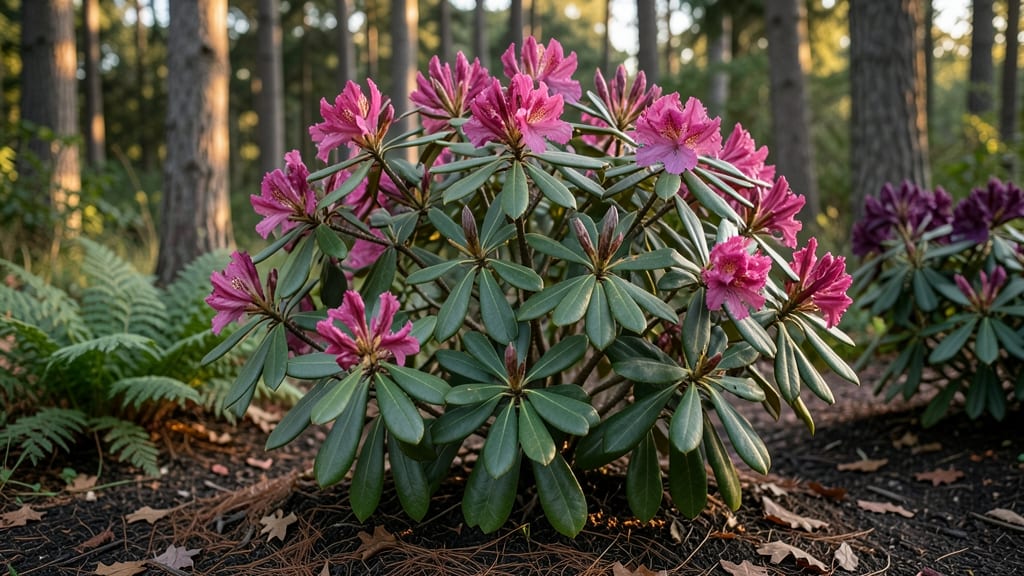
Rhododendrons in North Carolina bloom between late March and early June, turning gardens into a 🌸-filled masterpiece—but the exact timing depends on where you live and which variety you grow.
Picture this: one week, your neighbors’ shrubs are bursting with color, while yours hasn’t even budded. That’s North Carolina’s rhododendron bloom in action, shifting from the coast to the mountains like a seasonal wave.
Coastal gardens often see the first blooms as early as late March, while mountain rhododendrons may not peak until late May or June. Even within the same yard, a PJM variety might bloom weeks before a Nova Zembla—and frost dates can push things earlier or later.
Below, I’ll break down the bloom windows by elevation, share the top 5 varieties and their exact schedules, and show you how to time your garden visits (or pruning) for the best show.
North Carolina rhododendron bloom times by elevation: coastal vs mountain timing
North Carolina’s rhododendrons burst into color at different times depending on elevation, creating a staggered spring show from the coast to the mountains. In the coastal plain, mild winters often trigger blooms as early as late March, while mountain regions may wait until mid-May for peak color.
Understanding these patterns helps you plan garden visits or pruning for optimal results.
The Piedmont region acts as a transition zone, with blooms typically appearing in early to mid-April. This variation isn’t just about elevation—it’s also influenced by microclimates, soil acidity, and specific rhododendron varieties.
For example, coastal gardens might see 'Nova Zembla' blooming in early April, while mountain gardens could wait until late May for the same variety.
Here’s how elevation impacts bloom timing across North Carolina’s three main zones:
| Elevation Zone | Average Bloom Start | Peak Bloom | Example Varieties | Key Factors |
|---|---|---|---|---|
| Coastal Plain (0-500 ft) | Late March - Early April | Mid-April | 'Catawba', 'Elizabeth', 'Roseum Elegans' | Mild winters, early frost-free dates |
| Piedmont (500-2,000 ft) | Early April - Mid-April | Late April | 'PJM', 'Nova Zembla', 'Boursault' | Moderate winters, varied microclimates |
| Mountains (2,000+ ft) | Mid-April - Late May | Late May | 'Catawba', 'PJM', 'Roseum Elegans' | Cooler temps, later frost dates |
In coastal North Carolina, where winters are milder, rhododendrons often bloom 2-3 weeks earlier than in the mountains. For example, 'Catawba' might start showing buds in late March near Wilmington but wait until mid-April in the Asheville area.
This delay is due to cooler mountain nights and later frost dates, which can damage early blooms.
If you’re planning a rhododendron garden tour, timing is everything. Visit coastal gardens in early April for the first flush of color, then head to the Piedmont in late April, and finally to the mountains in late May for the grand finale.
Each zone offers unique varieties that thrive in its specific conditions.
For gardeners in transition zones, like the Piedmont, layering varieties with different bloom times can create a continuous display. Plant 'Elizabeth' (early bloomer) alongside 'PJM' (mid-season) to extend your rhododendron season by several weeks. This strategy works especially well in USDA Zones 7-8, where temperatures fluctuate.
One common mistake is assuming all rhododendrons bloom at the same time. In reality, late-frost events can devastate early bloomers like 'Roseum Elegans' in the mountains. To protect your plants, choose later-blooming varieties for higher elevations or use frost cloth during critical bloom periods.
Soil acidity also plays a role in bloom timing. Rhododendrons prefer acidic soil (pH 4.5-6.0), and well-amended soil can encourage earlier blooming.
If your garden soil is alkaline, consider planting in acid-loving beds or using peat moss and pine bark to lower the pH. This adjustment can help varieties like 'Nova Zembla' bloom more reliably.
Whether you’re a landscaper, home gardener, or simply a nature lover, understanding these elevation-based patterns ensures you’ll always catch rhododendrons at their peak beauty. Mark your calendar for the three-week window between coastal and mountain blooms—it’s a North Carolina spring tradition you won’t want to miss! 🌿
Top 5 rhododendron varieties in NC and their exact bloom periods
North Carolina’s rhododendrons burst into color at different times, depending on the variety and your elevation zone. Some bloom early, while others wait until late spring—knowing these exact bloom periods helps you plan your garden visits or pruning schedule perfectly.
Let’s dive into the top 5 varieties that thrive in NC and when they’ll steal the show.
Each variety has its own frost sensitivity and microclimate preferences, which can shift bloom times by weeks. For example, mountain varieties often bloom later due to cooler temperatures, while coastal plants may start earlier. Understanding these differences ensures you’re ready to admire their vibrant blooms at their peak.
| Variety | Typical Bloom Period (NC) | Frost Sensitivity | Height at Maturity |
|---|---|---|---|
| 'Catawba' | Late April to early May | Moderate (avoid late frosts) | 4-6 ft |
| 'PJM' | Mid-May to early June | High (needs protection) | 3-5 ft |
| 'Elizabeth' | Early to mid-April | Low (early bloomer) | 6-8 ft |
| 'Nova Zembla' | Late May to June | Moderate (tolerates cooler temps) | 3-5 ft |
| 'Roseum Elegans' | Mid-April to early May | Low (hardy to light frosts) | 4-6 ft |
'Catawba' is one of the earliest bloomers in NC, gracing gardens with its deep pink flowers in late April. This variety thrives in partial shade and is perfect for coastal gardens where temperatures warm up faster.
Its moderate frost sensitivity means you’ll want to monitor late spring frosts if you’re in higher elevations.
'PJM' is a late-season star, often blooming in mid-May when other varieties have faded. Its lavender-pink flowers are a favorite for mountain gardens and are highly fragrant. However, its high frost sensitivity means it’s best planted in sheltered spots or microclimates where late frosts are rare.
'Elizabeth' is a true early bloomer, often starting in early April and lasting through mid-April. This variety is ideal for lowland gardens and can handle cooler temperatures better than most. Its low frost sensitivity makes it a reliable choice for gardeners eager to kick off spring with color.
'Nova Zembla' is a late bloomer that shines in late May to June, extending your rhododendron season. Its white to pale pink flowers are stunning against dark foliage. This variety is moderately frost-sensitive but thrives in cooler mountain climates, where it can bloom even later.
'Roseum Elegans' is a mid-season bloomer with pale pink to white flowers that appear in mid-April. It’s a low-maintenance choice with low frost sensitivity, making it perfect for beginner gardeners or those in higher elevations where late frosts are a concern.
Knowing these exact bloom periods helps you plan your garden visits or even pruning schedule. For example, prune after blooming to avoid cutting off next year’s flowers. Happy gardening! 🌸