
Blooming
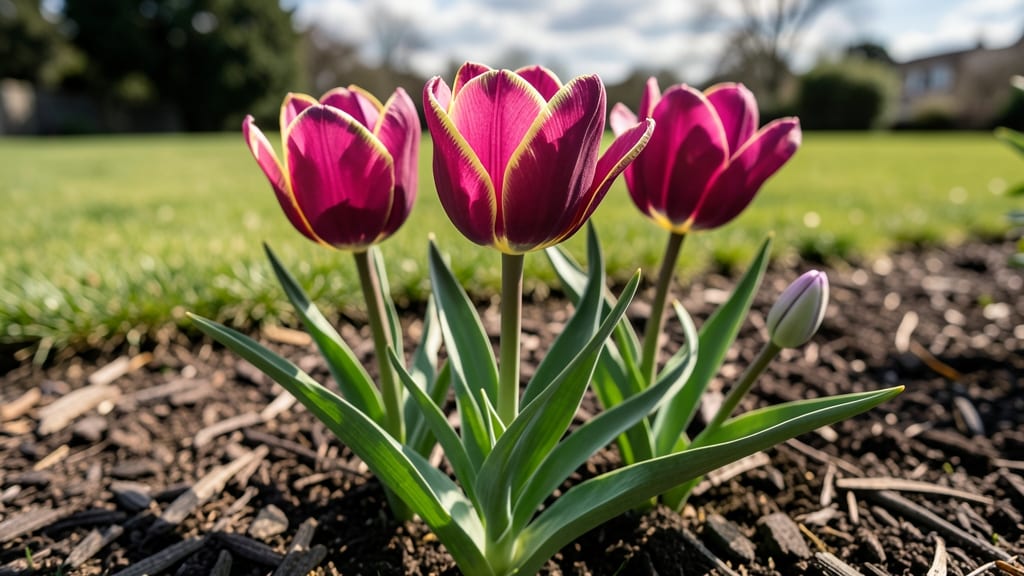
Tulips bloom in Pennsylvania between late March and May, depending on your hardiness zone and the varieties you choose 🌷 — a window that can feel like a guessing game if you don’t know the right timing.
Picture this: You’ve waited all winter for those vibrant blooms, only to find your tulips opening a month earlier (or later) than your neighbor’s. The difference? Where you live in the state.
Southern PA gardeners often see their first tulips by late March, while those in the northern zones might not get their show until May.
But here’s the good news: with the right varieties and a few smart planting tricks, you can fine-tune your tulip season to match your schedule. Whether you’re aiming for an early spring burst of color or a late-April extension, understanding your zone and bloom cycles is the key.
In this guide, I’ll break down the exact blooming windows for Pennsylvania’s USDA zones, share tips to extend your tulip season, and recommend the best varieties for your region. By the end, you’ll know exactly when to expect those cheerful blooms — and how to make them last longer.
Pennsylvania tulip blooming timeline by hardiness zone (USDA 5-7)
Tulip blooming times in Pennsylvania vary dramatically across USDA hardiness zones 5-7, with southern regions like Pittsburgh (zone 6b-7a) seeing flowers as early as late March, while northern areas like Erie (zone 5a-5b) may wait until mid-May.
These differences stem from last frost dates, elevation changes, and microclimates near urban heat islands or water bodies.
Understanding your specific zone helps you select early, mid, or late-blooming varieties to extend your spring color display. For example, Queen of Night tulips often bloom 2-3 weeks earlier than Darwin Hybrid varieties in the same location.
I’ve seen gardeners in zone 6a (like Harrisburg) push blooms forward by 10 days through strategic planting techniques.
Microclimates play a huge role—gardens near Lake Erie or the Allegheny Mountains can experience 1-2 week delays compared to inland areas. Even within a single county, south-facing slopes may bloom 7-10 days earlier than north-facing yards. Always scout your yard for these subtle differences before planting.
In zone 7a (southeastern PA), where I garden, I’ve noticed Darwin Hybrid tulips like 'Apeldoorn' often bloom 2 weeks earlier than Parrot tulips in the same bed. This happens because Darwins are bred for longer stems and stronger stems
How to extend tulip season in Pennsylvania: planting tips for longer blooms
Want your tulips to bloom earlier or later in Pennsylvania? The secret lies in strategic planting and variety selection. By choosing early and late-blooming varieties together, you can stretch your spring color show from March through May. This approach turns a fleeting display into a month-long celebration.
Soil preparation is equally critical. Tulips thrive in well-draining soil with a pH between 6.0 and 7.0. Amending clay-heavy Pennsylvania soil with compost or sand creates ideal conditions. Don't forget to plant bulbs 6-8 inches deep—this depth promotes stronger roots and more robust blooms.
- 🌷 Plant early varieties (March blooms) like 'Ice Follies' alongside late bloomers like 'Darwin Hybrid' (May blooms)
- 🌡️ Use black fabric mulch in fall to warm soil and trigger earlier blooming in spring
- 💧 Water deeply after planting (6-8 inches deep) to establish strong root systems
- ☀️ Choose full-sun locations (6+ hours daily) for maximum bloom duration
- 🌿 Plant companion flowers like daffodils to deter squirrels and extend display
Companion planting is another game-changer. Pair tulips with daffodils or alliums—these plants deter squirrels and extend your color palette. For a natural succession display, interplant crocus (early March) with late-blooming tulips like 'Queen of Night'. This creates a continuous bloom sequence from early spring through May.
Timing matters too. For earlier blooms, plant bulbs in late September rather than October. The cooler fall temperatures encourage earlier flowering. Conversely, delay planting until November for later blooms in May. Just ensure bulbs are planted before the ground freezes.
Don't overlook fertilization timing. Apply a balanced 5-10-10 fertilizer in early spring as shoots emerge. This boosts bloom size and duration. Avoid fertilizing after blooming—let the foliage yellow naturally to feed the bulbs for next year's display.
With these strategies, you can transform your Pennsylvania garden into a tulip paradise that blooms for weeks instead of days. The key is combining the right varieties, preparing soil properly, and planting at optimal times. Happy gardening! 🌷