
Blooming
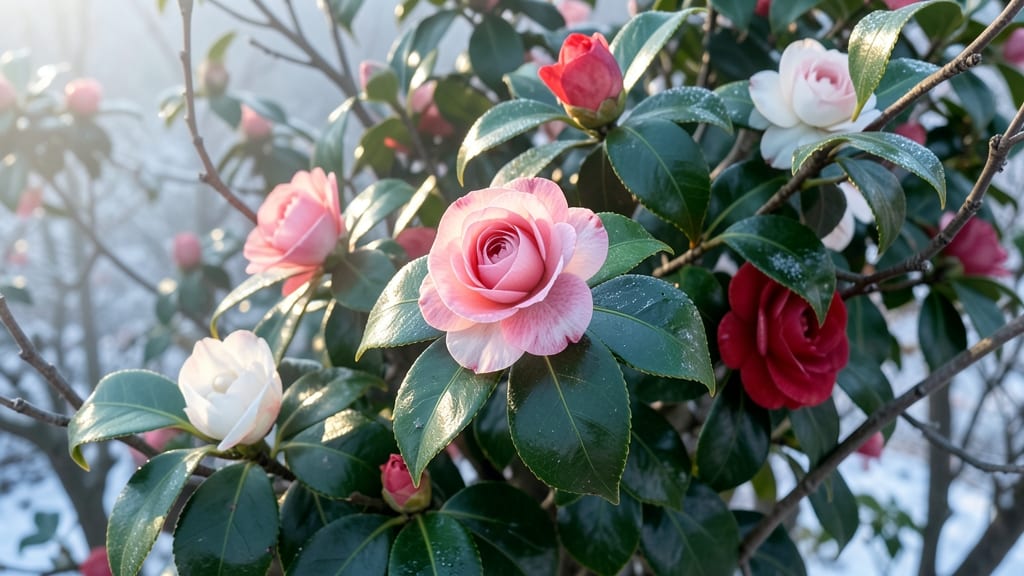
Extend your garden’s beauty beyond summer with these 10 hardy perennials that thrive in fall and winter. Their vibrant blooms and frost-resistant nature make them essential for year-round color and pollinator support.
Hellebore Winter Rose: Evergreen Blooms in Shade
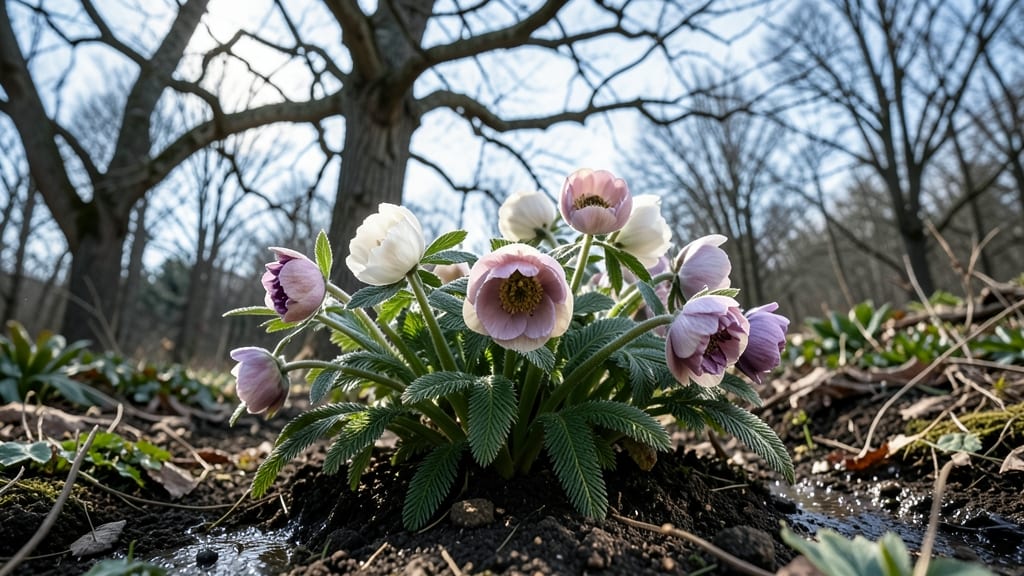
When your garden looks like a blank canvas in late winter, hellebores step in to paint it with delicate, frost-resistant blooms. These evergreen perennials thrive where most plants refuse to grow—under trees, along shady fences, or in woodland gardens—delivering soft pink, white, or purple flowers from January through April. Their secret? A hardiness that spans USDA Zones 4-9 and a love for deep shade where sunlight barely touches the soil.
Plant hellebores in well-draining soil with a sprinkle of compost, and water them occasionally—they despise soggy roots. Their glossy, lobed leaves stay lush year-round, while their nodding blooms attract early pollinators like bees and butterflies. For a natural look, let the spent flowers seed in place; they’ll self-sow gently without becoming invasive. This is the perfect plant for gardeners who want low-maintenance beauty in the darkest corners of their yard.
Hellebores are especially rewarding for shade gardeners and those with mature trees, as they fill gaps where little else survives. Their quiet elegance makes them a standout in winter containers too. 🌱
Russian Sage: Fragrant Purple Spikes for Late Seasons
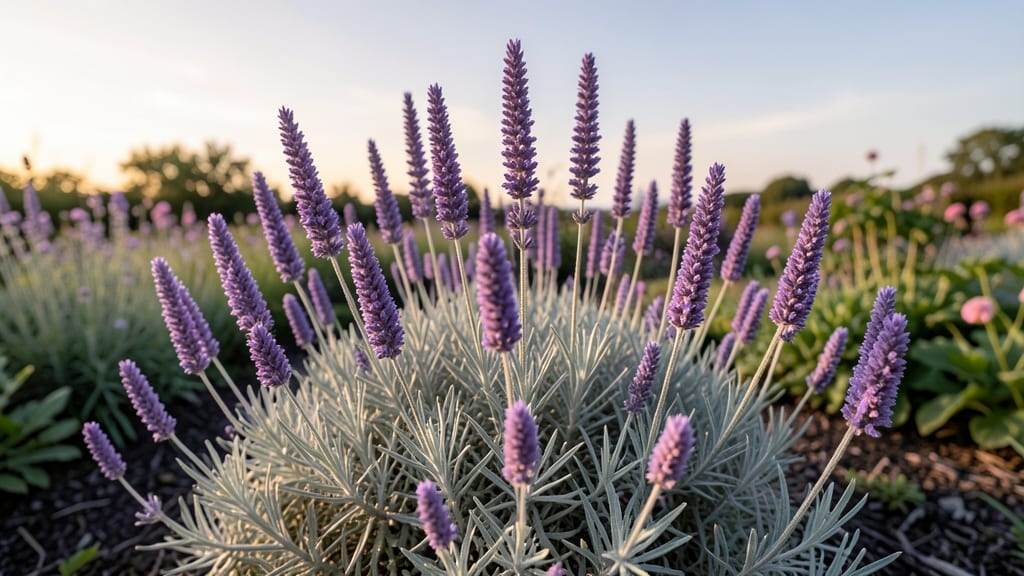
When your garden starts to look tired in late summer, Russian sage steps in with its striking lavender-purple flower spikes that keep blooming until frost. This hardy perennial thrives in full sun and even improves with age, making it a low-maintenance superstar for borders or pollinator gardens.
Its aromatic foliage and drought tolerance mean you’ll spend less time watering and more time enjoying its airy, silvery-green leaves. Plant it in well-drained soil and give it space—it can reach 4 to 5 feet tall—and watch bees and butterflies flock to its nectar-rich blooms. It’s perfect for dry climates and cold-hardy zones down to -30°F.
This is the ideal plant for gardeners who want late-season color without fuss. Whether you’re filling a sunny border or creating a pollinator haven, Russian sage delivers drama with minimal effort. 🌻
Winter Aconite: Bright Yellow Cheer in Early Winter
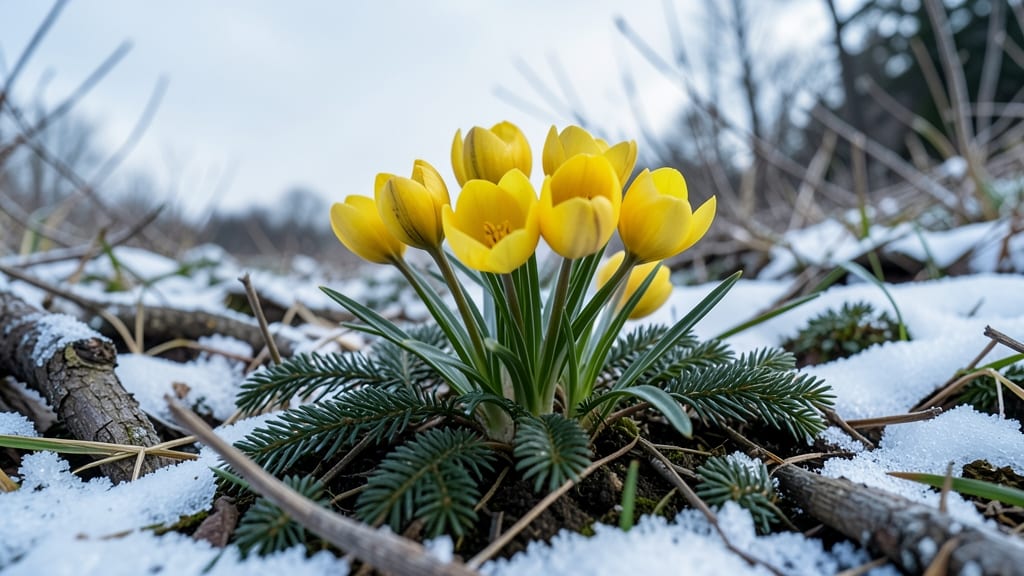
When your garden feels like it’s taking a winter nap, winter aconite arrives like a cheerful guest with its bright yellow blooms. This early riser emerges in late winter—often while snow still lingers—bringing sunshine to shaded spots where other plants refuse to play.
Thriving in partial to full shade, winter aconite is a low-maintenance star for rock gardens, woodland edges, or even understory planting. Its self-seeding habit means you’ll get more blooms each year with minimal effort. Just plant the corms in well-draining soil in early fall, and they’ll reward you with weeks of cheerful color when little else is blooming.
Perfect for gardeners who love whimsical charm and want to extend their season without fuss, winter aconite is a must for shaded areas. 🌟
Snowdrop Anemone: Delicate Blooms Under Snowfall
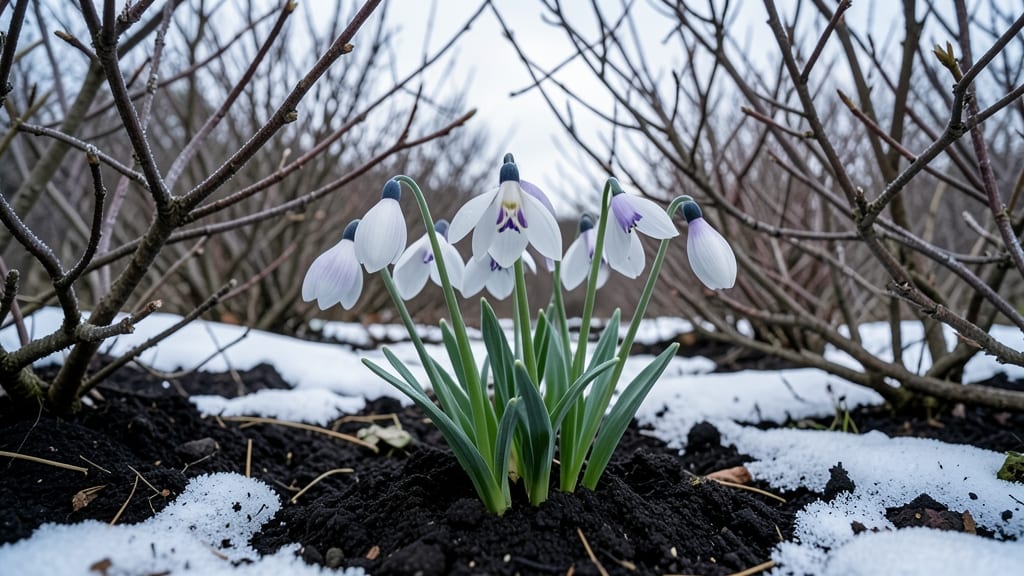
When winter’s grip feels unyielding, snowdrop anemone (Anemone symphytifolia) emerges as a resilient hero, blooming even when snow still blankets the ground. This early-season star thrives in USDA zones 3-8 and offers delicate white-and-purple flowers that contrast beautifully against bare branches or fresh spring foliage.
Plant bulbs in fall (4-6 inches deep) in well-draining soil with partial shade, mimicking woodland conditions. Its blooms appear in late winter to early spring, often before other perennials wake up, and their unique cup-shaped flowers attract early pollinators like bees and butterflies. Unlike many winter bloomers, snowdrop anemone tolerates light frost and even snowfall, making it a low-maintenance choice for cold climates.
Perfect for woodland gardens, rockeries, or understory plantings, this perennial adds a touch of magic to early-season landscapes while requiring minimal care. 🌷
Coral Bells: Fiery Foliage and Late-Season Flowers
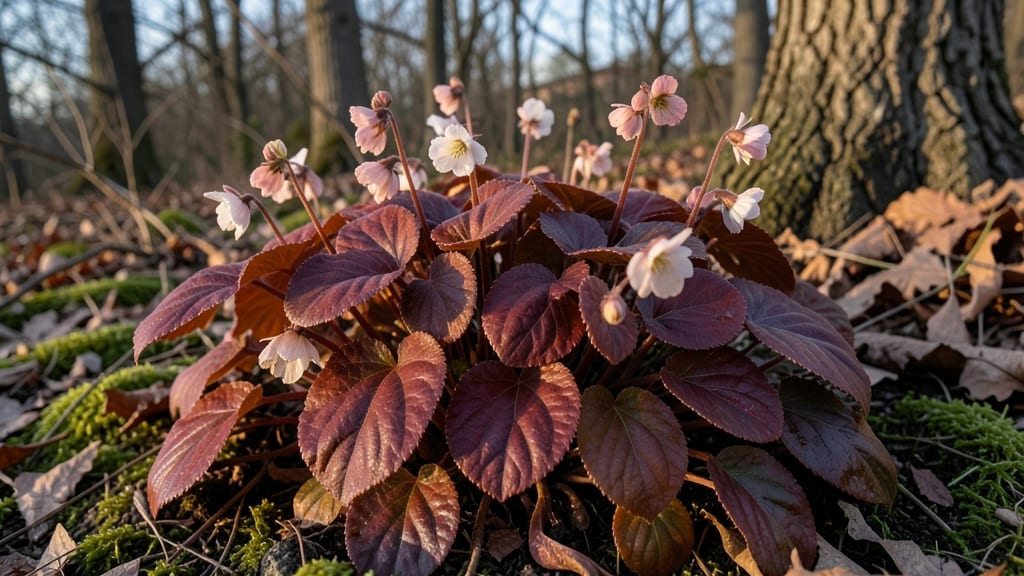
When your garden feels dull in winter, coral bells (Heuchera) bring bold color to shaded spots with their fiery foliage in deep red, orange, or purple—often lasting year-round. These perennials also reward you with delicate late-season pink or white flowers that appear when many other plants have gone dormant.
Thriving in partial shade, coral bells are perfect for understory planting, containers, or borders where they contrast beautifully with evergreens. They’re low-maintenance but benefit from well-draining soil and occasional watering during dry spells. Varieties like 'Palace Purple' or 'Lime Rickey' offer stunning foliage that keeps gardens vibrant even in winter’s chill. 💚
Winter Jasmine: Golden Clusters for Sunny Walls
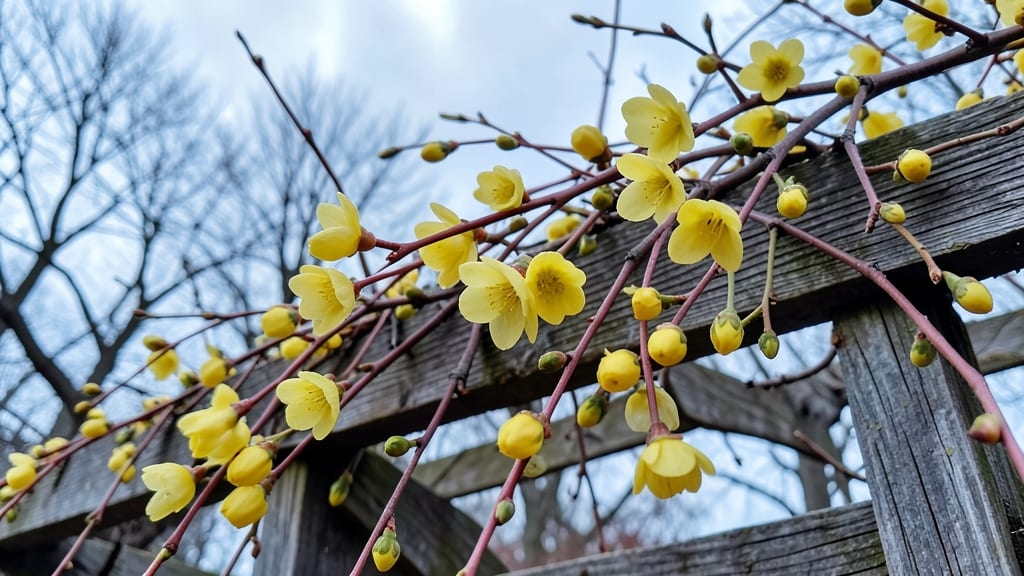
If your garden feels dull in late winter, winter jasmine (Jasminum nudiflorum) is your secret weapon. This climbing perennial bursts into cheerful bright yellow clusters from February through April, transforming bare walls or trellises into sunlit canvases when little else is blooming.
Plant it in full sun (at least 6 hours daily) against a fence, arbor, or wall—it thrives where most plants wilt. Prune back old stems in early spring to encourage fresh growth, and watch it climb 8-10 feet in a single season. Unlike true jasmine, it’s not fragrant, but its bold color more than makes up for it—ideal for urban gardens or small spaces.
Perfect for city dwellers with limited ground space or gardeners craving early-season color, winter jasmine delivers instant cheer with almost no effort. 🌟
Lenten Rose: Rosy Blooms in Gray Winter Days
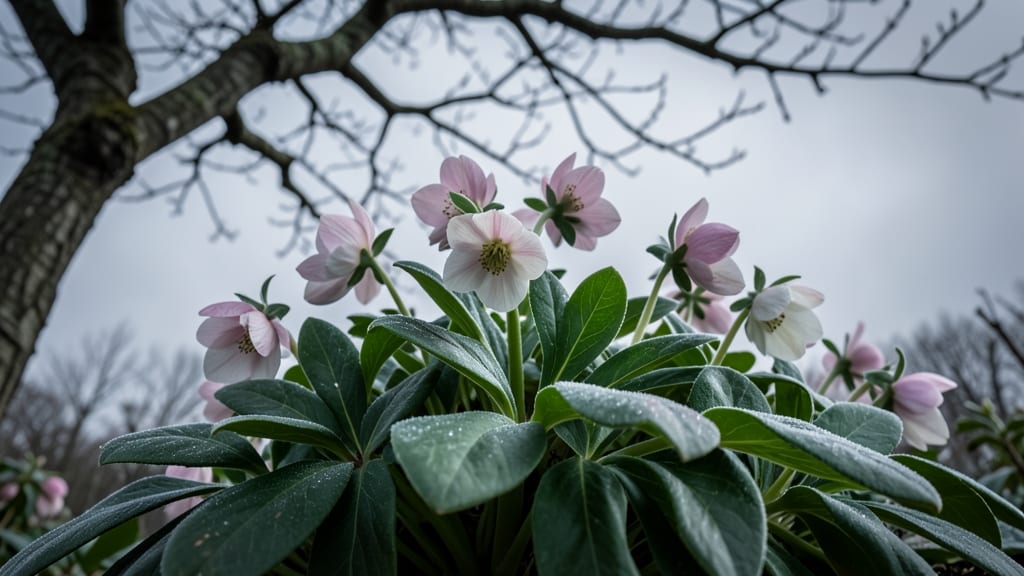
When winter’s gray skies feel like a blank canvas, the lenten rose (Helleborus lentenus) steps in with its soft pink and white blooms—proof that spring’s promise starts early. Unlike other winter bloomers, this evergreen perennial thrives in partial shade, making it perfect for under trees or along north-facing walls where frost lingers.
Hardy down to -20°F, its glossy leaves stay intact through snowfall, while its semi-double flowers emerge from late winter to early spring. A single plant can produce dozens of blooms, offering weeks of color when little else is in season. For best results, plant in well-draining soil and water sparingly—overwatering is its only weakness.
This gentle beauty is ideal for gardeners who crave low-maintenance elegance without sacrificing winter interest. Pair it with hellebores or snowdrops for a serene, long-blooming shade garden. 🌷
Ornamental Kale: Edible Foliage with Winter Color
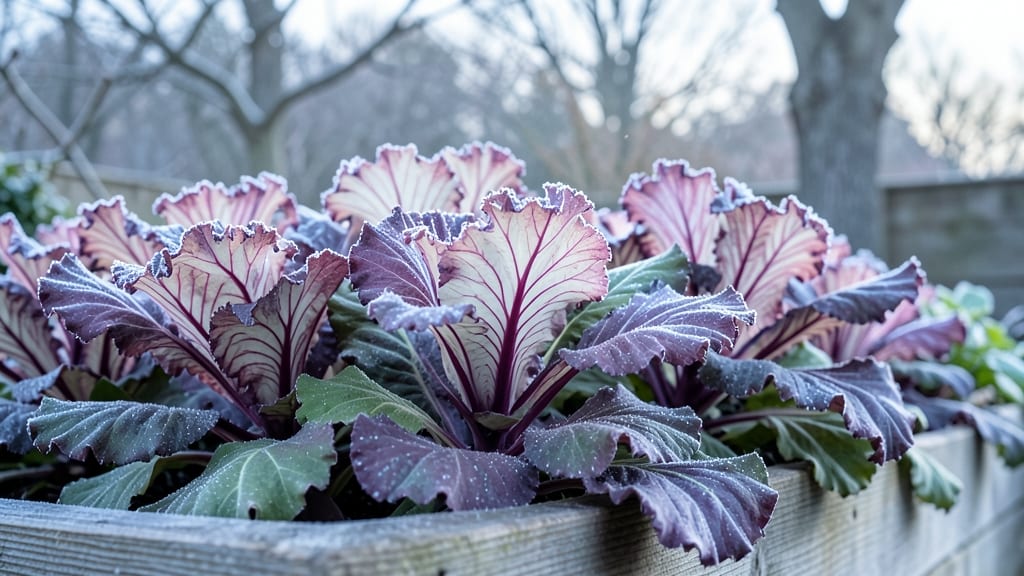
Skip the barren winter garden look—ornamental kale turns frost into fashion with its bold, edible foliage in shades of purple, white, and pink. Unlike most perennials, this cool-season powerhouse thrives when temperatures dip, making it a standout for containers, borders, or even salad bowls.
Plant seeds in late summer for fall-to-winter harvests, spacing them 12–18 inches apart in full sun to partial shade. Varieties like ‘Red Russian’ or ‘Dwarf Green Curled’ resist frost beautifully, and you can harvest leaves like spinach—just avoid bitter outer leaves. Mulch lightly to protect roots from extreme cold, and enjoy its textured, ruffled leaves long after other plants have faded.
Perfect for urban gardeners or beginners, ornamental kale requires minimal care but delivers year-round visual impact—plus, you can eat it! 🌱
Winter Honeysuckle: Fragrant Clusters in Cold Months
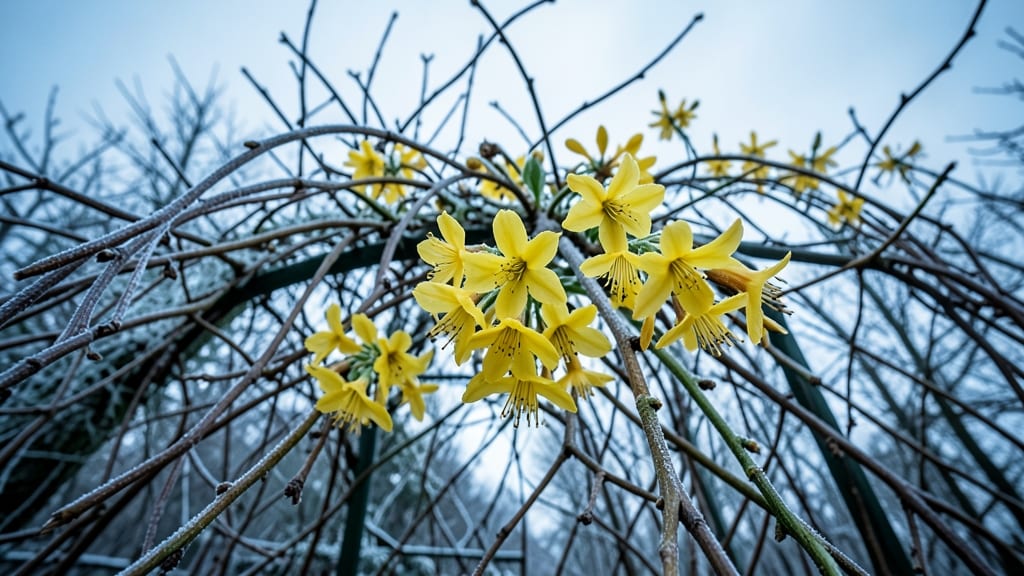
When your garden feels bare after frost, winter honeysuckle (Lonicera fragrantissima) bursts onto the scene with clusters of fragrant yellow blooms that signal spring’s arrival. Unlike its summer-blooming cousins, this deciduous climber thrives in cold snaps down to -25°F, making it a standout for early-season color and pollinator support.
Plant it against a sunny wall or trellis where its arching vines can climb 10–15 feet, filling the air with a sweet, honey-like scent that bees and early butterflies adore. Prune lightly after flowering to maintain shape, and watch it reward you with year-after-year blooms with minimal effort—ideal for gardeners who want low-maintenance beauty.
Perfect for small spaces or urban gardens, winter honeysuckle transforms dreary walls into fragrant canvases while supporting pollinators when food is scarce. 🌻
Christmas Camellia: Luxurious Blooms for Holiday Gardens

Transform your winter garden into a luxurious holiday display with the Christmas camellia, a true standout for late-season color. Unlike most perennials that fade with frost, this evergreen shrub bursts into showy pink, white, or red blooms from November through January—just when your garden needs a lift.
Thriving in partial to full shade, Christmas camellias are perfect for containers on patios or as a dramatic focal point under trees. Their glossy, dark green leaves provide year-round structure, while blooms last for weeks with minimal care. Feed monthly with acid fertilizer in spring and summer, and prune spent flowers in early spring to encourage new growth.
Urban gardeners and shade-lovers will adore this low-maintenance shrub—it’s the ultimate way to bring holiday elegance to your garden without summer’s heat demands. 🌷