
Blooming
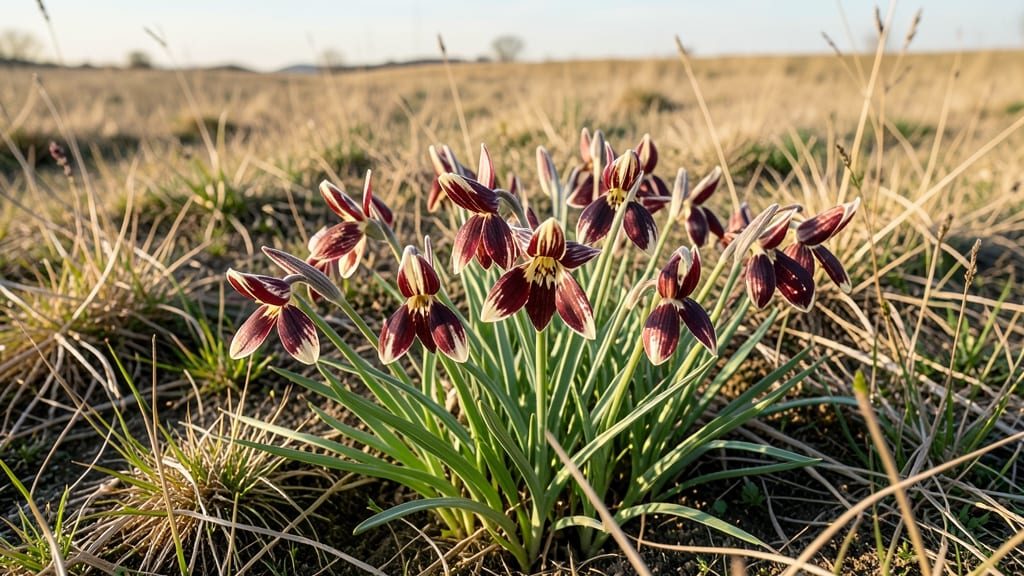
Brighten your garden before summer with these cold-hardy perennials that burst into bloom when temperatures rise. Early spring flowers attract pollinators, add vibrant color, and require minimal care once established.
Crocus Flowers: Harbingers of Spring
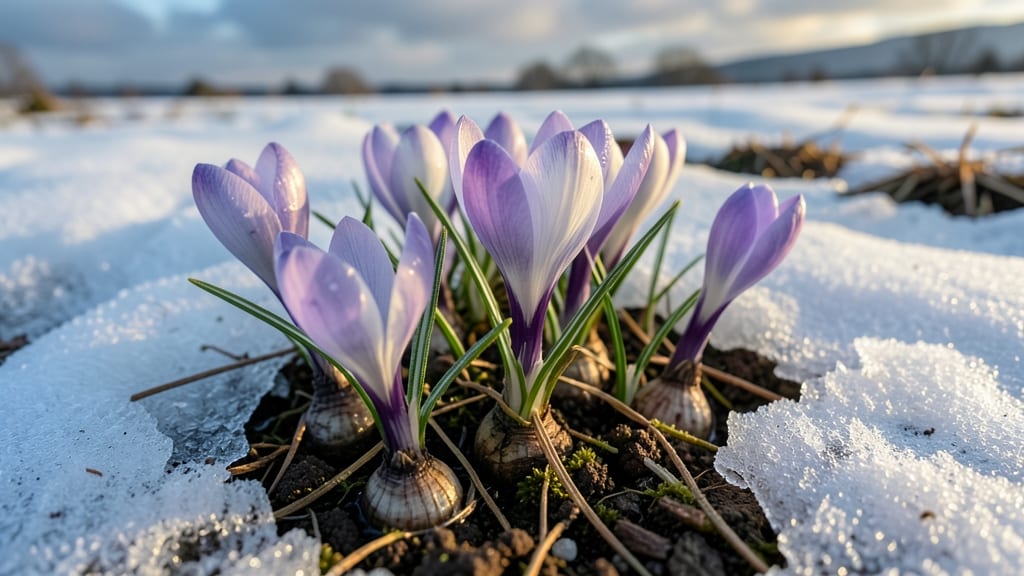
There’s something magical about spotting the first crocus blooms pushing through snow—it’s nature’s way of announcing spring’s arrival. These hardy perennials are the unsung heroes of early spring gardens, thriving in conditions where most plants would struggle.
Plant crocus bulbs in fall for a surprise burst of color by late winter or early spring. They flourish in full sun to partial shade and tolerate poor, rocky, or sandy soil—ideal for naturalizing in lawns or rock gardens. Water sparingly once established, as they’re drought-tolerant once roots form.
Gardeners with shady or neglected spots will love crocus—they bring life to areas where other plants fail. Plus, their cheerful blooms attract early pollinators like bees. 🌱
Bleeding Heart Plant: Delicate Pink Lace
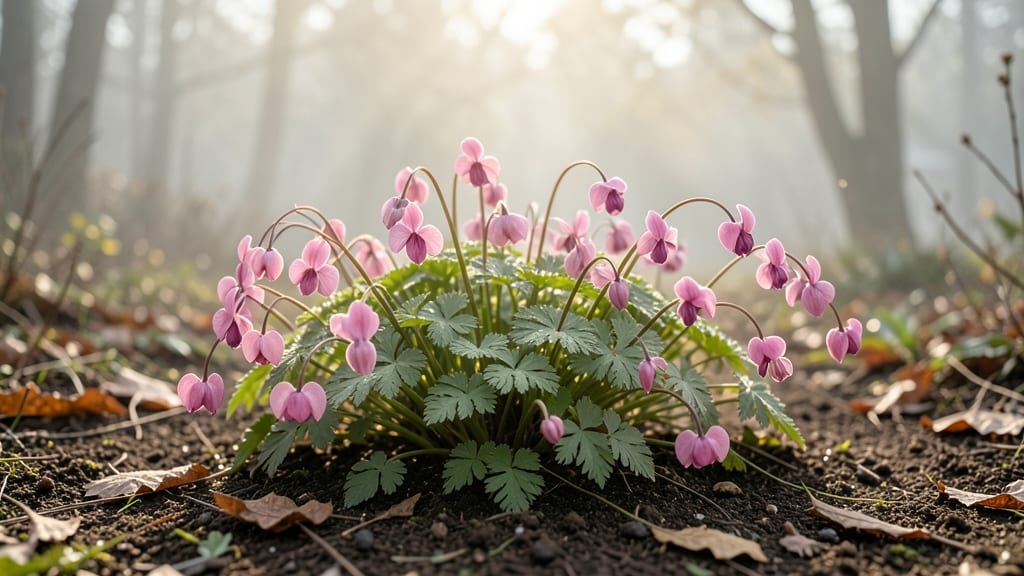
If your garden feels too quiet in early spring while others burst with color, bleeding heart (Dicentra spectabilis) arrives like a romantic whisper. Its cascading heart-shaped pink blooms emerge as early as late April in many regions, often weeks before other shade-loving perennials even peek through the soil.
This woodland native thrives in partial to full shade, tolerating even dry conditions once established—making it perfect for understory plantings where ferns and hostas struggle. Plant in well-draining, humus-rich soil (amend with compost if needed) and water consistently during its first growing season. The secret to long-term success? Prune back the foliage in late summer after blooming to maintain vigor.
Gardeners with shady borders** or woodland gardens will love how bleeding heart creates vertical drama without competing with sunlight-loving plants. Pair it with hepatica and lungwort for a layered spring woodland effect. 🌿
Hepatica Nobilis: Tiny Purple Jewels
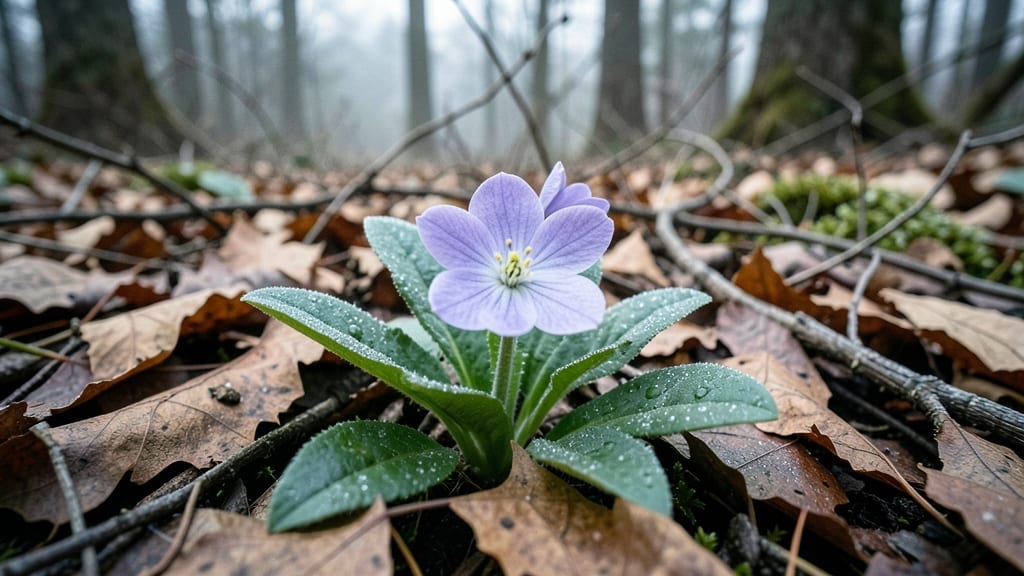
When your garden feels like a winter wasteland and most plants refuse to emerge, hepatica nobilis arrives like a tiny purple surprise. This woodland native pushes through leaf litter in late winter, offering delicate three-petaled blooms when few other flowers dare to bloom.
Unlike fussy spring perennials, hepatica thrives in dry shade—perfect for under trees where moisture evaporates quickly. Its deep roots access water deep in the soil, while its evergreen foliage provides year-round interest. Plant in well-draining, slightly acidic soil (pH 6.0-7.0) and avoid heavy mulch, which can suffocate its shallow roots.
This underrated gem is ideal for shady borders, woodland gardens, or naturalized areas where other spring flowers fail. Gardeners in USDA zones 3-8 will love its cold hardiness and ability to brighten forgotten corners. 💚
Daffodils: Classic Yellow Spring Stars
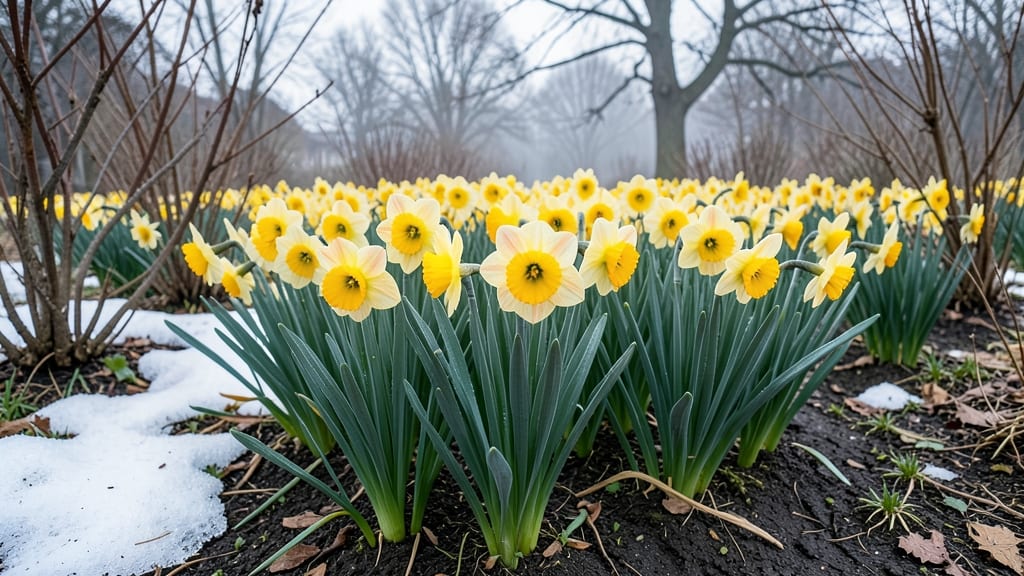
When you need a bold splash of color that laughs off late frosts and hungry deer, daffodils are your go-to spring superstars. These cheerful blooms emerge even when snow still lingers, turning chilly gardens into sunny canvases before many perennials even think about waking up.
Plant them in full sun to partial shade with well-draining soil, and they'll reward you with 3-4 weeks of vibrant blooms that come in classic yellow or unexpected shades of pink and white. The secret to their resilience? Their bulbs store energy underground, letting them push through cold soil. For indoor forcing, dig up bulbs in fall, chill them for 12-16 weeks, then pot them up—you'll have fragrant bouquets by Valentine's Day.
These bulbs are also deer-proof (deer avoid their bitter taste) and thrive when naturalized in meadows or along woodland edges. Perfect for beginner gardeners or busy pollinator enthusiasts, daffodils bring effortless beauty to any spring scene. 🌻
Lungwort Pulmonaria: Spotted Leaf Beauty
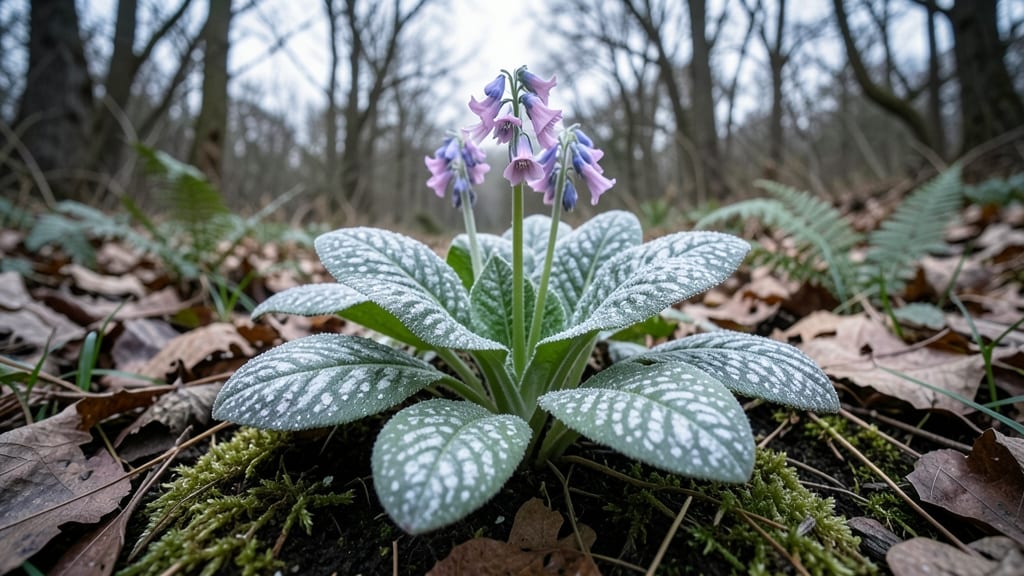
When most gardens are still dormant, lungwort (Pulmonaria) emerges with its striking silver-spotted foliage, offering early-season interest before its pink and blue flowers appear. This shade-loving perennial thrives where others struggle, making it a standout for woodland gardens and understory plantings.
The distinctive foliage emerges as early as February in mild climates, providing year-round visual appeal even after flowers fade. Plant in partial to full shade with moist, well-draining soil—ideal for areas under trees where few other perennials survive. Its low-growing habit makes it perfect for ground cover, suppressing weeds while adding texture to shady borders.
Gardeners with woodland gardens or limited sun will love lungwort's resilience and pollinator appeal. Pair it with hepatica or bleeding heart for a layered spring display that keeps interest from early foliage through late blooms. 🌿
Snowdrops: Ephemeral Winter Flowers
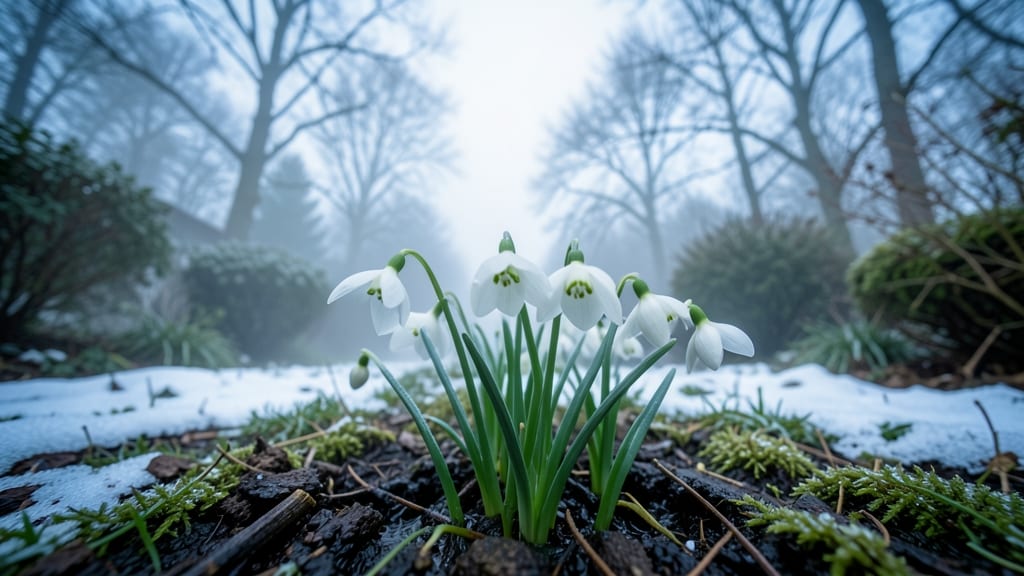
When you think of winter flowers, snowdrops (Galanthus) defy all expectations by blooming even when snow still blankets the ground. These delicate white bells are nature's way of announcing spring's arrival—often weeks before other perennials even think about waking up.
Perfect for woodland gardens, snowdrops thrive in dappled shade and moist, well-drained soil, making them ideal companions for hellebores and lungwort. Their ability to naturalize means they'll spread gently over time, creating a magical carpet of early blooms. Plant bulbs in fall for winter color, and enjoy their toxic-to-deer protection—unlike many spring flowers.
These resilient beauties bring hope to gardeners in USDA zones 3-8 and create a stunning focal point in shady borders. Once established, they'll return year after year with minimal care. 🌱
Columbine Aquilegia: Whimsical Spurred Blooms
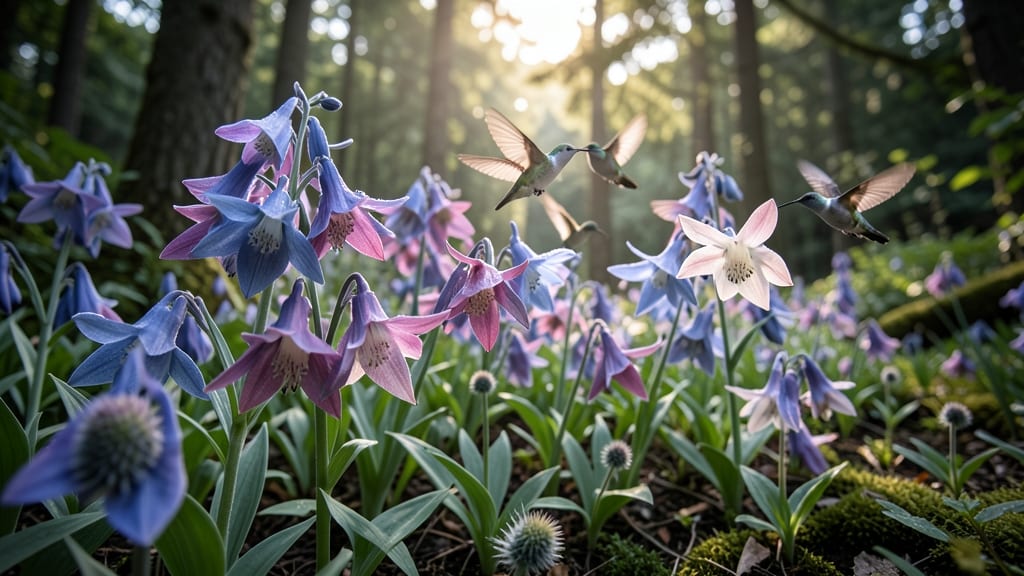
Watch hummingbirds dart between columbine blooms as they sip nectar from those signature spurred flowers—this is your garden’s early spring invitation to wildlife. Unlike most spring perennials, Aquilegia thrives in partial shade where few others dare to bloom, making it a standout for understory gardens.
Plant in well-draining soil with morning sun and afternoon shade, and expect blooms from late spring through summer. The real magic? Columbine self-seeds readily, creating natural drifts over time—just deadhead spent blooms if you prefer controlled growth. Its drought-tolerant once established, so it’s perfect for low-maintenance borders.
This is the ideal choice for gardeners who want colorful pollinator magnets without the fuss of full-sun plants. 🌻
Allium Globemaster: Giant Purple Ornaments
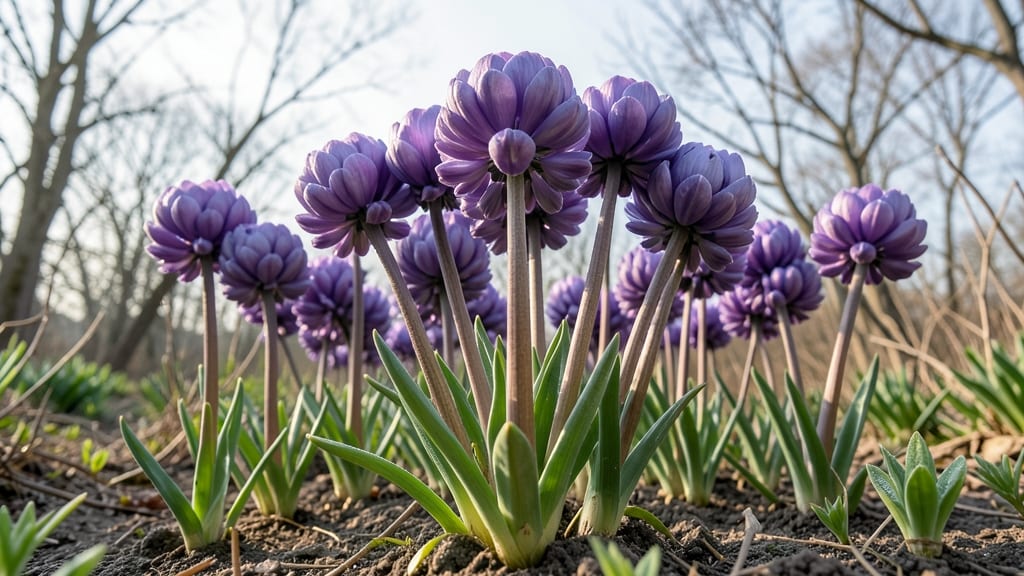
When your garden needs a dramatic focal point that screams "spring," Allium Globemaster delivers with its giant purple globes that resemble oversized crocuses on steroids. These architectural blooms stand 3-4 feet tall, providing instant vertical interest that most early spring perennials can't match.
Plant them in full sun to partial shade where they'll thrive in well-drained soil—even rocky or sandy conditions. The late spring blooming period (May-June) coincides perfectly with cutting gardens, as their long stems hold up beautifully in vases. Plus, bees and pollinators adore them, making these a must-have for eco-friendly landscapes.
Perfect for beginners and experienced gardeners alike, these low-maintenance perennials multiply over time while requiring minimal care. Add them to borders, meadows, or containers for instant drama that lasts weeks. 💚
Primrose Primula: Colorful Ground Cover
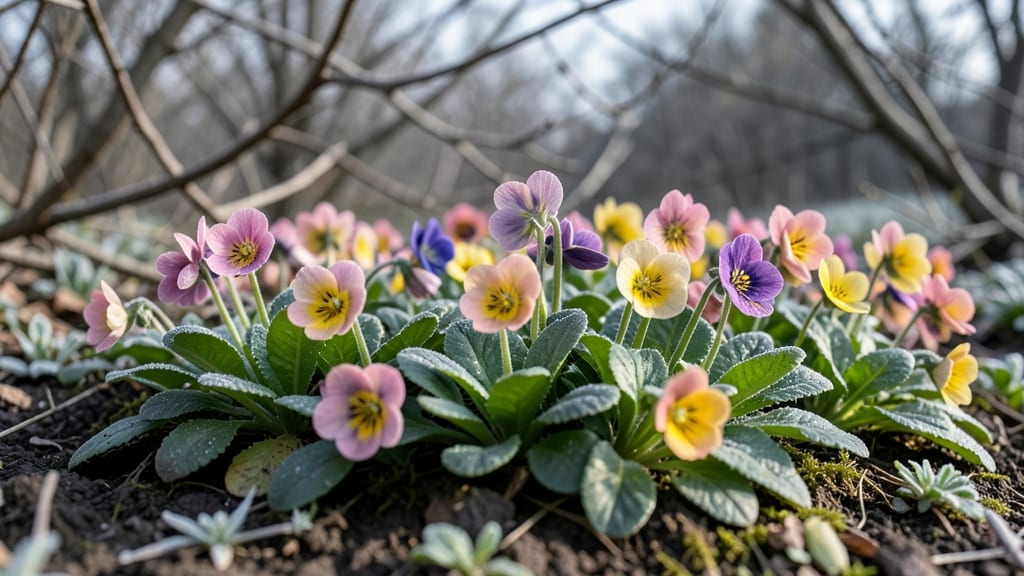
When your garden feels like a winter monochrome, primrose (Primula) bursts onto the scene with cheerful clusters of pink, purple, and yellow blooms—often before other perennials even think about waking up. These compact charmers thrive in the moist, shady spots most gardeners overlook, making them perfect for under trees or along north-facing walls where few other plants dare to grow.
Primroses prefer well-draining but consistently moist soil and partial to full shade, though some varieties tolerate morning sun. Their clusters of 5-20 flowers per stem create a lush carpet effect, ideal for filling gaps in rock gardens or softening the edges of cottage-style borders. Deadhead spent blooms to encourage a second flush, and divide clumps every 3-4 years to keep them vigorous—though they rarely need it.
This is the low-maintenance superstar for gardeners who love color but hate fuss. Whether you're filling a shady corner or creating a whimsical woodland edge, primroses deliver early-season pollinator support and year-round interest with their attractive foliage. 💚
Fritillary Fritillaria: Checkered Bell Flowers

If you're craving a sun-loving early spring flower that stands out from the crowd, fritillary (Fritillaria) delivers with its bold, checkered blooms. Unlike most spring perennials that prefer shade, this plant thrives in full sun—making it a standout choice for sunny meadows, prairie gardens, or open woodland edges where few other flowers compete.
The bell-shaped flowers come in striking patterns of purple, white, or yellow, often with intricate checks that resemble a chessboard. Plant bulbs in fall for spring blooms, and give them well-draining soil to prevent rot. Once established, they naturalize effortlessly, spreading to create a wildflower meadow effect that lasts for decades.
Perfect for gardeners who want drama in sunny spots, fritillaries also attract early pollinators like bees and butterflies. Their late spring to early summer bloom time fills the gap after early spring flowers fade. 🌟