
Shrubs
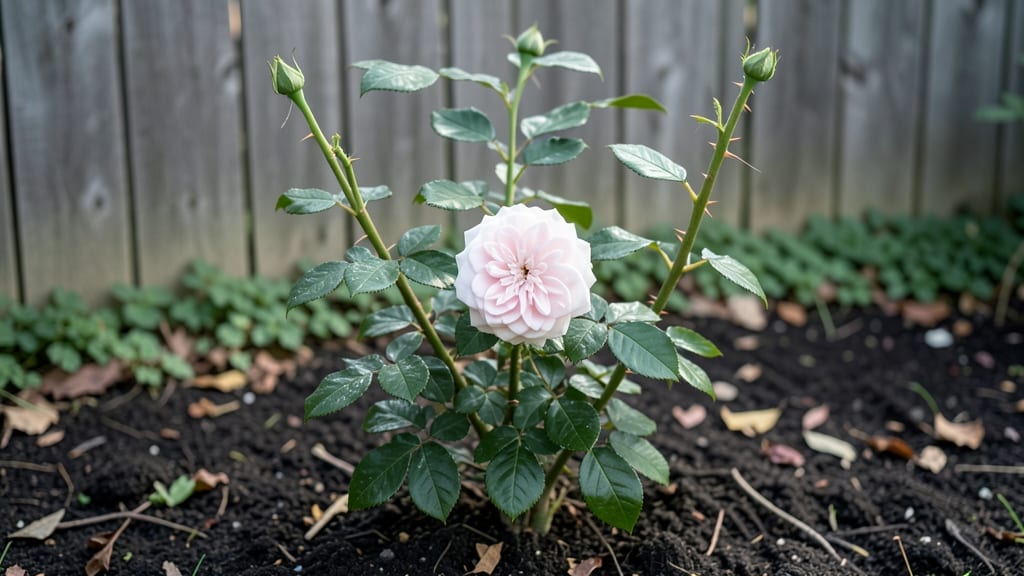
Growing Arctic Rose foxglove means tall, fragrant blooms that thrive where other plants fail. 🌿 This cold-hardy beauty reaches 5-6 feet with stunning pink flowers that hummingbirds adore—and it survives winters that would kill most perennials.
I planted mine last spring, and by midsummer, it became the star of my shaded border, outlasting even my most stubborn daylilies.
The secret to its success? Well-draining soil, consistent moisture, and a spot with partial shade (morning sun is ideal). Unlike fussy annuals, Arctic Rose foxglove is drought-tolerant once established, making it perfect for gardeners who forget to water.
Just avoid heavy clay—amend with compost if your soil packs like mud when wet.
By late spring, you’ll see those iconic spires of bell-shaped blooms rising above everything else. The fragrance? Lightly sweet, like honey on a breeze—enough to draw you into the garden just to breathe it in. And the best part? It self-seeds, so you’ll get free volunteers for years to come.
Perfect for cottage gardens, woodland edges, or even as a dramatic backdrop for shorter perennials. Here’s how to keep it looking its best all season long.
📚 In This Guide
- What you need
- Instructions
- Tips and common mistakes
- Wrapping up and next steps
What you need
- ● Arctic Rose Foxglove seeds or nursery-grown plants: Seeds: 10–20 seeds (for a small patch) or 50+ for a full border
- ● Nursery plants: 3–5 mature plants (for established growth)
- ● Well-draining potting mix or garden soil: 1 part peat moss or coconut coir
- ● 1 part perlite or coarse sand (for drainage)
- ● 1 part compost (for nutrients)
- ● Containers (if starting indoors): 4–6 inch pots (for seedlings) or 1-gallon containers (for transplants)
- ○ Slow-release fertilizer (optional but recommended): 5–10–10 or 10–10–10 blend (1 tbsp per plant at planting)
- ● Garden trowel or transplanting spade (for digging)
- ● Watering can or hose with a gentle spray nozzle
- ● Pruners or sharp scissors (for deadheading or shaping)
- ● Mulch (straw, shredded bark, or pine needles): 2–3 inches (for insulation in cold climates)
- ○ Cold frame or frost cloth (optional): For extending the growing season in Zone 3–5
- ● Sunlight access: Partial shade to full sun (6+ hours/day)
Step-by-step guide to growing Arctic Rose Foxglove
This hardy perennial thrives in cool climates and rewards patience with dramatic 5-6 foot spikes of fragrant blooms. Here’s how to cultivate it successfully.
🌱 Step 1: Select the Perfect Planting Site
Arctic Rose Foxglove demands partial shade—think dappled sunlight or 4-6 hours of morning sun—to prevent leaf scorch. I always test the spot by checking how much shade it gets midday; if the ground stays cooler than your hand, it’s ideal. The soil should drain well but retain moisture—amend heavy clay with 2-3 inches of compost to improve aeration.
This plant spreads slowly, so give it 2-3 feet of space in all directions. I mark the area with stakes before digging to avoid overcrowding later. Avoid low-lying spots where cold air pools, as even Arctic Rose Foxglove can struggle with prolonged frost.
💧 Step 2: Plant at the Right Time and Depth
Spring is the best time to plant, once soil temperatures reach 50°F—usually 2-3 weeks after your last frost date. Dig a hole twice as wide as the root ball but no deeper, as foxglove roots prefer to sit slightly higher than surrounding soil. Gently tease apart any circling roots before placing the plant in the hole.
Backfill with native soil mixed with 1 cup of bone meal for phosphorus, which encourages strong root development. Water deeply until moisture reaches 6 inches down, then mulch with 2 inches of shredded bark to retain moisture and suppress weeds. The mulch should never touch the stem—keep it 2 inches away to prevent rot.
☀️ Step 3: Water Consistently Without Overdoing It
Foxglove roots are drought-tolerant once established, but young plants need 1 inch of water weekly during the first growing season. I check moisture by inserting my finger 2 inches into the soil—if it feels dry, water thoroughly. Overwatering causes root rot, so always allow the top 1-2 inches of soil to dry between waterings.
During bloom time (late spring to early summer), increase water slightly to 1.5 inches weekly to support those heavy flower spikes. You’ll know it’s happy when the leaves stay deep green and slightly waxy, not yellow or limp. If you notice wilting, it’s usually a sign of underwatering, not overwatering.
✂️ Step 4: Deadhead and Prune for Next Year’s Blooms
After flowering, snip off spent blooms just above the next set of leaves to encourage a second, smaller flush of flowers. This also prevents the plant from seeding excessively, which can lead to weak, leggy growth. I use clean, sharp pruners to avoid damaging stems—dull blades crush tissue and invite disease.
In late fall, cut back the foliage by one-third to reduce winter dieback. Leave some leaves until late winter—they protect the crown from temperature swings. If your climate drops below 10°F, add a 2-inch layer of mulch over the crown for extra insulation. Never prune in early spring, as new growth emerges from last year’s stems.
🌿 Step 5: Divide and Propagate Every 3-4 Years
Foxglove forms dense clumps over time, so divide in early spring before new growth appears. Dig up the entire plant and separate the roots into 3-4 inch sections, ensuring each piece has 2-3 buds. Replant immediately in the same partial shade conditions, as foxglove dislikes being moved once established.
For propagation, collect seeds from mature seed pods in late summer. Scatter them on the soil surface—foxglove seeds need light to germinate—then lightly press them in. Keep the soil moist but not soggy; germination takes 2-3 weeks at 60-65°F. Seedlings are slow to mature, so be patient—it takes 2 years before they bloom.
Tips & tricks for perfect Arctic Rose Foxglove cultivation
These game-changing insights will help you coax those towering, fragrant spikes from your Arctic Rose Foxglove with confidence.
Site Selection Secret: Here's what nobody tells you about that "partial shade" requirement—morning sun is your golden ticket, but afternoon sun can scorch leaves like a hot iron. I've learned the hard way that even 2 hours of direct afternoon sun turns those gorgeous deep green leaves into sad, yellowed patches. Test your spot by placing a thermometer in the ground at midday; if it hits above 80°F, you're in the danger zone.
Planting Precision: The 2-3 weeks after your last frost date is your planting window, but don't guess about soil temperature. Use a soil thermometer to confirm that 50°F mark—cold soil shocks delicate roots. I've had plants take weeks to recover when planted too early. Pro tip: Mix that 1 cup of bone meal directly into the backfill soil rather than sprinkling it around the roots—this creates a phosphorus-rich zone exactly where new roots will form.
Watering Wisdom: That 1 inch weekly for young plants is non-negotiable, but timing matters just as much. Water in the early morning when evaporation is lowest—this gives roots time to absorb moisture before the heat of day. During bloom time, I increase to 1.5 inches weekly and always water at the base, avoiding the leaves to prevent fungal diseases. The waxy leaf texture is your best indicator of proper moisture balance.
Pruning Payoff: When you're deadheading those spent blooms just above the next set of leaves, think of it as redirecting the plant's energy. I've seen plants produce a second flush of flowers when I deadhead consistently, but if you skip this step, all that energy goes into seeding instead. For fall pruning, that one-third cutback might seem drastic, but it's what prevents those floppy stems from breaking under winter snow loads.
Pro Tips for Arctic Rose Foxglove
- These game-changing insights will help you coax those towering, fragrant spikes from your Arctic Rose Foxglove with confidence.
- Site Selection Secret: Here's what nobody tells you about that "partial shade" requirement—morning sun is your golden ticket, but afternoon sun can scorch leaves like a hot iron.
- Planting Precision: The 2-3 weeks after your last frost date is your planting window, but don't guess about soil temperature.
Frequently asked questions
Got questions about growing Arctic Rose foxglove (Digitalis purpurea 'Arctic Rose')?
You’re not alone! Here are answers to the most common queries to help you nurture this stunning, cold-hardy beauty with confidence.
Can Arctic Rose foxglove survive harsh winters?
Yes!
This variety thrives in USDA zones 3–8, making it one of the hardiest foxgloves. Its deep roots and fuzzy foliage insulate against frost, but a light mulch (like straw or shredded leaves) adds extra protection. Just avoid heavy, soggy mulch—it can rot roots. Pro tip: Plant in well-draining soil to prevent winter wetness.
How tall will Arctic Rose foxglove grow?
Expect 3–5 feet tall with a 1–2 foot spread, depending on soil and sunlight. For a tidier look, pinch back leggy stems in early summer to encourage bushier growth. Warning: All parts are toxic if ingested—keep it away from pets and kids!
When is the best time to plant Arctic Rose foxglove?
Plant in early spring or fall for best results. Spring gives roots time to establish before summer heat, while fall planting lets them settle before winter dormancy. Avoid transplanting in extreme heat or cold—roots need gentle conditions to recover. Pro tip: Water deeply after planting to reduce shock.
Why isn’t my foxglove blooming?
Common culprits include:
- Overcrowding: Deadhead spent blooms and thin out stems to redirect energy to flowers.
- Poor soil: Foxgloves love well-draining, slightly alkaline soil (pH 6.5–7.5). Amend with compost if needed.
- Too much fertilizer: Too many nutrients = lush leaves, fewer flowers. Use a low-phosphorus fertilizer or none at all.
What can I plant near Arctic Rose foxglove?
Pair it with complementary perennials like:
- Dwarf coneflowers (Echinacea) for height contrast.
- Russian sage (Perovskia) for drought tolerance and purple hues.
- Lavender (Lavandula) to attract pollinators and repel pests.
Wrapping up and next steps
Growing Arctic Rose Foxglove is a rewarding journey that brings beauty and resilience to your garden—even in chilly climates! 🌱 With its cold-hardy nature, striking blooms, and fragrant charm, this shrub is perfect for adding height and elegance to your outdoor space.
Whether you're a seasoned gardener or just starting, the key is patience, proper care, and a little love for nature’s tough yet graceful plants.
Ready to transform your garden? Start by gathering your supplies, choosing the right location, and following the steps we’ve shared. Before you know it, you’ll be admiring those stunning pink and white flowers that thrive where others falter. Happy planting! 🌸