
Plants
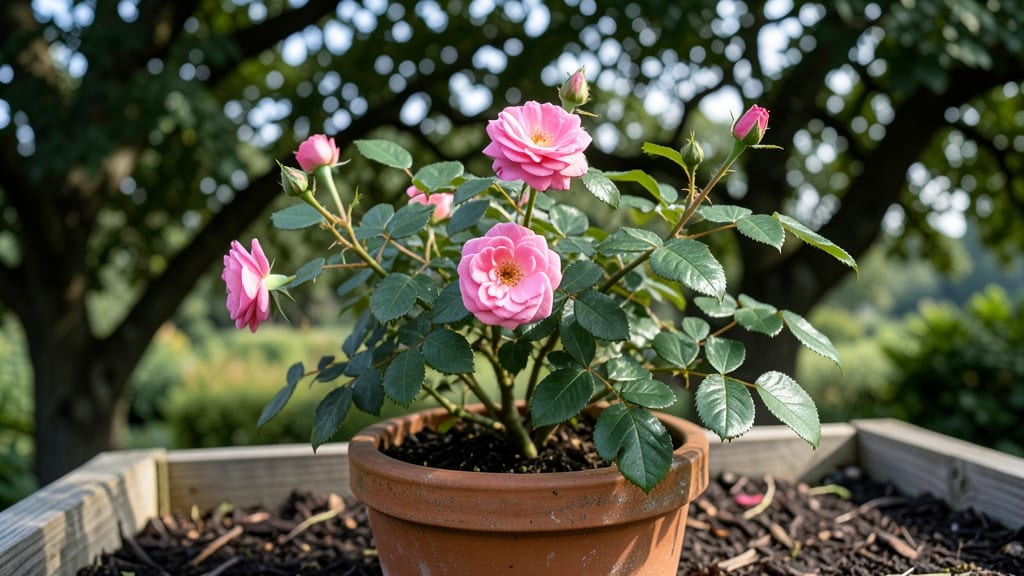
Mini roses are perennials in most climates, returning each year with proper winter care, though some varieties may die back in extreme cold without protection. Their hardiness depends on the specific cultivar and growing conditions.
Most mini roses thrive as perennials because they enter dormancy in winter, protecting their roots and energy reserves for spring regrowth. 🌱 The key difference between varieties lies in their USDA hardiness zones—while some handle down to Zone 5 with protection, others struggle below Zone 7.
For example, 'Mini Flamingo' roses often survive -20°F winters when properly mulched, while 'Fairy' series roses may need extra insulation in colder regions. Understanding your local climate helps determine whether your mini roses will return year after year or require seasonal care to persist.
What sets mini roses apart from annuals is their ability to regenerate from the same root system, though they may lose their top growth in harsh winters. This makes them low-maintenance perennials compared to other flowering plants that must be replanted annually.
The trade-off? Their longevity comes with winter preparation—mulching, pruning, and sometimes even wrapping can mean the difference between a thriving spring bloom and a lost investment.
💡 In This Article
- Understanding Mini Rose Hardiness Zones and Winter Survival
- Tips for Protecting Mini Roses in Cold Climates
Understanding mini rose hardiness zones and winter survival
Mini roses survive winter through a process called dormancy, where their growth slows dramatically to conserve energy. During this phase, their roots remain active beneath the frost line, while above-ground stems and leaves die back.
The key to their perennial nature lies in the crown—the area where stems meet roots—which contains dormant buds capable of sprouting new growth when temperatures rise. This biological adaptation allows them to persist for years, unlike annuals that complete their lifecycle in one season.
The USDA hardiness zones (5-9) determine which mini rose varieties will thrive in your area. For instance, 'Mini Flamingo' roses typically handle Zone 5 conditions (down to -20°F), while 'Fairy' series roses often struggle below Zone 7 (10°F).
The difference comes down to their genetic resilience—some cultivars develop thicker stems and deeper root systems that store more carbohydrates for winter survival. 🌡️ In colder climates, varieties like 'Playboy' or 'Bonica' often outperform others due to their hybrid vigor and ability to regenerate quickly after frost damage.
What most gardeners overlook is how soil temperature affects winter survival—roots need protection from freezing, which is why mulching with 4-6 inches of organic matter (like straw or shredded leaves) is critical. The mulch acts as insulation, maintaining soil temps above freezing while allowing moisture to drain.
Without this layer, roots can sustain damage even if the air temperature isn't extreme. This is why container-grown mini roses often fare worse in winter—their root systems have less thermal mass to regulate temperature.
Bud formation is another critical factor. Mini roses form buds in late summer/fall that contain next year's flowers and stems. If these buds freeze, the plant may still recover from the crown, but with reduced blooms.
Varieties like 'David Austin's 'Mini Pink' produce buds closer to the stem, offering better frost protection than those with exposed buds. The trade-off? Some heirloom varieties with delicate buds may require additional winter wrapping in Zone 5 or colder.
Here's what sets resilient mini roses apart: their ability to re-sprout from multiple points on the crown, even if some buds are lost. For example, after a 25°F freeze, a healthy 'Mini Flamingo' might lose 30% of its buds but still produce abundant new growth from remaining dormant points.
This redundancy is why they're classified as perennials—unlike annuals that rely on a single growing season or biennials that flower once before dying.
Consider this comparison: A Zone 6 garden with proper mulching can support mini roses like 'Iceberg' (hardy to 5°F), while a Zone 4 gardener might need to choose 'Knock Out' varieties (hardy to -15°F) or use rose cones for extra protection.
The right variety for your climate isn't just about survival—it's about vigor and bloom quantity in subsequent seasons. 🌸