
Pests
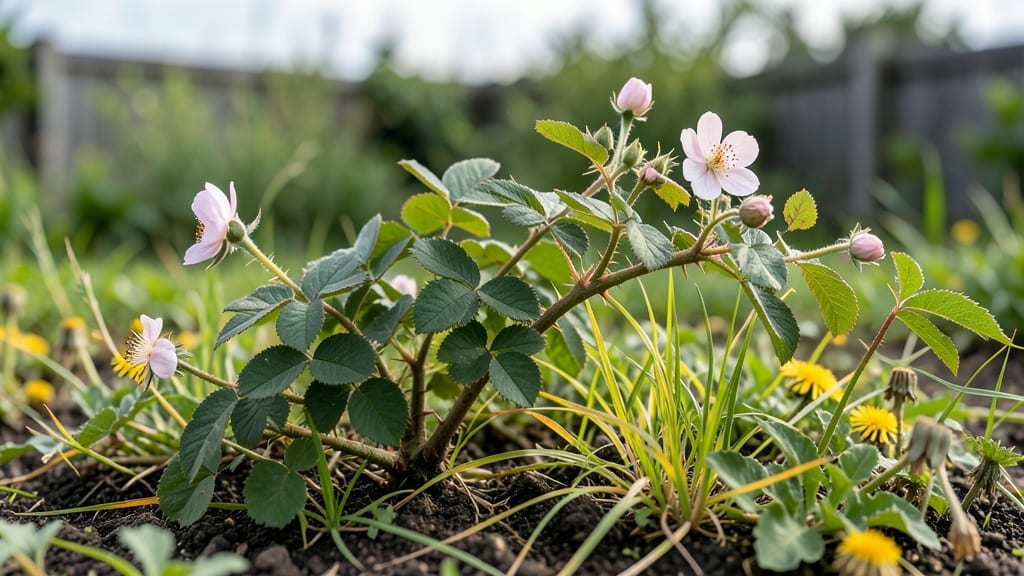
Roses are not weeds—they’re cultivated flowering plants with ornamental, ecological, and cultural value, though some wild roses may share invasive traits like rapid growth or seed dispersal. Weeds are typically fast-spreading, non-native plants that disrupt ecosystems or gardens.
Roses are deliberately cultivated for their beauty, fragrance, and historical significance, while weeds thrive without human intervention. 🌹 The key difference lies in their purpose: roses are bred for specific traits like vibrant blooms or disease resistance, whereas weeds often lack these desirable characteristics.
Many gardeners face the challenge of managing rose bushes that spread too aggressively—this happens when their roots establish beyond intended areas, creating dense thickets. Understanding this distinction helps you appreciate roses' value while controlling their growth effectively.
Wild roses can sometimes mimic weed-like behavior, especially in natural landscapes where they spread uncontrollably through seed dispersal. However, their ecological benefits—like providing nectar for pollinators—set them apart from true weeds, which typically offer no positive contributions to gardens or ecosystems.
The confusion often arises from how roses can look untamed when left unmanaged, but their intentional cultivation separates them from the weed category entirely.
💡 In This Article
- Botanical Differences: Weeds vs. Cultivated Roses
- When Roses Act Like Weeds: Managing Overgrowth
Botanical differences: weeds vs. cultivated roses
At the core, roses belong to the Rosa genus, which includes over 100 species and thousands of cultivated varieties. These plants are deliberately hybridized by horticulturists to enhance traits like flower size, fragrance intensity, and disease resistance.
For example, the Rosa 'Knock Out' variety was bred specifically to produce continuous blooms without needing deadheading, a trait that sets it apart from wild roses.
Weeds, on the other hand, are typically non-cultivated plants that reproduce aggressively through seeds or rhizomes, often lacking the controlled genetic modifications that define roses.
The growth habits of roses and weeds also differ significantly. Cultivated roses are typically grafted onto rootstocks to control their vigor and spread, a technique that prevents them from becoming invasive.
Wild roses, however, can spread rapidly through seed dispersal or underground runners, sometimes reaching 10-15 feet in diameter if left unchecked. This wild growth pattern can resemble weeds, but it’s a natural adaptation rather than an unintended consequence of cultivation.
The key distinction is that roses are managed through human intervention, while weeds thrive independently of human control.
Ecologically, roses provide valuable benefits that weeds often lack. Many rose species serve as pollinator magnets, attracting bees and butterflies with their abundant nectar and petals. In contrast, most weeds are considered ecological pests because they outcompete native plants for resources, reducing biodiversity.
For instance, dandelions, often labeled as weeds, are actually crucial early-season food sources for bees when few other flowers are blooming. Roses, too, contribute to ecosystems, but their deliberate cultivation ensures they remain beneficial rather than disruptive.
Another critical difference lies in their reproductive strategies. Weeds often produce thousands of lightweight seeds that spread easily via wind or animals, ensuring rapid colonization. Roses, however, produce fewer seeds, and their reproduction is frequently controlled through pruning or removal of hips (the seed pods).
This controlled approach is why roses are valued in gardens—they don’t spread uncontrollably like weeds, but they can be managed to thrive in specific areas. 🌿
The confusion between roses and weeds often arises from their appearance. Untamed rose bushes can develop dense, thorny thickets that resemble overgrown weeds, especially when they spread beyond their intended space. However, this is a result of poor management rather than inherent weed-like behavior.
For example, a climbing rose left unpruned can grow 20 feet or more in a single season, creating a tangled mess that might look like an invasive plant. But with proper pruning and training, the same rose can become a stunning vertical garden feature.
Finally, consider the cultural and economic value of roses versus weeds. Roses have been cultivated for thousands of years, symbolizing love, beauty, and remembrance in countless societies. Their petals are used in perfumes, teas, and even culinary dishes, adding to their economic worth.
Weeds, by contrast, are typically seen as nuisances that require removal to maintain garden aesthetics or agricultural productivity. This fundamental difference in human perception and utility underscores why roses and weeds occupy entirely different categories in horticulture.