
Flowers
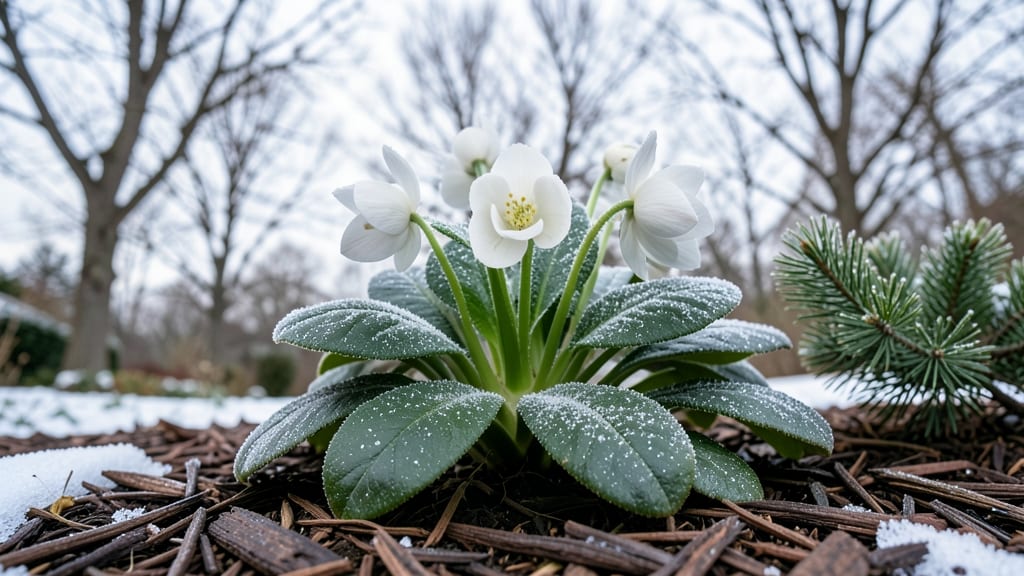
Are there flowers that bloom in winter? Yes, and they can transform your garden into a vibrant oasis even when temperatures drop.
Picture this: snowflakes dusting the ground while delicate blooms push through the frost—it’s not just a dream. Some flowers are designed to thrive in cold weather, offering color and life when most gardens lie dormant.
Whether you’re in a chilly USDA Zone 5 or a milder Zone 7, there are hardy varieties that refuse to give up on winter’s beauty.
These cold-resistant blooms don’t just survive—they thrive, with some even becoming more fragrant in cooler air. From hellebores that bloom in early spring to winter jasmine that lights up dark corners, these flowers prove that frost isn’t the end of your garden’s story.
Below, I’ll share the top varieties, their care secrets, and how to keep them looking their best through the season.
Ready to defy the cold? Discover which winter flowers will bring joy to your landscape—and how to give them the best chance to shine, even when the mercury drops.
Top 10 cold-hardy flowers that bloom in winter (with growing zones)
Winter doesn’t have to mean a colorless garden. Many cold-hardy flowers thrive in sub-freezing temperatures, offering vibrant blooms when most plants are dormant. These resilient varieties can handle USDA zones 3-8, proving that winter gardens can be just as stunning as spring or summer displays.
Whether you're in a snowy Zone 4 or a chilly Zone 7, these flowers will add life to your landscape.
From delicate snowdrops to bold winter jasmine, these plants have adapted to survive frost, snow, and even ice. Their secret? Deep root systems, waxy flower coatings, and early bloom cycles that take advantage of winter’s crisp air.
Let’s explore the top 10 cold-hardy flowers that will keep your garden vibrant all season long, along with their care requirements and ideal growing zones.
Note: Always check your specific USDA zone before planting, as microclimates can affect hardiness. For example, a Zone 6 garden near a lake may experience milder winters than one inland. Use this comparison table to find the best matches for your climate and garden style.
How to create a stunning winter flower garden (step-by-step guide)
A winter flower garden isn't just possible—it's vibrant with the right cold-hardy plants and smart preparation. The key lies in soil protection, strategic plant selection, and understanding how light exposure changes during shorter days.
Unlike summer blooms, winter flowers often thrive in partial shade and need well-draining soil to prevent frost damage.
Start by choosing native perennials like hellebores or winter jasmine, which naturally adapt to cold climates. These plants not only survive but thrive with minimal intervention. The secret? Mulching heavily (4-6 inches) with straw or shredded leaves to insulate roots while allowing moisture retention.
✅ Numbered Highlights for Winter Garden Success
- 1. Soil Prep: Amend with compost and sand for drainage. Test pH (6.0-7.0)—winter flowers prefer slightly acidic to neutral soil.
- 2. Plant Selection: Prioritize evergreen varieties like camellias or pansies, which stay lush year-round.
- 3. Mulching: Apply 3-4 inches of organic mulch after first frost to protect roots from freeze-thaw cycles.
- 4. Sunlight: Group sun-loving plants (e.g., winter heather) in south-facing spots where sunlight is strongest.
- 5. Watering: Water deeply but infrequently—once weekly unless drought occurs. Avoid wet foliage at night to prevent frost damage.
- 6. Companion Planting: Pair tall perennials (e.g., ornamental grasses) with low-growing blooms (e.g., crocuses) to extend visual interest.
- 7. Deadheading: Remove spent blooms to encourage reblooming and prevent disease in mild winters.
For extended blooms, incorporate companion planting with herbs like thyme or lavender, which repel pests and attract pollinators even in cold weather. These aromatic plants also mask frost-sensitive neighbors like primroses.
Don’t overlook container gardening—pots allow you to move plants to protected spots during hard freezes. Use insulated planters and bury them halfway in the ground for extra insulation. Fill containers with lightweight potting mix to prevent waterlogging.
Finally, monitor soil temperature—most winter blooms need roots above freezing but tolerate air temps down to 10°F. Use a soil thermometer to track conditions and adjust mulch as needed. With these steps, your winter garden will flourish even when neighbors’ gardens are dormant.
🌱