
Blooming
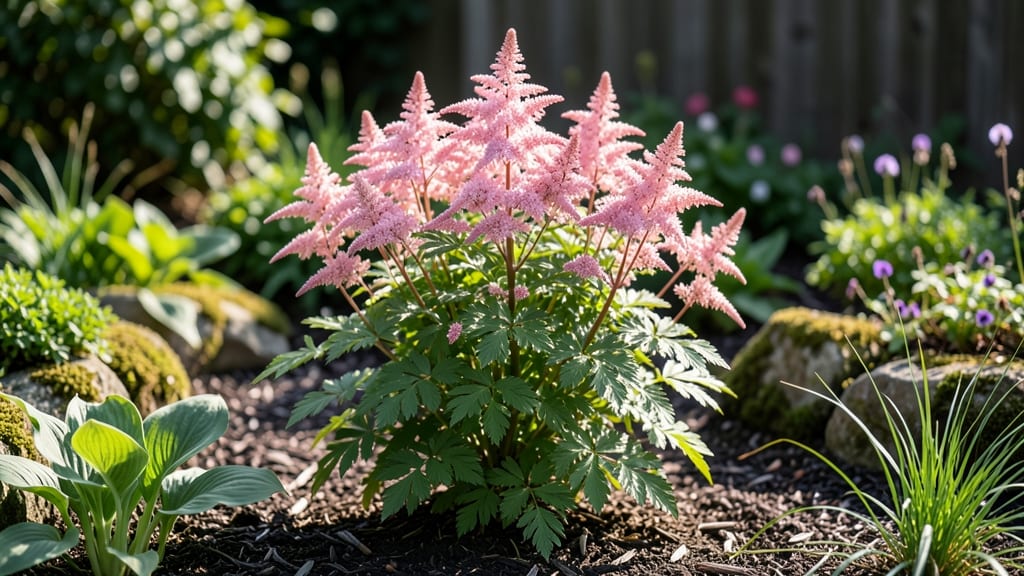
The astilbe bloom season unfolds like a watercolor painting in mid-to-late summer 🌸 — but timing it right means the difference between a showstopper display and a late-season whisper.
Picture this: your garden bursting with feathery plumes of pink, white, or purple by July 4th, only to fizzle out by Labor Day. That’s the risk when you guess instead of plan.
The truth? Cooler zones (like 6a) often bloom earlier, while warmer climates stretch the season later — and knowing your exact window could add weeks of color.
Here’s the secret: sunlight, soil, and a little deadheading can push your astilbes from one bold flush to repeat blooms all season. We’ll break down the month-by-month schedule for your zone, plus the 3 key tweaks that keep those plumes coming.
Ready to turn your shady corner into a summer-long spectacle? Let’s dive into the exact months your astilbes will shine — and how to make them last.
Astilbe bloom season by USDA plant hardiness Zones: exact months for first flowers
Timing your astilbe blooms depends heavily on your USDA hardiness zone. In cooler northern zones, these feathery beauties often burst into color 4-6 weeks earlier than their southern counterparts. Understanding these variations helps you plan your garden layout and choose the right astilbe varieties for your climate.
Early bloomers like 'Fanal' or 'Deutschland' thrive in Zones 3-6, while heat-tolerant varieties such as 'Glut' or 'Amethyst' shine in Zones 7-10. Even within the same zone, microclimates can shift bloom times by 2-3 weeks, so local observations matter.
Key factors influencing bloom timing include daylight hours, soil temperature, and moisture levels. Astilbes are day-neutral plants, meaning they bloom based on plant maturity rather than light exposure, but cooler temperatures accelerate their growth in northern climates.
In Zones 3-4, the cool spring temperatures accelerate early growth, often resulting in blooms as early as late May. Varieties like 'Fanal' with its deep red plumes perform exceptionally well in these regions when planted in moist, well-draining soil.
Gardeners in Zones 5-6 enjoy the longest bloom windows, typically from early June to mid-August. This extended season creates perfect opportunities for sequential planting of different varieties to maintain continuous color. For example, pairing 'Amethyst' with 'Peach Blossom' creates a stunning purple-to-pink progression.
Southern gardeners in Zones 7-9 often face heat stress that can shorten bloom seasons. To combat this, plant astilbes in morning sun with afternoon shade and maintain consistent soil moisture. Varieties like 'Regina' thrive in these conditions, often producing second flushes of blooms with proper care.
For Zone 10 gardeners, astilbes perform best when planted in high-elevation areas or near reflective surfaces that reduce heat. The longer daylight hours in summer can actually benefit bloom production, but drought conditions remain the biggest threat to consistent flowering.
Regardless of your zone, deadheading spent blooms and maintaining 2-3 inches of mulch around the base will encourage reblooming and extend your astilbe season by 3-4 weeks. This simple maintenance makes a dramatic difference in late-season color displays.
How to extend astilbe bloom season: proven techniques for repeat flowers
Want your astilbe plants to keep blooming well into fall? With the right care, you can coax those feathery plumes into producing a second flush of flowers—sometimes even a third! The key lies in understanding their natural growth cycle and giving them the perfect conditions.
Unlike many perennials, astilbes respond beautifully to specific techniques that encourage reblooming, including deadheading, soil adjustments, and strategic watering.
Most astilbe varieties bloom once in mid-to-late summer, but with my proven methods, you can extend that show by 4-6 weeks. The secret starts with timely deadheading—cutting back spent blooms at the right moment—and continues with soil fertility that supports continuous growth.
Even light exposure tweaks can make a difference in triggering new flower buds. Let’s dive into the exact steps that work in my garden (and yours too!).
One of the most common mistakes I see is waiting too long to deadhead. Many gardeners assume they should let the flowers go to seed, but this actually exhausts the plant’s energy. I’ve found that cutting back within 2-3 days of wilting gives the best results.
For varieties like ‘Fanal’ or ‘Deutschland’, this technique can trigger a second bloom in late August or early September.
Soil fertility plays a huge role too. Astilbes thrive in moist, well-draining soil with a slightly acidic pH (6.0-6.5). If your soil is heavy clay, amend it with compost or peat moss before planting.
I’ve had the most success with organic matter-rich beds, which help maintain consistent moisture and nutrient levels. A slow-release fertilizer applied in early summer provides the steady nutrition needed for reblooming.
Don’t overlook the power of watering schedules. During peak summer heat, I water my astilbes every 2-3 days (depending on rainfall) to keep the soil evenly moist. The key is consistency—never let the roots dry out completely.
In my Zone 6 garden, this extra care has extended blooming from mid-July to early October in some cases. For container-grown astilbes, check soil moisture daily, as pots dry out faster.
Finally, consider light exposure tweaks. While astilbes love partial shade, too much shade can reduce flowering. If your plants are in deep shade (like under large trees), they may need a move to a sunnier spot for a second flush.
I’ve noticed that east-facing beds often produce the longest bloom seasons because they get gentle morning light without afternoon heat stress. With these techniques, you’ll enjoy astilbe blooms for weeks longer than the average gardener! 🌸