
Blooming
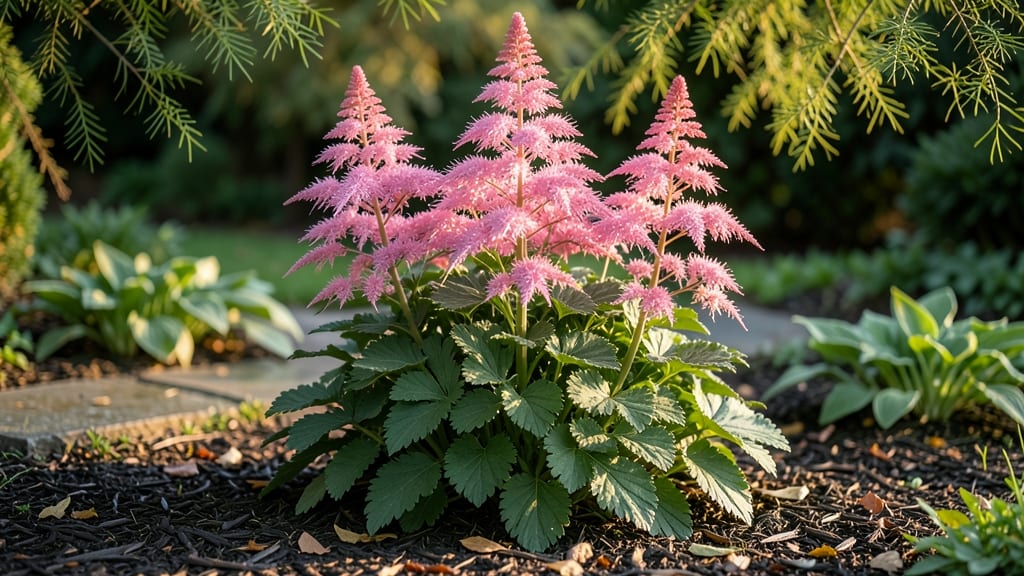
The astilbe bloom time can stretch from 3 to 6 weeks—or even longer—if you make a few strategic adjustments to care and variety selection, since most gardeners miss the chance to prolong their feathery display.
If you love the delicate plumes of 🌸 astilbe but dread their fleeting beauty, you’re not alone—these perennials bloom for just weeks unless you know the secrets to extending their show.
Climate, planting time, and even your pruning habits can shift bloom timing by 2 to 3 weeks, turning a short burst of color into a garden highlight from early summer through late July.
Below, I’ll break down how to pick the longest-blooming varieties, when to prune for repeat flowers, and how to pair astilbe with companions for a nonstop seasonal display.
Astilbe bloom duration by variety: which lasts longest?
Astilbe’s feathery plumes are a gardener’s dream, but their bloom time often feels disappointingly short. The good news? Some varieties outshine others with longer-lasting blooms, and smart care choices can extend the show by weeks.
Whether you’re in USDA Zone 5 or Zone 8, selecting the right astilbe variety and understanding their bloom windows is key to maximizing your garden’s seasonal interest.
Bloom duration varies dramatically between species—some astilbes burst into color in early summer and fade by July, while others linger into late August or September.
The secret lies in their genetic makeup: Astilbe japonica and A. simplicifolia tend to have the most prolonged displays, while A. chinensis varieties often bloom earlier but more briefly. Let’s break down the top performers and what influences their longevity.
📊 Key Factors Affecting Bloom Time: - Variety selection (early vs. late bloomers) - Sunlight exposure (too much sun shortens blooms) - Soil moisture (consistent watering = longer flowers) - Climate zone (warmer zones extend bloom windows) - Deadheading practice (removing spent blooms triggers reblooming)
If you’re in a warmer climate (Zones 7-9), astilbe blooms often last 2-3 weeks longer than in cooler regions. For example, A. simplicifolia in Zone 8 might bloom from late June through October, while the same variety in Zone 5 could fade by early September.
The extra heat delays senescence, giving you more time to enjoy those feathery plumes.
Sunlight plays a surprising role—too much direct sun (especially afternoon rays) can cause astilbe blooms to wilt prematurely. Aim for morning sun + afternoon shade to preserve bloom quality.
In my Zone 6 garden, I’ve found that planting astilbe under Japanese maples or near hydrangeas creates the perfect microclimate, extending blooms by nearly 3 weeks compared to full-sun locations.
Color also affects longevity: Darker hues (deep pinks, purples) tend to last longer than pastels, thanks to their higher anthocyanin content. For instance, 'Deutschland' (a hybrid) with its rich red plumes often outlasts lighter varieties by 10-14 days.
If you want maximum bloom time, prioritize dark-colored astilbes like 'Purple Haze' or 'Fanal'.
One of my favorite late-season performers is Astilbe thunbergii, which thrives in humid conditions and blooms reliably until frost in Zones 6-9. Pair it with ferns or hostas to create a lush, long-lasting shade garden display.
The trade-off? It prefers moist, rich soil, so amend your beds with compost before planting for best results.
For early bloomers, A. chinensis varieties like 'Pumila' are hard to beat—they
Pruning & care tricks to extend astilbe bloom time
Astilbe’s feathery plumes are a garden highlight, but their bloom time can feel disappointingly short—typically just 3-4 weeks for most varieties. The secret to extending that show lies in smart pruning, soil care, and avoiding common mistakes that cut blooms short.
With the right techniques, you can coax extra weeks of vibrant color from your astilbe plants.
Start by understanding that astilbe blooms are determinate, meaning each stem produces flowers only once. Deadheading spent blooms isn’t just about looks—it redirects the plant’s energy to new growth and future buds.
But timing and method matter. For example, cutting back too aggressively after flowering can signal the plant to enter dormancy early, shortening next year’s bloom time.
⚠️ callout-warning
Over-pruning astilbe after blooming can stunt next year’s flowers. Never cut back more than 1/3 of the plant in late summer—this removes next season’s buds hidden in the foliage. Instead, wait until early spring to trim back dead or yellowed stems to 1-2 inches above ground.
Poor drainage also shortens bloom time. Astilbe roots rot easily in soggy soil, causing stress that reduces flowering. Amend heavy clay soil with compost or perlite to improve aeration.
To maximize bloom time, begin with seasonal pruning. In late winter or early spring, cut back the previous year’s stems to ground level before new growth appears.
This encourages fresh, vigorous shoots that will produce more abundant blooms. Use clean, sharp pruners to avoid damaging stems, which can invite disease.
Soil health plays a critical role in bloom duration. Astilbe thrives in moist, well-draining soil with a pH of 6.0-6.5. Before planting, mix in organic matter like compost or peat moss to retain moisture while preventing root rot.
During the growing season, apply a balanced fertilizer (10-10-10) every 4-6 weeks to support continuous flowering.
Watering habits also impact bloom time. While astilbe loves moisture, consistent overwatering can lead to weak stems and fewer blooms. Water deeply once or twice weekly, focusing on the soil base rather than the foliage.
Mulch around plants with 2-3 inches of organic mulch to retain moisture and regulate soil temperature, which helps extend the blooming season.
For varieties like Astilbe chinensis or Astilbe japonica, which bloom later in the season, stagger your pruning and fertilizing schedule. Apply half the recommended fertilizer in early summer to promote late-season growth without overstimulating early blooms.
This balance ensures your astilbe plants produce flowers over a longer period rather than all at once.