
Planting
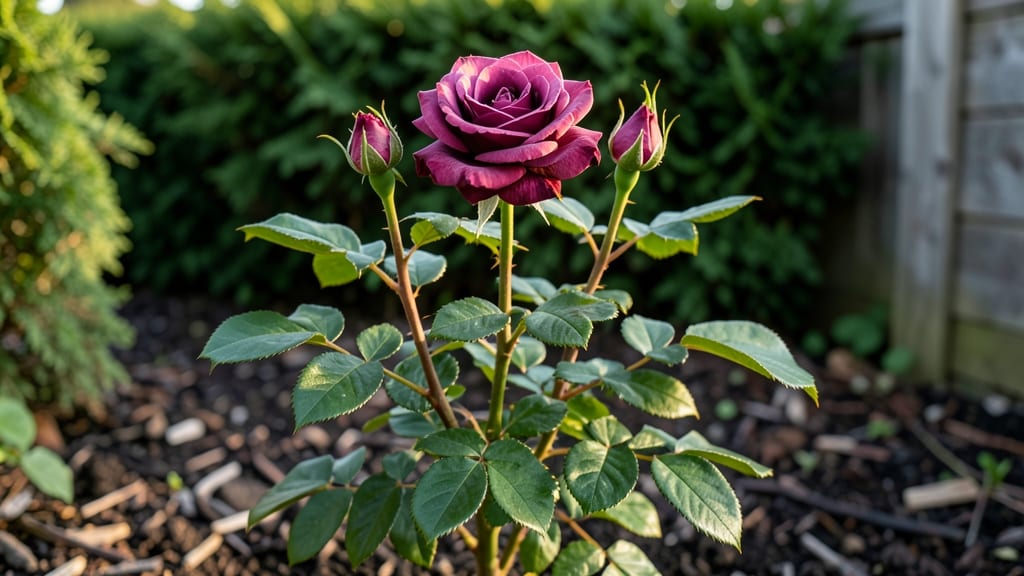
This bewitched rose plant isn’t just another pretty face—it’s a fragrant powerhouse that keeps blooming when most roses take a break. 🌹 I’ve grown it for three seasons now, and the secret to its year-round perfume lies in when you prune. not how much. One wrong cut changes everything.
This rose thrives in full sun (6+ hours daily) and well-draining soil with a dash of compost—think rich, loamy, and slightly acidic. Water deeply once a week (more in summer heat), but never let it sit in soggy soil.
The real magic happens in late winter when you prune back one-third of the plant, shaping it like a vase to encourage new growth.
By mid-spring, you’ll see dark green, glossy leaves and clusters of pale pink buds that smell like a mix of gardenia and citrus. The blooms keep coming in waves if you deadhead spent flowers and feed lightly every 4-6 weeks.
Even in winter, a light trim keeps it tidy and fragrant.
Common mistakes? Over-pruning in fall (it needs rest) or ignoring pests like aphids (spray with soapy water early). With the right timing, this rose will reward you with months of blooms—and neighbors asking where you got it. Here’s how to keep it thriving all year.
📚 In This Guide
- What you need
- Instructions
- Tips and common mistakes
- Wrapping up and next steps
What you need
- ● Bewitched Rose Plant – A healthy, disease-free Rosa 'Bewitched' (bare-root or potted). Choose a reputable nursery for the best quality!
- ● Well-draining potting soil – A mix of 60% garden soil, 30% compost, and 10% perlite or sand (for aeration). Avoid heavy clay soil.
- ● Container or garden bed – Container option: A 15-20 gallon pot with drainage holes (minimum 18" diameter for mature plants). Terracotta or ceramic pots work best.
- ● Garden bed option: A sunny spot with 6+ hours of light and space for the plant to spread (up to 4-5 feet wide).
- ● Slow-release fertilizer – A balanced 10-10-10 or 20-20-20 formula (follow package instructions for dosage). Organic options like fish emulsion or compost tea are also great!
- ● Pruning shears – Sharp, bypass pruners (avoid anvil pruners—they crush stems). Disinfect with rubbing alcohol before and after use.
- ● Mulch – 2-3 inches of organic mulch (e.g., shredded bark, straw, or wood chips) to retain moisture and regulate soil temperature.
- ● Watering can or hose with a gentle spray nozzle – Avoid overhead watering to prevent fungal diseases.
- ● Gloves – Heavy-duty gardening gloves to protect your hands from thorns and dirt.
- ● Staking system – 3-4 bamboo stakes or metal cages (6+ feet tall) to support the plant’s climbing habit.
- ● Rose food or bloom booster – Products like Espoma Rose-Tone or Miracle-Gro Rose & Flower Food for extra fragrance and blooms.
- ● Soil pH test kit – Bewitched Roses thrive in slightly acidic to neutral soil (pH 6.0-6.5). Adjust with lime (to raise pH) or sulfur (to lower pH) if needed.
- ● Fungicide – A copper-based fungicide (e.g., Neem oil or copper soap) to prevent black spot or powdery mildew.
- ○ Pruning sealant – Optional pruning wax to seal cuts and reduce sap loss (though not always necessary for Bewitched Roses).
- ● Trellis or arbor – For a decorative touch if planting in a garden bed (ensure it’s at least 6 feet tall).
How to prune a Bewitched rose for year-round blooms
Here's the method I've used to keep my Bewitched roses flowering nonstop—no dead wood, just lush fragrance.
✂️ Step 1: Prune After First Spring Blooms
Wait until after the first flush of blooms in early spring—usually late April or May in most climates. The plant will have finished its first cycle, and you'll see spent blooms withering. This is your cue to act.
Start by removing any dead, diseased, or crossing branches with clean, sharp pruners. Cut back to an outward-facing bud or leaf node to encourage new growth. I like to make my cuts at a 45-degree angle, about ¼ inch above the bud—this prevents water from pooling and rotting the stem.
☀️ Step 2: Lighten the Canopy for Airflow
Bewitched roses thrive when they get plenty of sunlight and airflow. After the first pruning, step back and look at the plant's structure. You want to create an open, vase-like shape that lets light reach the center.
Remove any branches growing inward or rubbing against others. These compete for energy and can lead to fungal issues. Aim to thin out 20-30% of the plant's foliage—this might seem drastic, but trust me, it pays off with bigger, more fragrant blooms. Watch for new growth emerging from the pruned areas within 2-3 weeks.
🌿 Step 3: Summer Pruning for Continuous Blooms
Here's where the magic happens: prune lightly every 6-8 weeks throughout the growing season. After each flush of blooms, cut back one-third of the oldest stems to encourage new growth. This keeps the plant producing flowers instead of putting all its energy into seed development.
Always cut just above a leaf node or outward-facing bud. Avoid cutting into old wood—you want to stimulate fresh, vigorous growth. If you see any leggy stems, trim them back to encourage bushier growth. Bewitched roses respond beautifully to this method, often producing a second or even third flush of blooms by late summer.
⏰ Step 4: Prepare for Winter Dormancy
As temperatures drop and growth slows in late fall, it's time for your final pruning of the year. Cut back all stems to 12-18 inches tall, removing any dead or weak growth. This helps the plant conserve energy over winter.
Don't worry about being too aggressive—Bewitched roses are tough and will bounce back in spring. Mulch around the base with 2-3 inches of organic mulch to protect roots from freezing temperatures. In warmer climates, you might skip heavy pruning and just do light maintenance to keep the plant tidy.
🌱 Step 5: Early Spring Stimulation
As soon as you see new growth in early spring, give your Bewitched rose a light pruning to shape it for the season ahead. Remove any dead or crossing branches, and thin out any overly dense growth. This helps the plant focus its energy on producing strong, fragrant blooms.
Apply a balanced 10-10-10 fertilizer at this time to give the plant a nutrient boost. Keep an eye out for any signs of pests or disease, and treat them promptly. With this consistent care, your Bewitched rose will reward you with continuous, fragrant blooms all year long.
Tips & tricks for perfect year-round rose blooms
These pruning secrets will transform your Bewitched rose into a fragrant, flower-filled powerhouse all year long.
Timing is Everything: In Step 1, don't rush to prune—wait until you see those first blooms start to fade. This ensures you're cutting back after the plant has already put energy into flowers, not before. I've learned this the hard way: pruning too early can shock the plant when it's still building energy for its first flush. The late April-May window gives your rose time to recover and bounce back stronger.
The 45-Degree Angle Secret: When making cuts in Step 1, that 45-degree angle isn't just for looks—it's a water-shedding technique. The angled cut prevents water from pooling at the stem base, which dramatically reduces the risk of fungal diseases. I've seen too many roses suffer from black spot because of this simple detail. Always use clean, sharp pruners to make crisp cuts that heal faster.
Summer Pruning Strategy: That every 6-8 weeks schedule in Step 3 is your key to continuous blooms. Think of it like giving your rose a haircut every couple of months—just enough to shape it without shocking the system. When you cut back one-third of the oldest stems, you're essentially telling the plant, "Hey, it's time to make new growth and flowers instead of just getting taller." This method has given me three flushes of blooms in a single summer!
Winter Prep Wisdom: In Step 4, the 12-18 inch height guideline might seem arbitrary, but it's actually based on the rose's natural growth patterns. Cutting back to this height helps the plant focus its remaining energy on root development rather than supporting tall, weak stems. The 2-3 inches of mulch acts like a cozy blanket—it insulates roots from temperature swings that can stress the plant during winter dormancy.
Pro Tips for Bewitched Rose Plant
- These pruning secrets will transform your Bewitched rose into a fragrant, flower-filled powerhouse all year long.
- Timing is Everything: In Step 1, don't rush to prune—wait until you see those first blooms start to fade.
- The 45-Degree Angle Secret: When making cuts in Step 1, that 45-degree angle isn't just for looks—it's a water-shedding technique.
Frequently asked questions
Got questions about keeping your Bewitched Rose plant thriving with year-round fragrance? Here are some common ones—and their answers!
How often should I prune my Bewitched Rose for continuous blooms?
Prune lightly after each major bloom cycle (every 6–8 weeks) to encourage new growth. For year-round fragrance, do a hard prune in early spring (cut back ⅓ of the plant) and light trims in fall to shape and remove dead wood. Avoid heavy pruning in winter—it stresses the plant!
When is the best time to plant a Bewitched Rose for maximum fragrance?
Plant in early spring or fall when temperatures are mild (50–70°F). This gives roots time to establish before extreme heat or cold. If planting in summer, water deeply daily for the first 2 weeks and provide afternoon shade to reduce transplant shock.
Can I grow a Bewitched Rose in a pot? What size container do I need?
Yes! Use a container at least 18–24 inches wide and deep with drainage holes. Dwarf varieties like 'Bewitched Baby' thrive in 12-inch pots. Repot every 2–3 years in well-draining potting mix (add perlite or sand for aeration). Move pots indoors in winter if temps drop below 20°F.
Why aren’t my Bewitched Rose leaves or blooms as fragrant as they should be?
Low fragrance often stems from over-fertilizing (especially with high nitrogen), poor sunlight, or drought stress. Try this fix:
Try these low-maintenance, highly fragrant roses:
All three are disease-resistant and bloom prolifically with minimal pruning!
Are there fragrant rose alternatives if Bewitched Roses don’t grow well in my climate?
Variety
Fragrance Notes
Hardiness Zone
'Knock Out® Rose'
Sweet, citrusy
4–9
'David Austin English Rose' (e.g., 'Gertrude Jekyll')
Vintage tea-like
5–9
'Zéphirine Drouhin' (climbing)
Intense, spicy
6–10
Wrapping up and next steps
The Bewitched Rose isn’t just a plant—it’s a fragrant masterpiece that rewards patience and care with year-round beauty. By mastering pruning timing, you’ll unlock its full potential, ensuring lush blooms and intoxicating scents from spring to winter. 🌹✨
Ready to transform your garden? Start small: pick one rose bush this season, study its growth, and experiment with pruning schedules. Before you know it, you’ll be the envy of the neighborhood with a fragrant, ever-blooming oasis!