
Pests and Diseases
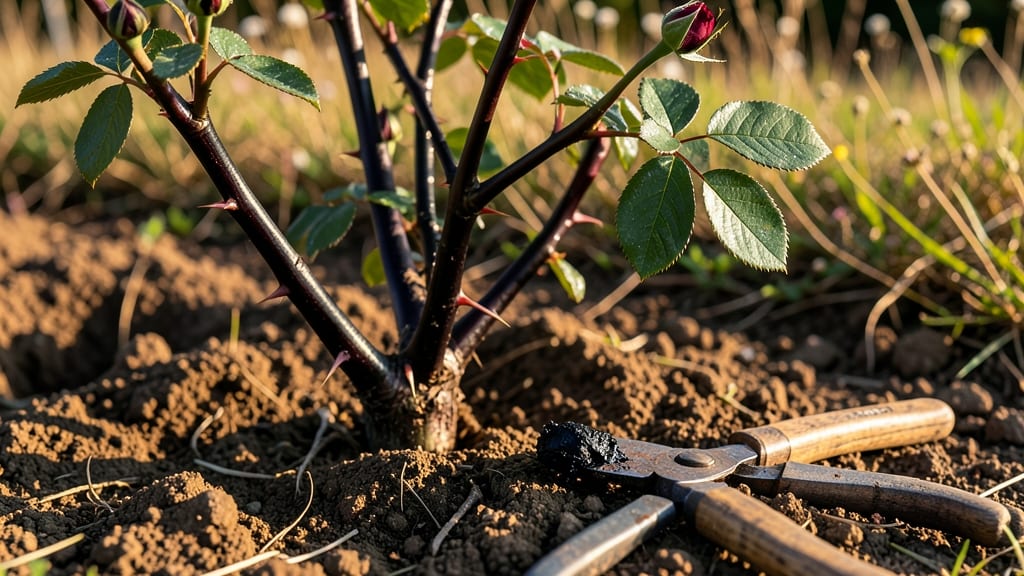
Black stems on roses mean your plants are fighting a fungal blight—and copper spray is your secret weapon. 🌿 I’ve saved dozens of roses from this silent killer by catching it early and treating it right, and I’ll show you exactly how to stop it in its tracks before it spreads.
Most black stems start with fungal infections like black spot or cane blight, but overwatering, poor air circulation, or even frost damage can trigger the same symptoms.
The key is acting fast: prune infected stems below the blackened area with clean, sharp shears, then spray with a 1% copper fungicide to prevent further spread. This isn’t just a quick fix—it’s a reset button for your roses.
Within days, you’ll see fresh green growth pushing through, and with proper spacing, watering at the base (not overhead), and regular copper treatments every 2 weeks, your roses will bounce back stronger than ever.
The best part? This method works for all rose varieties, from hybrid teas to shrub roses.
Prevention is easier than cleanup: water in the morning, avoid overhead sprinklers, and remove fallen leaves where spores hide. Copper spray isn’t just a cure—it’s your first line of defense for next season too.
Root Causes Of Rose Stem Discoloration
When your once-vibrant roses start showing darkened, blackened, or sunken stems, it’s usually a sign of stress—or worse, an infection. Understanding the why behind these symptoms is the first step to saving your plants.
Below, we break down the most common culprits, from environmental factors to fungal invaders, with clear explanations of how they damage your roses.
Roses thrive in well-drained soil, but when they sit in soggy conditions, their stems become vulnerable to rot and decay. Here’s how it happens:
- Oxygen deprivation: Too much water displaces air in the soil, suffocating roots and stems. Without oxygen, plant cells can’t respire efficiently, leading to hypoxic stress—a condition where stems turn black or mushy.
- Fungal feast: Waterlogged soil creates the perfect breeding ground for Phytophthora and Pythium, water-mold fungi that invade stems through microscopic wounds. These pathogens clog vascular tissues, blocking nutrient flow and causing discoloration.
- Root rot spread: If roots rot first, the infection can travel upward via the stem’s xylem vessels, turning them black as the plant’s transport system fails.
💡 Pro Tip: Test your soil’s drainage by digging a 12-inch hole and filling it with water. If it drains in less than 6 hours, your soil is too dense. Amend with perlite or compost to improve aeration.
Fungi are the #1 cause of blackened rose stems, and they don’t just appear—they infect. Two notorious offenders stand out:
| Fungus | How It Attacks | Visual Clues |
|---|---|---|
| Botrytis cinerea (Gray Mold) | Spores land on wet stems, germinate, and release cellulolytic enzymes that break down stem tissue. It thrives in humid, shady conditions (60%+ moisture). | Blackened, shriveled stems with fuzzy gray mold; often starts at leaf nodes. |
| Diplodia (Black Spot of Stems) | Enters through pruning wounds or natural openings. It produces toxic metabolites that kill stem cells, causing dark, sunken lesions. | Elongated black streaks along stems; may ooze sap when pressed. |
🔥 Key Trigger: Fungal spores only activate when stems stay wet for 12+ hours. Morning dew or overhead watering turns a simple rose into a fungus buffet.
Cold snaps can turn rose stems black overnight, but it’s not always frostbite—it’s cellular rupture. Here’s the science:
- Ice crystal formation: When water in stem cells freezes, it expands and punctures cell walls. This disrupts the stem’s phloem (food transport system), causing blackened, brittle tissue.
- Secondary infections: Frozen stems develop micro-cracks, inviting fungi like Botrytis to move in. The blackening you see? Often fungus feeding on already-damaged tissue.
- Sudden temperature swings: A hard freeze followed by a warm day can thaw and refreeze stem sap, accelerating decay.
✨ Prevention Hack: Apply a 3-inch layer of mulch (straw or shredded leaves) around the base of roses in fall. This creates an insulating barrier that keeps stems 5–10°F warmer than ambient air.
Not all stem blackening comes from fungi or water. Pests can chew, bore, or inject toxins that trigger darkening. The worst offenders:
- Japanese Beetles: Their larvae (grubs) tunnel into stems, creating entry points for bacteria (Erwinia) that cause black, oozing lesions.
- Rose Slugs (Sawfly Larvae):strong> These caterpillars skeletonize leaves and defoliate roses, weakening stems. Stressed stems produce abnormal melanin (dark pigment) as a defense mechanism, turning them black.
- Scale Insects: Their honeydew secretions attract sooty mold—a black fungal growth that coats stems and blocks sunlight.
🎯 Quick Fix: Inspect stems for tiny holes, frass (insect droppings), or webbing. Spray with neem oil (1 tsp/gallon water) to suffocate pests and deter future infestations.
Now that you know the why, the next step is action. Each of these causes demands a different fix—from adjusting watering habits to applying targeted fungicides. Stay tuned for our step-by-step cure guide to restore your roses to their former glory!
Quick Fixes for Darkened Rose Stems
When your roses start showing blackened stems, acting fast is key to saving your plants. Below are practical, step-by-step solutions tailored to the most common causes—fungal infections, pests, or environmental stress—along with prevention tips to keep your roses thriving.
If black, mushy, or velvety spots appear on stems, leaves, or buds, fungal blight is likely the culprit. Copper-based fungicides are your best defense, but here’s how to tackle it effectively:
🔥 Step 1: Prune Infected Areas Immediately
- Use sterilized pruners (wipe with rubbing alcohol between cuts) to remove all blackened stems, leaves, and buds.
- Cut at least ½ inch below the dark spot to ensure you remove the infected tissue.
- Dispose of pruned material in the trash (not compost)—fungal spores can survive in soil.
🍳 Step 2: Apply Copper Spray (The Science-Backed Fix)
Copper disrupts fungal cell walls, making it a gold-standard treatment for black stem diseases.
- Mix a homemade copper spray:
- 1 tsp copper sulfate (or 1 tbsp copper fungicide)
- 1 gallon of water
- 1 tsp dish soap (as a sticker to help it adhere)
- Spray thoroughly (top and bottom of leaves, stems, and buds) every 7–10 days for 3–4 weeks, even after symptoms disappear.
- Best time to spray: Early morning or late evening to avoid burning leaves in direct sunlight.
🌡️ Step 3: Improve Air Circulation & Reduce Moisture
Fungi love humidity and stagnant air.
To prevent reinfection: - Space plants at least 2–3 feet apart (or prune to open up the center of the bush). - Water at the base (avoid overhead sprinkling) and water early in the day so foliage dries by night. - Mulch properly: Use 2–3 inches of organic mulch (like straw or wood chips) but keep it away from the stem to prevent rot.
✨ Pro Tip: Boost Plant Immunity
- Fertilize with compost tea or a balanced organic fertilizer (10-10-10) to strengthen rose health.
- Avoid nitrogen-heavy fertilizers—they encourage lush growth but weaken disease resistance.
If stems look blackened, sticky, or covered in sooty mold, pests like aphids, scale, or mites may be to blame. These insects excrete honeydew, which feeds fungal growth.
🔪 Step 1: Blast Off Pests with Water
- Spray infected stems and leaves with a strong stream of water to dislodge insects.
- Repeat every 3–4 days for 2 weeks to break their life cycle.
👨🍳 Step 2: Use Insecticidal Soap or Neem Oil
- Mix 1 tbsp neem oil + 1 tsp mild soap + 1 quart water and spray directly on pests.
- Reapply every 5–7 days until pests are gone.
- Avoid spraying in direct sun (can burn leaves).
🌿 Step 3: Introduce Beneficial Insects
- Ladybugs, lacewings, or parasitic wasps (available at garden centers) devour aphids and mites.
- Plant marigolds, nasturtiums, or dill nearby to attract these natural predators.
🎯 Prevention Tip: Keep Plants Healthy
- Inspect roses weekly—catch pests early!
- Remove yellowing leaves (a sign of stress, which attracts pests).
- Avoid over-fertilizing—weak plants are pest magnets.
Blackened stems can also result from extreme heat, frost, or sunscald, especially in young or weak roses.
💡 Step 1: Adjust Watering Practices
- Deep water 1–2 times per week (early morning) to prevent stress.
- Mulch heavily (3–4 inches) to regulate soil temperature.
- Avoid wetting leaves in hot weather to prevent fungal growth from moisture stress.
🌡️ Step 2: Shield from Extreme Conditions
- Heat: Provide afternoon shade (use shade cloth if temps exceed 90°F).
- Cold: Cover roses with frost cloth if temperatures drop below 25°F.
- Windburn: Stake tall roses to prevent stem damage from whipping winds.
🔥 Step 3: Revitalize with Proper Care
- Trim damaged stems back to healthy green growth.
- Fertilize lightly with potassium-rich fertilizer (like banana peel tea) to help recovery.
- Avoid pruning during heatwaves—wait for cooler weather.
To keep black stems at bay: ✅ Prune regularly (remove dead/diseased wood in late winter or early spring). ✅ Rotate fungicides (don’t use the same one repeatedly—fungi can build resistance). ✅ Clean garden tools after each use to prevent spreading disease. ✅ Test soil pH (aim for 6.0–6.5)—acidic soil encourages fungal growth. ✅ Plant resistant varieties (e.g., ‘Knock Out’ roses are less prone to black spot).
By addressing the root cause (literally!) and following these steps, your roses should bounce back stronger and healthier. 🌹💪 Stay vigilant, and your garden will thank you!
Frequently asked questions
Why do my rose stems turn black suddenly?
Sudden blackening is usually caused by fungal infections like Botrytis or Diplodia, which thrive in wet conditions. Pests (such as Japanese beetles) or environmental stress (like frost damage) can also trigger blackening by creating entry points for disease. Check for soft, mushy stems or fuzzy mold growth to confirm.
Can I save a rose bush with black stems?
Yes, but act fast! Prune all blackened stems at least ½ inch below the discoloration, then apply a copper fungicide spray (1 tbsp per gallon of water). Improve air circulation by spacing plants 2–3 feet apart and water at the base—never overhead—to prevent reinfection.
How often should I spray copper fungicide?
Spray every 7–10 days for 3–4 weeks, even after symptoms disappear. Copper disrupts fungal growth, but spores can linger. For prevention, apply it twice a year—once in early spring and again after heavy rains—to keep fungal diseases at bay.
Will black stems kill my rose bush?
Not necessarily! If caught early, pruning and fungicide treatments can stop the spread. However, if most stems are affected or the roots are rotting, the bush may not recover. Monitor for new growth—healthy green shoots mean your rose is fighting back!
Can I use vinegar or baking soda to treat black stems?
No, these won’t work for fungal diseases. Vinegar is too harsh and can damage plant tissue, while baking soda lacks the antifungal properties needed. Stick to copper-based sprays or organic fungicides like neem oil for safe, effective results.