
Shrubs
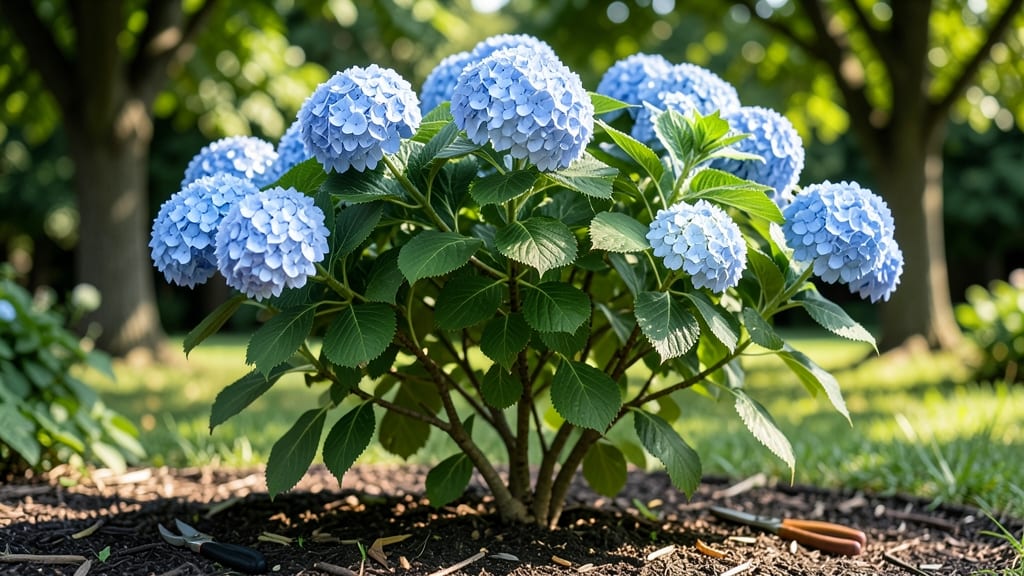
The Blue Chiffon Rose of Sharon size can range dramatically depending on the variety you choose, with some reaching towering heights while others stay neatly compact.
If you’re dreaming of a stunning blue flowering shrub but unsure which Blue Chiffon Rose of Sharon variety fits your garden’s height needs, this guide breaks down exact mature sizes—so you can plan spacing, pruning, and placement with confidence.
From the 3-foot-tall compact varieties perfect for small patios to the 12-foot giants that make bold statement pieces, knowing the right size saves you from overcrowded beds or underwhelming displays.
Here’s how to match the perfect Blue Chiffon to your space, plus pruning tips to keep it exactly the height you want—whether you prefer a tidy hedge or a sky-reaching focal point.


Blue Chiffon Rose of Sharon height by variety: exact mature sizes
The Blue Chiffon Rose of Sharon (Hibiscus syriacus) is a showstopper with its vibrant blue-purple blooms, but not all varieties reach the same towering heights.
If you're planning your garden layout, knowing the exact mature sizes of each cultivar helps you choose the perfect fit—whether you want a privacy hedge or a compact container plant. Let’s break down the most popular types and their growth habits.
From the standard Blue Chiffon that can soar to 10+ feet to the Blue Chiffon Compact that stays under 5 feet, each variety has unique spacing needs. Proper spacing ensures airflow for disease prevention and optimal bloom production.
For example, planting two standard Blue Chiffon shrubs too close can lead to crowded, leggy growth and fewer flowers. Let’s dive into the specifics so you can visualize your garden’s future.
Comparison Table: Blue Chiffon Rose of Sharon Height by Variety
The standard Blue Chiffon is the tallest variety, making it ideal for creating natural privacy screens or dramatic backyard focal points. When planted in a row with 8–10 feet of spacing, it forms a dense, flowering wall that thrives in USDA Zones 5–9.
If you’re working with a smaller space, the Compact or Dwarf varieties are game-changers. These stay under 5 feet tall and are perfect for container gardening or balcony planters.
For a balanced look, the Blue Chiffon Weigela strikes a middle ground at 6–8 feet tall. Its arching branches create a soft, layered effect that pairs well with perennials like coneflowers or ornamental grasses.
Pro tip: If you’re using this variety for a hedge, space them 6 feet apart to allow for natural spread without overcrowding.
One common mistake gardeners make is underestimating the spread of these shrubs. Even the Compact variety can reach 4 feet wide, so plan accordingly if you’re placing it near walkways or patios.
For example, a Blue Chiffon Dwarf in a 12-inch pot will still need 2–3 feet of clearance on all sides to avoid root competition with other plants.
If you’re unsure which variety to choose, consider your garden’s mature scale. A 10-foot-tall shrub can dwarf a small backyard, while a 3-foot dwarf might get lost in a large landscape.
For urban gardens, I recommend the Dwarf or Compact varieties—they’re easy to prune into shape and fit seamlessly into small-space designs. 🌱
Another key factor is sunlight exposure. All Blue Chiffon varieties thrive in full sun (6+ hours daily), but their height potential can be influenced by light. For instance, a standard Blue Chiffon in partial shade may only reach 6–8 feet instead of its full 10–12 feet.
This is why I always recommend planting them in the sunniest spot of your garden for maximum bloom power.
For first-time growers, the Compact variety is the easiest to manage. It grows 3–5 feet tall and blooms profusely with minimal pruning. If you’re aiming for a low
How to control Blue Chiffon Rose of Sharon size through pruning
The Blue Chiffon Rose of Sharon can grow between 6 to 12 feet tall, but with strategic pruning techniques, you can shape it to fit your garden perfectly. Whether you want a compact shrub for small spaces or a taller statement plant, timing and method matter.
Start by understanding the two main pruning approaches: winter pruning for structural control and summer pruning for shaping and encouraging blooms.
For compact growth, focus on light pruning in late winter or early spring, just before new growth begins. Remove one-third of the oldest stems at the base to promote bushier, shorter growth.
This method works best for small gardens or container planting, keeping your shrub under 5 feet tall. Always use clean, sharp pruners to avoid damaging the plant.
To encourage taller blooms, minimize winter pruning and avoid cutting back new growth in summer. Instead, focus on removing only dead or diseased branches during dormancy. This approach lets the shrub grow to its natural height of 8-12 feet, perfect for privacy screens or focal points. Always prune just above a bud or branch collar to encourage healthy regrowth. For seasonal timing, late winter (February-March) is ideal for structural pruning, while summer pruning (June-July) helps shape the plant. If you notice overgrowth or leggy branches, prune in early summer to redirect energy. Never prune in fall or winter unless removing dead wood, as this can stimulate new growth that won’t harden off before frost. After pruning, apply a balanced fertilizer (10-10-10) to support new growth. Water deeply to help the plant recover, especially if you’ve made heavy cuts. Mulch around the base to retain moisture and protect roots. With consistent care, your Blue Chiffon Rose of Sharon will thrive at your desired height, whether compact or towering. Remember, pruning frequency depends on your goals. For compact varieties, prune twice a year (winter and summer), while taller specimens may only need annual winter maintenance. Always step back and assess the shape—your shrub’s final look depends on your hands and timing!