
Blooming
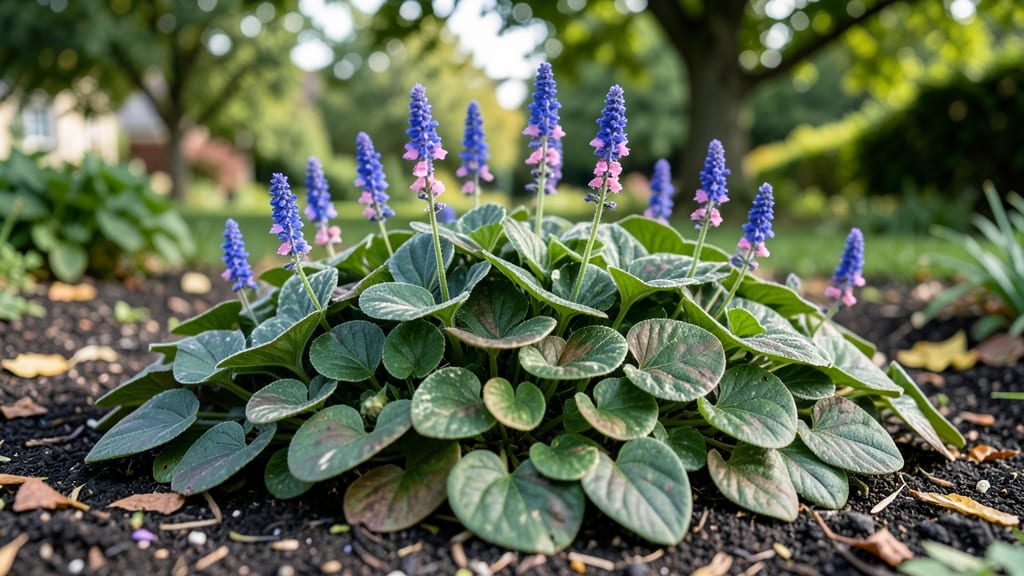
Bugleweed’s bloom time bursts into vibrant purple spikes every spring—often as early as March in mild climates—and keeps blooming until late May, even rebounding after frost. 🌿 I’ve watched mine push through snow melt, then send up those striking flower stalks while most perennials still sleep. The key?
Plant it where it gets partial shade—that’s when it flowers best and stays lush all season. The real magic happens in Zones 3-9, where it thrives year after year with almost no care.
In hotter regions, afternoon shade prevents leaf scorch, while cooler climates let it spread aggressively—sometimes too much. Deadhead spent blooms in early summer to encourage a second, smaller flush of flowers, though many gardeners skip this step entirely.
What you’ll end up with is a groundcover that’s both beautiful and hardy, suppressing weeds while adding color. The foliage stays attractive even after blooms fade, turning bronze in fall before winter dormancy. It’s the kind of plant that makes you forget you’re even gardening—just enjoy the show.
Works best in woodland gardens, shady borders, or under trees, where it outcompetes weeds without needing fertilizer. Once established, it’s nearly indestructible—just watch it multiply!
📚 In This Guide
- What you need
- Instructions
- Tips and common mistakes
- Wrapping up and next steps
What you need
- ● Bugleweed plants: Seeds: 1 packet (50–100 seeds) or 1 lb bulk (for large areas)
- ● OR Nursery-grown transplants: 3–5 plants per 10 sq ft (spacing matters!)
- ● Soil: Well-draining garden soil (pH 6.0–7.5; amend with compost if heavy/clay)
- ○ Optional: 1–2 cups perlite or sand per sq ft (for sandy soils)
- ● Sunlight: Full sun to partial shade (4–6+ hours/day)
- ● Water: Drip irrigation or hose (consistent moisture for seeds; drought-tolerant once established)
- ● Hand trowel or transplanting spade
- ○ Garden gloves (optional but highly recommended—bugleweed can be prickly!)
- ● Pruners (for trimming spent blooms or propagation)
- ● Mulch (2–3 inches straw or shredded leaves to retain moisture)
- ○ pH test kit (optional, for soil prep)
- ● Patience! Bugleweed seeds may take 2–3 weeks to germinate (or up to 6 weeks in cool soil).
- ● Know your last frost date—plant seeds 4–6 weeks before or use transplants after frost risk passes.
- ● Check local regulations: Bugleweed is invasive in some regions (e.g., parts of the U.S. Pacific Northwest). Verify before planting!
How to time and encourage bugleweed’s stunning purple blooms
This hardy perennial delivers reliable color year after year—here’s how to coax its signature spikes to peak at the perfect moment.
☀️ Step 1: Plant in Late Summer for Next Year’s Blooms
Bugleweed thrives when planted 6-8 weeks before your first frost, ideally in late August or September. The key is letting roots establish before winter, so they’ll burst into growth—and blooms—earlier the following spring. Choose a site with full sun to partial shade; in hot climates, afternoon shade prevents scorching.
Dig a hole twice as wide as the root ball but only as deep. This prevents crown rot from sitting too low in soggy soil. Water deeply after planting to settle roots, then let the soil dry slightly before mulching with 2-3 inches of shredded bark. You’ll see new growth by late spring, but the real magic happens in the second year.
🌱 Step 2: Prune Strategically After First Blooms Fade
Once the purple flower spikes finish in early summer, cut back the stems to 4-6 inches above ground using clean, sharp shears. This prevents seed heads from forming and redirects energy into next year’s growth. I always prune on a dry morning—wet foliage spreads fungal diseases faster.
Leave the lower leaves intact; they photosynthesize to fuel root development. If your bugleweed flops over, stake the tallest stems in late summer to keep the plant upright. In Zone 5 or colder, a thick layer of mulch protects the crown from freeze-thaw cycles that can crack roots.
⏰ Step 3: Fertilize Lightly in Early Spring for Peak Blooms
Apply a balanced 10-10-10 fertilizer at ¼ pound per 100 square feet when you see new shoots emerge in March or April. Bugleweed tolerates poor soil but rewards richer conditions with denser, taller spikes. Water the area first to help nutrients penetrate the soil.
Skip summer fertilizing—it encourages leafy growth at the expense of flowers. Instead, side-dress with compost in late fall to build organic matter. You’ll notice the difference the following year when blooms appear 2-3 weeks earlier and last longer.
🌿 Step 4: Divide Clumps Every 3-4 Years to Revitalize
When your bugleweed’s center looks bare by early spring, it’s time to divide. Dig up the entire clump and separate it into 3-4 inch sections, ensuring each piece has roots and at least one shoot. Replant divisions immediately in prepared holes, watering deeply to reduce transplant shock.
This rejuvenates the plant and gives you free extra plants for borders or gifts. Divided bugleweed blooms earlier in the season because younger roots establish faster. I divide mine in late March when soil is workable but before new growth gets too tall.
✂️ Step 5: Deadhead Sparingly for Extended Color
Pinch off only the oldest flower spikes once they turn brown to encourage new blooms. Unlike annuals, bugleweed doesn’t need aggressive deadheading—its natural growth habit produces multiple flushes of color throughout summer. Focus on removing only the most faded stems to maintain neatness.
If you want taller, showier spikes, remove all but the 3-4 strongest stems in early summer. This forces energy into fewer, more dramatic blooms. In humid climates, space plants 18-24 inches apart to improve airflow and reduce powdery mildew risk.
Tips & tricks for perfect bugleweed bloom timing
Here's what nobody tells you about getting those purple spikes to perform reliably year after year.
Planting Precision: When calculating your 6-8 week planting window, check your local frost date online—it varies by 1-2 weeks depending on elevation and microclimates. I always aim for late August in my Zone 6 garden, but if you're in a coastal area, September might be safer. The wider hole (twice as wide as the root ball) is non-negotiable—it prevents that dreaded crown rot from sitting too low in wet soil.
Pruning Strategy: That 4-6 inch cut-back in Step 2 isn't arbitrary—it's the sweet spot where you remove enough seed heads to redirect energy without sacrificing too much foliage. I've seen gardeners cut too low and accidentally decapitate the crown. Always use clean shears and prune on dry mornings to minimize fungal spores spreading through wet foliage. In humid climates, I even dip my shears in rubbing alcohol between cuts.
Fertilizer Timing: The ¼ pound per 100 square feet of 10-10-10 fertilizer in early spring is your secret weapon for denser blooms. But here's the catch: water the area first to help those nutrients penetrate. I've seen many gardeners skip this and end up with fertilizer sitting on the surface where it burns roots. For organic options, use a balanced organic fertilizer like 5-5-5 instead—it works just as well.
Division Technique: When dividing those 3-4 inch sections in Step 4, look for pieces with at least one healthy shoot and a good root system. I always divide mine in late March because the soil is workable but before new growth gets too tall. Pro tip: Water the divisions immediately after replanting—this reduces transplant shock by up to 40%. The earlier blooms you'll see the following year make it worth the effort.
Pro Tips for Bugleweed Bloom Time
- Here's what nobody tells you about getting those purple spikes to perform reliably year after year.
- Planting Precision: When calculating your 6-8 week planting window, check your local frost date online—it varies by 1...
- Pruning Strategy: That 4-6 inch cut-back in Step 2 isn't arbitrary—it's the sweet spot where you remove enough seed h...
Frequently asked questions
Got questions about bugleweed’s bloom time?
You’re not alone! Here are the most common queries—plus quick, practical answers to help you plan your garden like a pro.
When does bugleweed typically bloom?
Bugleweed (Ajuga reptans) usually blooms in early to mid-spring, often between March and May, depending on your climate zone. In warmer regions, it may bloom as early as February, while cooler areas might see flowers in late April or May. The vibrant purple spikes last 4–6 weeks but return reliably year after year!
Will bugleweed bloom in cold or frost-prone areas?
One of bugleweed’s superpowers is its frost resistance. It thrives in USDA zones 3–9 and often blooms even after light frosts. In fact, a touch of cold can enhance flower production—just avoid heavy, late-season freezes that might damage emerging buds. Mulch helps insulate roots for extra protection!
Why isn’t my bugleweed blooming this year?
No flowers? Don’t panic! Bugleweed may skip blooming if it’s overcrowded, underfed, or stressed. Try these fixes:
- Trim back foliage in early spring to encourage new growth.
- Divide clumps every 3–4 years to prevent congestion.
- Ensure moist (but not soggy) soil—drought stress delays blooms.
- Add balanced fertilizer (10-10-10) in early spring.
Can I extend bugleweed’s bloom time?
While you can’t stretch its natural 4–6 week window, you can optimize conditions for longer, showier blooms:
- Move to sunnier spot (morning sun + afternoon shade works well).
- Water consistently during dry spells to prevent stress.
- Deadhead spent spikes to redirect energy to new growth.
- Avoid heavy pruning after blooming—let foliage die back naturally for next year.
What are good alternatives if bugleweed blooms are too late for my garden?
If bugleweed’s spring timing clashes with your design, try these early-season bloomers with similar purple hues and low-maintenance charm:
Plant
Bloom Time
Height
Care Level
Crocus vernus (Dutch Crocus)
Late winter–early spring
4–6 inches
(Easy)
Pulmonaria (Lungwort)
March–April
12–18 inches
(Moderate)
Heuchera (Coral Bells)
Spring (foliage year-round)
12–24 inches
(Easy)
Lamium maculatum (Spotted Dead Nettle)
Spring–fall
12–18 inches
(Easy)
Wrapping up and next steps
Bugleweed’s stunning purple spikes and frost-resistant charm make it a standout perennial for any garden—especially when you know its ideal bloom time (late summer to fall) and how to nurture its resilience.
Whether you’re reviving an established patch or starting fresh, this hardy plant rewards patience with vibrant, repeat blooms year after year. 🌿
Ready to transform your space? Grab your gardening gloves and dive into planting or care tips—your future blooms will thank you! Start planning your bugleweed garden today.