
Blooming
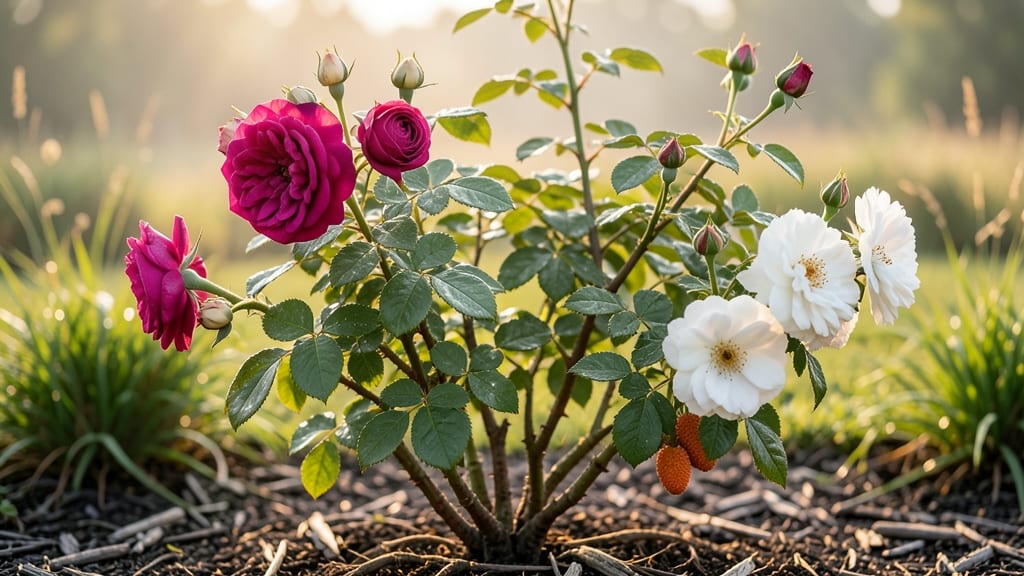
Roses bloom in Michigan between late May and October, with peak flowering from June through September, though timing varies by variety and frost risk. Early bloomers like hybrid teas appear in May, while hardy shrubs may extend into fall.
Michigan's rose blooming season is a beautiful but unpredictable dance with spring and fall temperatures. 🌸 The state's diverse climate zones—especially the Upper Peninsula's cooler temperatures—can push blooms later, while southern Michigan often sees earlier starts.
Hybrid teas and grandifloras typically kick off the show in late May, but gardeners in colder regions should be patient, as late frosts can delay or damage early flowers. Shrub roses and climbers often reward patience with extended blooms well into October, making them ideal choices for Michigan gardens.
What many don't realize is how Michigan's microclimates play a role—urban areas often bloom earlier than rural spots due to the "heat island" effect. I've seen roses in Detroit start blooming in early May while those in Traverse City might not peak until July.
The key is selecting varieties suited to your specific zone and providing protection during those critical late spring frosts that can turn buds into crispy snacks overnight.
💡 In This Article
- Michigan Rose Blooming Seasons by Variety
- Extending Rose Blooms: Frost Protection and Pruning Tips
Michigan rose blooming seasons by variety
Michigan's rose blooming calendar reads like a carefully choreographed performance, with each variety taking center stage at different times.
Hybrid teas—like the classic 'Mr. Lincoln'—are the early showstoppers, often unfurling their velvety petals as early as late May in southern Michigan's Zone 6, while their Upper Peninsula counterparts might wait until June due to cooler temperatures.
These roses typically produce 5-7 buds per stem and bloom in dramatic, single flushes, making them perfect for cut flower arrangements.
The real spectacle unfolds with shrub roses, such as 'Knock Out' roses, which burst into bloom in June and often continue through September, sometimes even into October if protected. These hardy varieties thrive in Michigan's Zone 5-6 and can withstand late frosts better than their delicate cousins. 🌸 Their secret?
A robust root system that stores energy and a natural resistance to black spot, a fungal disease that thrives in Michigan's humid summers.
Climbing roses like 'New Dawn' follow a similar pattern but may delay their peak until July, offering a vertical display that transforms fences and trellises into living tapestries.
What sets Michigan apart is the dramatic contrast between the Lower Peninsula's Zone 6 and the Upper Peninsula's Zone 4-5. In Traverse City, roses might bloom a full 2-3 weeks later than in Ann Arbor due to the lake-effect cooling from Lake Michigan.
This geographic variation means gardeners in northern Michigan should opt for late-season varieties like 'Dr. Huey' or 'Bonica,' which are bred to handle shorter growing seasons and cooler temperatures.
Frost risk is the wildcard in Michigan's rose blooming schedule. Late spring frosts—common until mid-May—can turn delicate buds into frostbitten husks overnight. Hybrid teas, with their single bloom cycle, are particularly vulnerable, while shrub roses often recover better due to their multiple buds per stem.
The magic number for frost sensitivity is 28°F: most roses will suffer damage below this threshold, which is why gardeners in colder zones often plant frost-sensitive varieties against south-facing walls or use protective covers.
Color also plays a role in bloom timing. Darker roses like 'Black Baccara' tend to bloom slightly later than lighter varieties, as their pigments require more warmth to develop fully. Meanwhile, pastel roses like 'Iceberg' often bloom earlier, their white petals standing out against Michigan's green backdrop.
This color-based timing can be a strategic advantage for gardeners looking to extend their blooming season by planting a mix of varieties.
For those tracking bloom times, Michigan State University Extension provides detailed heat accumulation models that predict when roses will reach their ideal blooming temperature of 60-70°F. These models account for daily highs and lows, giving gardeners a data-driven edge over Mother Nature's whims.
By understanding these patterns, you can time your rose purchases, pruning, and even wedding bouquets with precision!