
Container Gardens
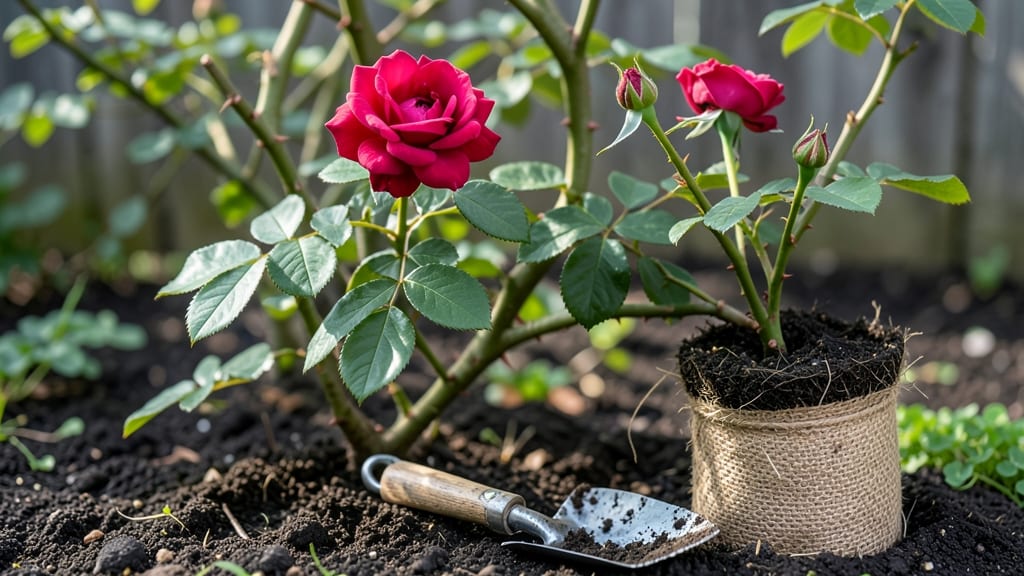
You can move a rose bush in bloom, but it's risky—stress from transplanting often causes buds to drop or flowering to slow. To minimize damage, trim blooms by one-third, water thoroughly before and after moving, and relocate on a cool, cloudy day to reduce shock.
Transplanting a rose bush while it's in full bloom disrupts its natural energy flow, forcing the plant to prioritize root recovery over flower production. 🌹 The hormonal shift triggered by root disturbance can cause buds to abort or flowers to wilt prematurely.
Even with careful handling, expect a temporary pause in blooming as the plant redirects energy to establish new roots. The best approach is to time your move during early morning hours when temperatures are cooler and humidity is higher, giving the plant a better chance to recover.
For optimal results, prepare the new location a few weeks in advance by enriching the soil with compost and ensuring proper drainage. After transplanting, maintain consistent moisture without overwatering—this balance helps the roots reattach while preventing fungal issues.
I’ve found that providing afternoon shade for the first week after moving significantly reduces stress on the plant, allowing it to focus on recovery rather than fighting environmental factors.
💡 In This Article
- How Transplanting Affects Blooming Rose Bushes
- Step-by-Step Guide to Safely Moving a Flowering Rose Bush
How transplanting affects blooming rose bushes
The moment you dig up a rose bush in bloom, you're triggering a physiological shock response. Roses rely on a delicate balance of hormones—primarily auxins and cytokinins—to regulate growth and flowering.
When roots are disturbed, auxin production drops sharply, disrupting the plant's ability to transport water and nutrients from soil to blooms. This hormonal shift causes buds to abort or flowers to wilt within 24-48 hours as the plant redirects energy to root recovery instead of maintaining aerial growth.
Root trauma is the primary culprit behind bud drop. Even with careful handling, roots can sustain microscopic injuries that disrupt the plant's vascular system. Studies show that roses lose up to 30% of their fine root structure during transplanting, which are the very roots responsible for water uptake.
Without immediate access to moisture, buds dehydrate and fall off. The process is accelerated in hot, dry conditions where evaporation rates exceed the plant's ability to replenish lost moisture through its damaged root system.
Temperature and humidity play critical roles in post-transplant recovery. Roses thrive in 60-75°F ranges with moderate humidity—conditions that allow them to conserve energy.
Moving a rose on a sunny 85°F+ day can increase stress by 40% or more, as the plant must allocate energy to cooling itself rather than root regeneration.
That's why overcast days are ideal—they provide natural shade while maintaining higher humidity levels, which slows moisture loss from leaves and buds.
Here's what happens at the cellular level: When roots are damaged, the plant's ethylene production spikes. Ethylene is a plant hormone that accelerates senescence (aging) in flowers and leaves.
This is why you might see buds turning brown or flowers wilting within days of transplanting, even if the plant appears healthy above ground. The good news? Roses are remarkably resilient—they can compensate for lost blooms by redirecting energy to lateral buds that weren't actively flowering before the move.
Consider this comparison: A rose bush moved in early spring (before major blooming) has a 70-80% success rate in maintaining its flowering cycle, while one moved during peak bloom may only retain 30-50% of its buds.
The difference comes down to timing—spring-moved bushes have established root systems that can better handle the stress, whereas blooming bushes are already diverting maximum resources to flower production when the transplant shock occurs.
What most gardeners don't realize is that the root zone's microbial community also suffers during transplanting. Beneficial mycorrhizal fungi, which help roses absorb nutrients, can be disrupted by up to 60% during digging. These fungi take weeks to re-establish, further delaying the plant's ability to recover and produce new blooms.
This is why post-transplant care focusing on soil health—through mulching and targeted fertilization—can make a dramatic difference in recovery rates.