
Blooming
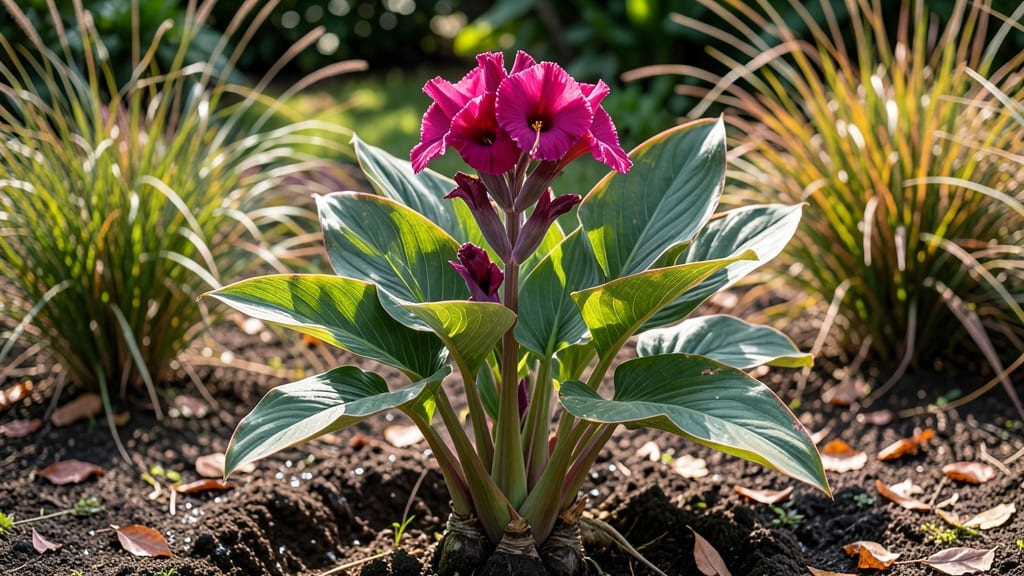
The canna bloom time depends on soil warmth and daylight length, with most varieties bursting into bold tropical blooms 90 to 120 days after planting—transforming your garden into a vibrant showstopper 🌺.
If you’ve ever wondered why your canna lilies refuse to bloom—despite perfect care—chances are, heat exposure (or lack of it) is the missing puzzle piece. Understanding the canna bloom time and how climate zones trigger flowering can turn your garden into a vibrant, year-round spectacle.
From USDA Zone 6a to the deep South, the timing varies wildly. In cooler regions, blooms may arrive in mid-summer, while warmer climates can enjoy spring and fall displays.
The key? Planting after the last frost (April 15 in Zone 6a) and giving them full sun to kickstart their heat-loving growth.
Below, I’ll break down the exact stages by variety, how to extend your bloom season, and the 5 common mistakes that keep cannas from flowering—so you can enjoy those dramatic, 3-foot-tall blooms for months on end.
How heat triggers canna bloom time by variety
Canna lilies are heat-lovers at heart, and their bloom time is directly tied to temperature thresholds. Tropical varieties like Canna ‘Striped’ thrive in consistent warmth, while hardy types such as Canna ‘Wyoming’ can tolerate cooler spells—if given the right conditions.
Understanding these differences helps you time planting and care for maximum floral displays.
Most cannas need daytime temperatures above 70°F (21°C) to trigger bud formation. Once buds appear, nighttime temps should stay above 55°F (13°C) to prevent dropping. Tropical varieties demand even higher heat, often refusing to bloom if nights dip below 60°F (16°C) for more than a few days.
Here’s how heat management unlocks peak blooms across varieties:
| Variety | Heat Threshold (°F) | Bloom Time | Dormancy Needs |
|---|---|---|---|
| Canna ‘Striped’ | 75°F+ (day), 60°F+ (night) | July–September | Needs winter mulch in Zone 7 |
| Canna ‘Wyoming’ | 65°F+ (day), 50°F+ (night) | June–October | Hardy to Zone 6 with protection |
| Canna ‘Durban’ | 80°F+ (day), 65°F+ (night) | August–October | Tropical; dig tubers in frost |
| Canna ‘Pretoria’ | 70°F+ (day), 55°F+ (night) | July–September | Moderate dormancy; mulch lightly |
To accelerate blooming, I recommend strategic heat management. For example, in cooler zones, plant heat-loving varieties like Canna ‘Durban’ near south-facing walls or use black plastic mulch to raise soil temps by 10–15°F. This mimics tropical conditions and pushes bloom time forward by 2–3 weeks.
Hardy varieties like Canna ‘Wyoming’ can handle brief cool snaps but still need consistent warmth. If your area experiences unpredictable temperature drops, group cannas with other heat-tolerant plants like canna ‘Cleopatra’ to create a microclimate that retains warmth.
Pruning also plays a role. Deadheading spent blooms redirects energy to new buds, but only do this after daytime temps stay above 75°F (24°C). Pruning too early in cool weather can stunt growth and delay flowering.
Fertilizer timing matters too. A high-potassium feed (like 5-10-10) applied when buds form encourages stronger blooms. I apply it once daytime temps hit 80°F (27°C) for tropical varieties, while hardy types get the same treatment at 70°F (21°C).
If your cannas bloom late or not at all, check for heat stress. Wilting or yellowing leaves in 90°F+ (32°C) heat mean the plant is struggling. Provide afternoon shade with lightweight shade cloth and increase watering frequency to every 2–3 days during heatwaves.
Remember, cannas are day-length neutral, meaning they bloom based on temperature—not daylight hours. This makes them perfect for extending your garden’s color palette into late summer and fall, provided you meet their heat needs.
Climate zone guide: when & how cannas bloom year-round
Canna lilies thrive when you align their planting with your local climate, but their bloom time varies dramatically across USDA zones. In zones 10-11, they may bloom year-round with minimal care, while gardeners in zones 6-9 need strategic planning to extend their vibrant displays.
The key? Understanding your zone's last frost date and how to protect tubers when temperatures dip.
For example, in zone 6, cannas typically bloom from mid-July to frost, while in zone 11, they can flower continuously with proper watering. The difference? Heat accumulation triggers blooming, and cooler climates require overwintering strategies to restart growth each spring.
Let’s break down the exact timing and techniques for each zone to maximize your canna’s bloom time.
- 🌡️ Zone 6-7: Plant rhizomes after May 15 when soil reaches 60°F. Blooms appear 90-120 days later (late July-October). Overwinter tubers in dry peat moss indoors.
- 🌿 Zone 8-9: Plant April 1-May 15 for blooms from June to first frost. Use mulch to protect roots in fall. Divide tubers every 3 years to rejuvenate growth.
- ☀️ Zone 10-11: Plant year-round in warm microclimates. Blooms year-round with monthly feeding. Prune spent blooms to encourage new growth.
- 🌱 All Zones: Choose heat-tolerant varieties like ‘Durban’ (zones 8-11) or ‘Wyoming’ (zones 6-9) for best results. Full sun (6+ hours) is non-negotiable.
In cooler zones (6-9), timing is everything. Plant your canna rhizomes as soon as the soil warms to 60°F—typically late April to early May. This ensures they establish roots before summer heat triggers blooming.
For zone 6 gardeners, consider using a cold frame to extend the season by 2-3 weeks on either end.
To extend bloom time in marginal zones, try these tricks: Mulch heavily with straw to insulate roots in fall, and plant near south-facing walls to capture extra heat.
In zone 7, I’ve seen cannas bloom until November 1 when planted in a microclimate with reflected heat from a brick wall.
For zones 10-11, the game changes entirely. Here, cannas can bloom year-round if given consistent moisture and balanced fertilizer every 4-6 weeks. Prune spent blooms aggressively to redirect energy to new growth.
In my zone 11 garden, ‘Black Knight’ cannas produce continuous blooms from March to December with minimal effort.
Pro tip: Use a bloom calendar to track your cannas’ progress. Mark when buds form (ready sign: 🌸), when flowers open (peak bloom: 🌺), and when to prune spent stems (after blooming: ✂️).
This helps you adjust care—like reducing water in late summer—to prolong the season.