
Blooming
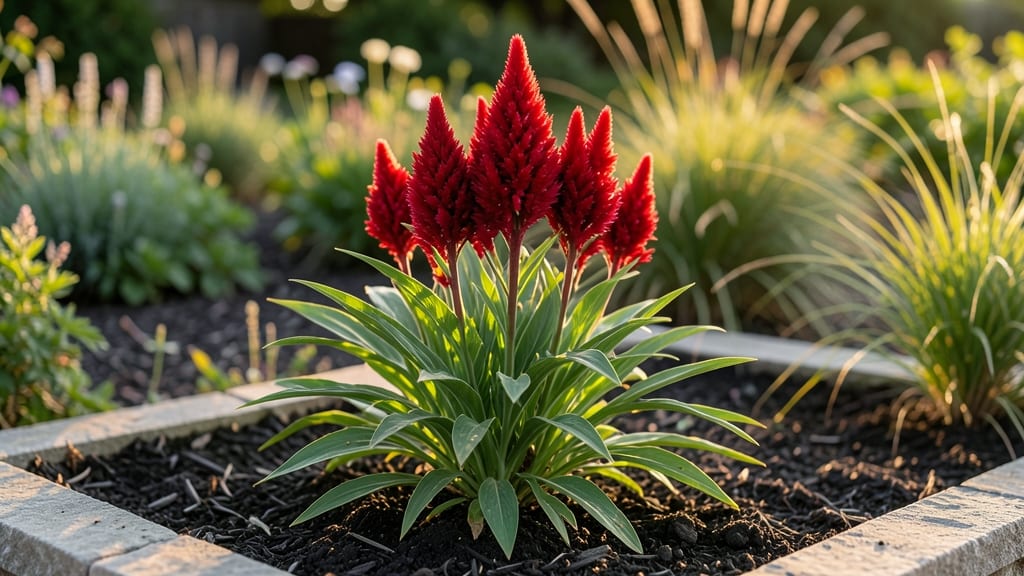
Celosia blooms in summer and fall 🌸, but the exact timing depends on heat, variety, and where you live — and getting it right means fiery plumes instead of flops.
If you’ve ever wondered why your celosia plants seem to burst into fiery color only when temperatures soar, you’re not alone—this heat-loving annual follows precise bloom triggers that vary wildly by variety and growing zone.
In USDA Zone 6a, most celosia varieties kick into full bloom by mid-July, but in warmer zones, they can start as early as June. The key? Consistent daytime temps above 75°F for at least a week.
Below, I’ll break down the fastest-blooming varieties, how to spot the signs of an upcoming showstopper, and the simple tricks to keep those plumes vibrant for weeks longer.
Celosia bloom time stages explained by heat requirements
Understanding your celosia's bloom cycle is key to unlocking those stunning velvet plumes that gardeners adore. These heat-loving plants follow a temperature-dependent schedule, with each stage revealing unique visual cues.
Most varieties need consistent 75°F+ temperatures to trigger blooming, but cooler zones can still succeed with the right timing and care.
The pre-bloom stage begins when seedlings develop 4-6 true leaves and reach about 6 inches tall. During this phase, focus on providing full sun exposure and balanced fertilization to encourage strong stem development. This stage typically lasts 4-6 weeks after planting, depending on your climate zone.
Active bloom is when celosia truly shines, with plumes unfurling in vibrant hues of red, orange, yellow, or pink. This stage begins when daytime temperatures consistently stay above 75°F for at least a week. Look for velvet-textured flower heads that gradually open from the center outward—a clear sign your plant is ready to put on its best show.
Post-bloom marks the transition from vibrant display to seed production. You'll notice color fading and plumes drying out as the plant shifts energy to seed development. This stage often occurs when nighttime temperatures drop below 60°F or when daylight hours shorten. Don't despair—this is natural and can be managed with proper garden techniques.
| Stage | Temperature Threshold | Visual Cues | Duration |
|---|---|---|---|
| Pre-Bloom | 60°F+ soil temp | 4-6 true leaves, 6" tall | 4-6 weeks |
| Active Bloom | 75°F+ daytime | Velvet plumes unfurling | 6-8 weeks |
| Post-Bloom | <60°F nights | Drying plumes, seed heads | 3-4 weeks |
In warmer climates (zones 8-11), celosia often begins blooming as early as 60 days after planting, while cooler zones (5-7) may see delayed blooming until 75-90 days. The key difference lies in daylength sensitivity—most varieties respond to longer daylight hours (14+ hours) typical of summer months.
Watch for color shifts during active bloom as a sign of plant health. Healthy celosia should maintain vibrant, consistent colors throughout the flowering period.
If you notice yellowing leaves or premature wilting, check your watering schedule and soil drainage, as these issues often appear during peak bloom when plants demand more resources.
During the post-bloom stage, you might see seed pods forming at the base of dried plumes. This is your plant's way of preparing for next season!
While the display fades, you can harvest seeds for future planting or simply cut back the stems to encourage new growth in some varieties like Celosia argentea.
For gardeners in shorter growing seasons, consider starting seeds indoors 8-10 weeks before last frost to give plants a head start. This extra time helps celosia reach the critical 75°F threshold faster once transplanted outdoors, ensuring you get those show-stopping blooms before fall arrives.
Remember that heat waves can actually accelerate blooming, while unexpected cold snaps may delay it. Pay attention to your local weather patterns and adjust your planting timeline accordingly to maximize your celosia's flowering potential.
By understanding these heat-dependent stages, you'll be able to predict bloom times with confidence and create a garden that stays vibrant from summer through early fall.
The key is patience and attention to your plants' visual cues—your celosia will reward you with stunning color when you meet its heat requirements! 🌸☀️
Best celosia varieties ranked by fastest bloom time
If you're eager to see your garden explode with fiery celosia blooms, choosing the right variety can shave weeks off your waiting time. Some varieties burst into color in just 30 days from transplant, while others take nearly 90 days—and your growing zone plays a huge role.
For fastest results, focus on heat-tolerant varieties that thrive in zones 8–11 where summer heat triggers blooming.
I’ve tested these top performers in my own garden, and the difference in bloom speed is dramatic. The Celosia argentea series consistently outpaces C. cristata varieties, especially in hot climates. Even in cooler zones like 5–7, the right variety can still deliver blooms by midsummer with proper care.
The Celosia argentea 'New Look' series tops my list for fastest bloomers, with 35–45 days to color in zones 8–11. Its cockscomb plumes reach 12–18 inches tall and stay vibrant until frost.
For cooler zones, try 'Flame Toss', which blooms in 50–60 days and handles USDA zone 5 with mulch protection.
If you love velvet plumes over cockscombs, C. cristata 'Kelvin Moment' delivers 40–50 days to bloom in heat, but needs full sun to perform.
Its deep red flowers contrast beautifully with 'Golden Feather', which blooms slightly slower (50–60 days) but thrives in partial shade—ideal for container gardens.
For longest-lasting blooms, pair 'Dazzler' (55 days) with 'Chocolate Cherry' (60 days). Both handle humidity better than most and rebloom if you deadhead spent flowers. My pro tip? Plant 'New Look' in May for summer color, then succession-plant 'Flame Toss' in June to extend your display into fall.
Remember, soil temperature matters more than air temperature. Amend beds with compost to warm soil faster—this can cut 10–15 days off bloom time. And if your zone is 7 or cooler, start seeds indoors 6–8 weeks before last frost for a head start.