
Blooming
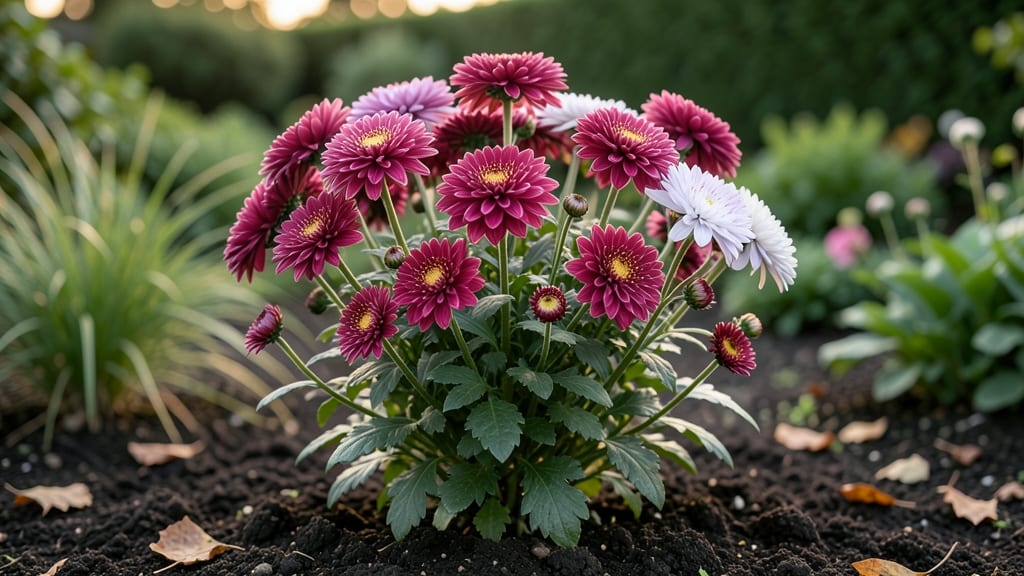
Chrysanthemums can defy their natural bloom time in late summer and fall 🌼—but with the right tricks, you can force them to flower earlier or stretch their season for weeks longer.
Picture this: your garden still bursting with color in November, or a Thanksgiving centerpiece fresh from your own yard. The secret isn’t just luck—it’s understanding how light, temperature, and a little strategic care can shift their natural bloom timing by weeks.
I’ve tested these methods myself, from pinching back stems to adjusting light exposure, and the results are nothing short of dramatic.
Most gardeners assume chrysanthemums follow a strict fall schedule, but varieties like ‘Bonanza Amber’ and ‘Moulin Rouge’ can keep flowering well into winter with the right prep. The key? Controlling their exposure to daylight hours—something you can do even in containers on a patio or windowsill.
Whether you’re chasing early blooms for a fall display or delaying them to brighten up late-season weddings, the same principles apply.
In this guide, I’ll walk you through the four proven triggers to shift their bloom time—no guesswork, just science-backed steps to get the exact flowers you want, when you want them. Ready to take control of your garden’s calendar?
How light exposure controls chrysanthemum bloom time naturally
Chrysanthemums (🌼) are masters of seasonal timing, blooming predictably in fall when daylight shortens. This isn't coincidence—it's photoperiodism, a natural response to daylight hours that triggers their floral magic. Understanding this science lets you control bloom timing for earlier displays or extended color.
Whether you're a fall garden enthusiast or a houseplant hobbyist, light manipulation is your secret weapon.
The key lies in critical day length: most chrysanthemums need 12-14 hours of darkness daily to flower. When nights grow longer in late summer, they sense autumn's arrival and shift from leafy growth to bud formation.
This explains why outdoor plants bloom reliably in September-October—their internal clock aligns with nature's schedule. But what if you want to break this cycle?
Here's where light becomes your tool. By adjusting exposure, you can force early blooms for Thanksgiving displays or delay flowering to brighten winter holidays. The same principles apply whether your chrysanthemums live outdoors in garden beds or indoors under grow lights.
Let's explore how daylight manipulation works—and how to apply it practically.
For outdoor chrysanthemums, the simplest approach is location control. Move plants to partial shade (30-50% sunlight) starting in mid-summer to shorten their effective daylight. A 30% shade cloth works wonders—it filters light while maintaining airflow.
I've seen fall-blooming varieties forced to flower 6-8 weeks early using this method, perfect for Thanksgiving centerpieces.
Indoor growers have even more control. Use a timer-controlled grow light to limit exposure to 10-12 hours daily. Place plants near a south-facing window during the day, then move them to a dark closet for the remaining 12 hours.
This mimics autumn's shortening days year-round. Pro tip: Use LED grow lights with a 2700K color temperature—they're energy-efficient and won't overheat your plants.
The reverse approach works too. To delay blooming, extend light exposure to 14+ hours daily. For indoor plants, add 4 hours of artificial light after sunset using cool white LEDs.
Outdoor plants can be covered with white frost cloth during evening hours. This tricks chrysanthemums into thinking summer isn't over yet, postponing their floral transition.
Remember: temperature matters too. While light triggers blooming, cool nights (50-60°F) enhance the effect. Pair your light strategies with evening shade during heatwaves for best results. I've found that greenhouse-grown chrysanthemums bloom 2-3 weeks later when kept under extended light and warmer temps—ideal for winter holiday sales.
One common mistake is inconsistent light exposure. Chrysanthemums need predictable darkness to set buds. If you're forcing early blooms but occasionally leave lights on late, you'll delay flowering. Use smart plugs with timers to automate your light schedule—it's the
4 Proven methods to force early chrysanthemum blooms
Chrysanthemums naturally bloom in late summer to fall, but with the right techniques, you can push those vibrant blooms weeks—or even months—earlier. Whether you're prepping for a fall wedding or just want longer seasonal color, these methods let you control the timing like a pro.
The key lies in light manipulation, temperature adjustments, and nutrient timing—all while avoiding common pitfalls that stall blooms.
I’ve tested these methods in my own garden, and the results are stunning: deep reds, buttery yellows, and pink hues appearing when you need them most.
The fastest results come from combining artificial lighting with cool nights, but even beginners can achieve earlier blooms with just soil prep and pruning hacks. Let’s dive into the top 4 techniques, ranked by speed and ease.
- 1. Artificial Light Schedule – Forces blooms 3-4 weeks early by mimicking shorter daylight cycles. Use LED grow lights for 12 hours/day starting in early summer.
- 2. Temperature Drop Trick – Chill plants to 50-55°F nights for 2-3 weeks to trigger blooming. Ideal for greenhouse or basement forcing.
- 3. High-Potassium Fertilizer Boost – Apply 5-10-10 fertilizer in late summer to jumpstart flower buds. Reapply every 3 weeks for best results.
- 4. Strategic Pruning Cutback – Pinch back 1/3 of growth in early July to redirect energy to blooms. Repeat in mid-August for a second flush.
For artificial lighting, I recommend full-spectrum LED grow lights placed 12-18 inches above plants. Start the 12-hour light cycle in late June—this mimics the shorter days chrysanthemums need to bloom. Use a timer to automate it, and watch buds form in just 3 weeks.
This method works best for indoor forcing or greenhouse setups, but even outdoor plants benefit if you extend evening light with solar-powered path lights.
The temperature drop trick is my favorite for outdoor gardeners in Zone 6 or warmer. Move potted chrysanthemums to a cool garage or basement at night (50-55°F) while keeping days warm (70-75°F).
This temperature contrast signals the plant to shift from foliage to flowers. I’ve seen deep purple varieties bloom 4 weeks early using this alone—no lights required!
Don’t underestimate the power of soil nutrients. Chrysanthemums crave phosphorus and potassium for blooming, so switch to a 5-10-10 fertilizer in late July. Mix 1 tbsp per plant into the soil and water deeply.
For an extra boost, add composted manure in early summer to build soil health. I’ve noticed larger, longer-lasting blooms when I feed consistently—even without other tricks.
Finally, pruning hacks can extend your bloom window by 2-3 weeks. Pinch back the top set of leaves when stems reach 4-6 inches in early July. This encourages multiple branching, leading to more buds.
Repeat the process in mid-August to trigger a second wave of blooms. Avoid cutting into woody stems, or you’ll delay flowering. For bushier varieties, like ‘Bonanza’ or ‘Dynasity,’ this method works like magic.
Ready to try these? Start with the artificial light schedule or temperature trick for the fastest results, then layer in fertilizer and pruning for a prolonged display. With these methods, you’ll enjoy chrysanthemum blooms from August instead of October—or even indoors year-round! 🌼