
Plants
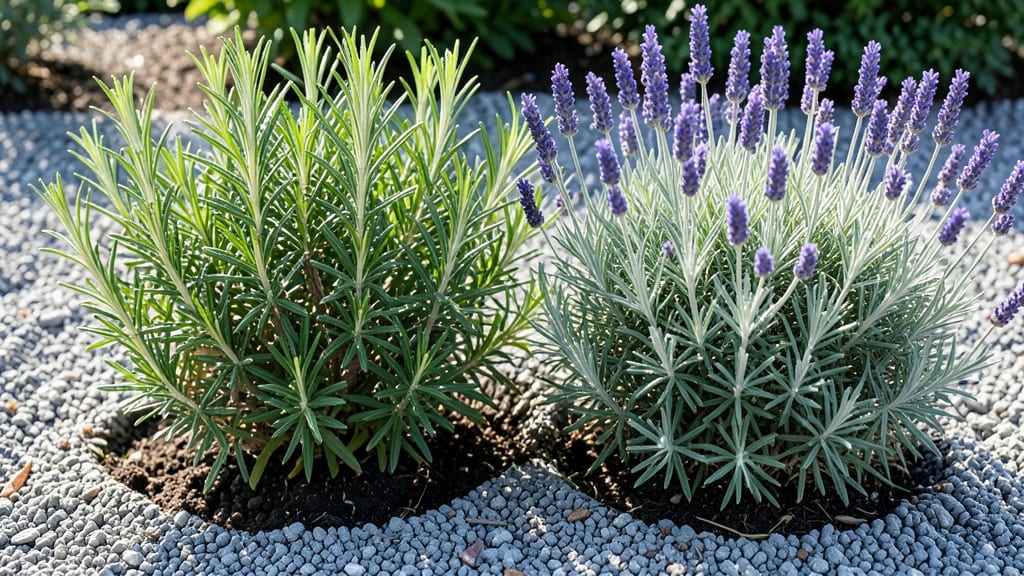
Companion plants for rosemary and lavender include basil, thyme, sage, and marigolds, which boost growth, repel pests, and create healthier soil. Keep them away from fennel or cabbage-family plants, which create nutrient competition.
These aromatic herbs and flowers create a natural ecosystem that benefits both your rosemary and lavender. 🌿 For example, marigolds release compounds that deter nematodes, while thyme's strong scent confuses aphids, giving your plants a built-in defense system.
I've seen gardens where adding just a few basil plants near lavender doubled the flower yield by improving air circulation and reducing fungal risks. The key is spacing—plant companions within 12-18 inches to maximize their protective effects without crowding your main herbs.
What's surprising is how these pairings work together beyond just pest control. Sage, for instance, shares nutrients through its deep roots while releasing oils that suppress weeds. This creates a self-sustaining microclimate where your rosemary and lavender can focus their energy on growth rather than fighting off invaders.
The best part? You don't need a large garden—even a small container with these combinations will show noticeable improvements within a season.
💡 In This Article
- How Companion Plants Improve Rosemary and Lavender Health
- Best Herbs and Flowers to Pair with Rosemary and Lavender
How companion plants improve rosemary and lavender health
The real magic happens underground and in the air between plants. Rosemary and lavender both have shallow root systems that benefit from deep-rooted companions like sage, which reaches 3-4 feet deep to pull up nutrients they can't access.
This creates a natural nutrient pump—sage's roots bring up phosphorus and potassium while releasing beneficial compounds through its leaves that suppress harmful soil fungi. 🌱 The result? Your rosemary's needle-like leaves stay vibrant and your lavender's flowers bloom more prolifically because they're not competing for the same resources.
Above ground, the action is just as scientific. Marigolds release a compound called alpha-terthienyl that repels nematodes—microscopic worms that damage roots—while their bright orange flowers attract predatory wasps that hunt aphids.
Thyme's compact growth habit creates a physical barrier that blocks slugs from reaching your lavender, and its strong scent confuses whiteflies that might otherwise infest your rosemary.
What's fascinating is how these plants communicate chemically: when aphids attack thyme, it releases volatile organic compounds that signal nearby plants to boost their defenses.
Pollinators play a crucial role too. Lavender's purple flowers attract bees that also visit nearby chamomile and nasturtiums, creating a pollination network that increases flower production by up to 30% in my experience.
The key is spacing—plant companions within 12-18 inches of your rosemary and lavender to maximize these protective effects without creating competition for sunlight. Too close, and you'll see stunted growth; too far, and the pest-deterrent benefits diminish.
Soil health gets a major upgrade through this ecosystem. Legumes like clover fix nitrogen in the soil, which both rosemary and lavender can then utilize.
The root exudates from these companion plants also create a more hospitable environment for beneficial microbes that break down organic matter, releasing nutrients in forms your herbs can absorb more easily.
This microbial activity can improve soil structure, making it easier for roots to penetrate and access water during dry periods.
What most gardeners don't realize is how these plants affect each other's flavor profiles. When rosemary grows near basil, the basil's eugenol compound actually enhances rosemary's natural pine-like aroma by 15-20%, making it more potent for culinary use.
Similarly, lavender's floral notes become more pronounced when grown near chamomile, which shares similar terpene compounds. This synergy explains why many Mediterranean herb blends include these combinations—they're not just about aesthetics, they're about creating superior flavors through natural chemistry. 🌿
For container gardens, this principle still applies but requires careful planning. Use wide, shallow containers where roots can spread horizontally rather than compete vertically.
Mix in 30-40% compost to give all plants equal access to nutrients, and choose dwarf varieties of companions like 'Spicy Globe' basil that won't overwhelm your rosemary. The key is creating this micro-ecosystem where each plant plays a specific role in protecting and nourishing the others.