
Blooming
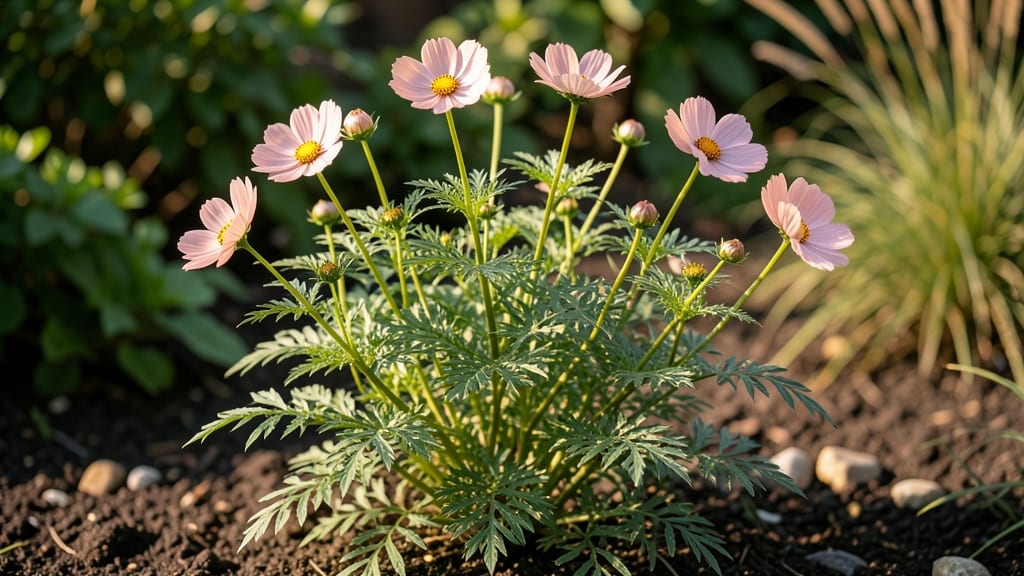
The cosmos bloom time depends on light exposure—plant them in full sun for 60-75 days to vibrant flowers, but cut that in half with the right tricks.
Struggling to get your cosmos flowers to bloom on time? These vibrant plants don’t just thrive—they respond to light in ways that can accelerate their first flowers by weeks.
Whether you're growing Cosmos bipinnatus or Cosmos sulphureus, understanding how sunlight triggers blooming is the key to a garden full of bright, cheerful blooms all season.
In USDA Zone 6a, planting in April or May means your cosmos could burst into color as early as June—or push into October with the right care.
But here’s the secret: it’s not just about planting at the right time, but also giving them the perfect light conditions to bloom faster.
From choosing the right variety to adjusting sunlight, I’ll show you 5 simple ways to speed up those first flowers and keep them coming longer. Ready to transform your garden into a nonstop bloom show?
How light exposure directly controls cosmos bloom time
Cosmos flowers are famous for their effortless beauty, but their bloom time isn't just luck—it's a direct response to light exposure. These sun-loving plants use a process called photoperiodism, where they "count" daylight hours to trigger flowering.
Understanding this science lets you control bloom timing with precision, whether you want earlier blooms or extended summer displays.
The key lies in day-length sensitivity. Most cosmos varieties bloom when days grow shorter, typically after the summer solstice. However, some varieties respond differently based on their sunlight requirements and genetic traits.
By manipulating light exposure, you can push blooms forward by 2-4 weeks or maintain flowers longer into fall.
Here’s the science: cosmos plants enter a vegetative growth phase when days are long (14+ hours), delaying flowers. Once daylight shortens (below 12-13 hours), they switch to reproductive mode, producing buds. This is why late spring plantings often bloom later than early spring ones.
Not all cosmos are equal. Dwarf varieties like 'Bright Lights' or 'Sensation Mix' typically bloom faster (60-75 days) than tall varieties like 'Seashells' or 'Cosmic Orange' (75-90 days).
The difference? Genetics and light thresholds. Dwarf cosmos often need slightly less intense light to trigger blooms, while giants thrive with full sun exposure.
🌱
| Variety | Optimal Sunlight | Bloom Trigger | Days to Bloom | Light Hack |
|---|---|---|---|---|
| Dwarf Cosmos ('Bright Lights') | 6-8 hours | 12-13 hour days | 60-75 days | Use shade cloth 30% in late summer |
| Semi-Dwarf ('Sensation Mix') | 8-10 hours | 11-12 hour days | 70-80 days | Plant in partial shade early |
| Giant Cosmos ('Seashells') | 10+ hours | 10-11 hour days | 75-90 days | Full sun + supplemental light |
| 'Cosmic Orange' (Standard) | 10+ hours | 9-10 hour days | 80-90 days | Early spring planting |
| 'Purity' (White) | 8-10 hours | 12-13 hour days | 65-75 days | Prune to encourage branching |
To accelerate blooms, focus on critical growth stages. The first 30 days after germination are when cosmos establish roots and leaves. During this time, they need consistent light (6+ hours daily) to avoid leggy stems. If your seedlings stretch toward light, they’ll delay flowering by 10-14 days.
Once plants reach 6-8 inches tall, they’re ready for light manipulation. For faster blooms, reduce daylight to 10-11 hours using shade cloth or strategic planting. This mimics shorter fall days and tricks the plant into flowering earlier.
In urban gardens with limited sun, supplemental grow lights (12-14 hours/day) can extend the vegetative phase, delaying blooms if you prefer taller plants.
Seasonal adjustments matter too. Plant cosmos in late spring (May-June) for summer blooms, or in early summer (July) to extend flowers into fall. The latter works because cooler temperatures slow growth, allowing light triggers to take effect sooner.
🌿
Pro tip: Monitor your cosmos’ leaf color. Healthy green leaves mean they’re photosynthesizing well, but yellowing or pale leaves signal light stress. Adjust shading or sunlight accordingly. For continuous blooms, deadhead spent flowers—this redirects energy to new buds and extends the flowering season by 3-4 weeks.
Remember, cosmos are day-neutral short-day plants, meaning they bloom when days shorten or when they reach maturity. By understanding their light thresholds, you can predict bloom times and even create a staggered display by planting successive batches every 2 weeks.
☀️
5 Practical light tricks to speed up cosmos flowering
Cosmos flowers thrive on sunlight, but not all gardens receive equal sun exposure. The key to faster blooming lies in understanding how to manipulate light conditions—whether you're in a sun-drenched rural plot or a shaded urban patio.
With the right techniques, you can shave 2-4 weeks off their bloom time while ensuring vibrant, long-lasting flowers. Let's explore how to optimize light for different cosmos varieties and garden layouts.
First, recognize that cosmos respond to day-length sensitivity. Most varieties bloom faster when exposed to 12-14 hours of daylight, which triggers their natural flowering cycle. In shorter days (like early spring or fall), you'll need to supplement light to maintain this rhythm.
Urban gardeners often face challenges with limited sunlight, but even small adjustments can make a big difference in bloom timing.
-
1Plant at the right time: Start seeds 6-8 weeks before last frost for early blooms. In Zone 6a, this means sowing in early April. Use grow lights for indoor starts to extend daylight to 14 hours.
-
2Use shade cloth strategically: In hot climates, reduce sunlight to 50-60% with shade cloth during peak summer hours. This prevents stress and extends bloom season by 3-4 weeks in Cosmos sulphureus.
-
3Supplement with LED grow lights: For urban balconies, use 12-hour daily light therapy (6 AM-6 PM) with 6400K LEDs. Place lights 6-12 inches above plants for optimal results.
-
4 Adjust for seasonal shifts: In late summer, move containers to south-facing spots to maximize light. For Cosmos bipinnatus, this can push blooms into early October.5Prune for bushier growth: Pinch back top growth when plants reach 12 inches. This encourages more side shoots and earlier flowering by redirecting energy to new stems.
For rural gardeners, the solution is often as simple as choosing the right location. Place cosmos in the sunniest part of your yard, preferably near a south-facing fence or wall that reflects additional light.
If your soil stays moist, cosmos can handle full sun exposure (6+ hours daily) without wilting, which is critical for rapid growth and early blooming.
In urban settings, container gardening offers flexibility. Use reflective surfaces like white trays under pots to bounce extra light onto leaves. For dwarf cosmos varieties, even a 3-4 hour daily boost from a south-facing window can trigger blooms 10-14 days earlier than outdoor-only plants.
Pair this with a balanced fertilizer (5-10-10) every 4-6 weeks to support vigorous growth.
Remember, cosmos are day-neutral plants, meaning they bloom regardless of daylight length—but they still respond to light intensity.
By combining these light tricks with proper watering (deep soaks every 3-5 days) and well-draining soil, you'll create the perfect conditions for cosmos to reward you with bold, continuous blooms from early summer to frost. 🌸