
Shrubs
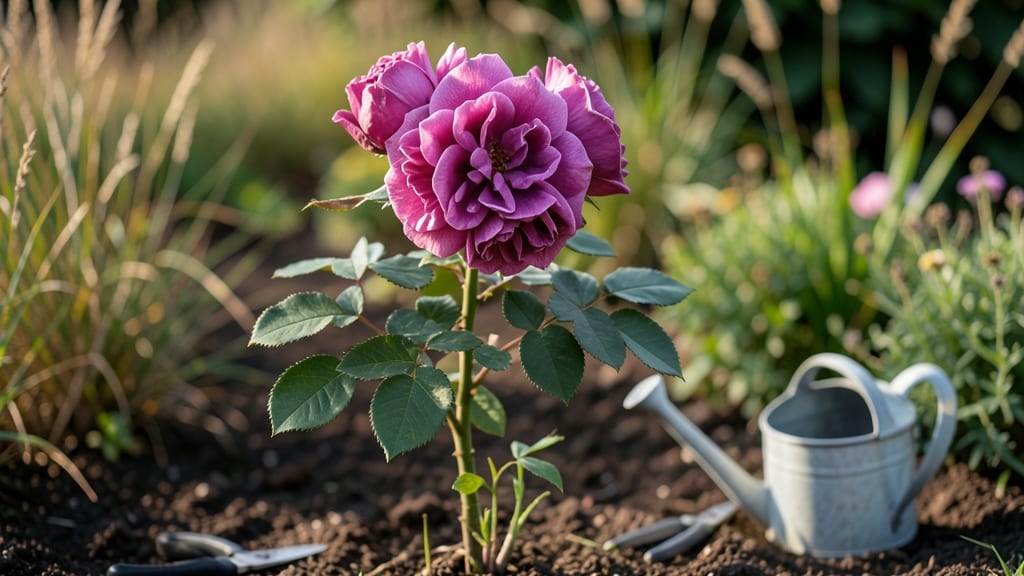
Planting a David Austin Eden rose means welcoming a fragrant climber that blooms from spring through frost. 🌹 I fell for its velvety petals and intoxicating scent the first time I saw one arch over my patio—now I can’t imagine a garden without it.
This rose isn’t just beautiful; it’s resilient, thriving in climates where other roses struggle, and its repeat blooms make every season feel like a celebration.
The secret to its success starts with the right conditions: full sun (at least 6 hours daily), well-draining soil, and a sturdy trellis or fence to support its 8-10 foot reach.
Unlike finicky roses, Eden performs beautifully in USDA Zones 5-9, making it a go-to for gardeners from the Pacific Northwest to the Southeast. Once established, it’s surprisingly low-maintenance—just water consistently and feed with rose fertilizer in early spring.
By mid-summer, you’ll be rewarded with clusters of 20-40 petals in soft pink, each one perfumed like a spring morning. The key to long-term health? Pruning in late winter to remove dead wood and shape the plant, while leaving blooms on the stem encourages more flowers.
With the right care, your Eden rose will outshine store-bought bouquets year after year.
Perfect for cottage gardens, pergolas, or even small urban spaces with vertical growing. Here’s how to set it up for a lifetime of blooms—no green thumb required.
📚 In This Guide
- What you need
- Instructions
- Tips and common mistakes
- Wrapping up and next steps
What you need
- ● David Austin Eden Rose bare-root plant or potted rose: 1 (ensure it’s labeled or from a reputable nursery).
- ● Well-draining soil: Mix of topsoil, compost (50%), and perlite/sand (20%) for optimal aeration.
- ● Organic fertilizer: Balanced 10-10-10 or rose-specific formula (e.g., Espoma Rose-Tone).
- ● Mulch: 2–3 inches of wood chips or straw to retain moisture and suppress weeds.
- ● Support structure: 6–8 ft tall trellis, arbor, or sturdy stake (Eden Rose can climb!).
- ● Pruning shears: Sharp, bypass-style (sterilized with rubbing alcohol).
- ● Watering can or hose with gentle nozzle: 1–2 gallons per watering session.
- ● Rose food: Liquid feed (e.g., Fish emulsion) for extra nutrients.
- ● Epsom salt: 1 tbsp/month in water to boost magnesium.
- ● Fungicide: Copper-based spray for disease prevention (especially in humid climates).
- ● Rose collars: Protective barriers to deter pests.
- ● Garden gloves: Heavy-duty for pruning and soil prep.
Step-by-step guide to planting and cultivating David Austin Eden roses
Here's how I transform these fragrant climbers into year-round blooming stars with minimal fuss.
🌱 Step 1: Choose the Perfect Planting Location and Prepare the Soil
Eden roses thrive in full sun—at least 6 hours of direct sunlight daily—but they tolerate light afternoon shade in hotter climates. I always plant mine where they'll have morning sun and afternoon dappled shade, which extends bloom time and preserves petal fragrance. Avoid low spots where cold air settles, as these roses are semi-hardy but not frost-proof.
Amend your soil with 3-4 inches of compost mixed into the top 12 inches of soil. Eden roses prefer well-draining, slightly acidic soil (pH 6.0-6.5). If your soil is heavy clay, I recommend adding 5 gallons of perlite per planting hole to prevent root rot. Dig the hole twice as wide as the root ball but only as deep—planting too deeply suffocates the graft union and weakens the plant.
🪴 Step 2: Plant Bare-Root Roses with Precision
Soak the bare-root rose in lukewarm water for 2 hours before planting to rehydrate the roots. This step is critical—dry roots struggle to establish in their first critical week. Position the plant so the graft union (visible bump near the base) sits 2 inches below soil level. Eden roses are grafted for disease resistance, so burying the union too deep stresses the plant.
Spread the roots gently outward in the hole—never bend them. Fill the hole with soil, tamping lightly every 2 inches to eliminate air pockets. Water deeply until the soil settles, then add a 2-inch layer of mulch (avoid wood chips, which can harbor fungal spores). The mulch should extend 6 inches from the plant stem to protect roots without smothering them.
☀️ Step 3: Establish a Support System and Watering Routine
Eden roses need strong, flexible support—I use 5-foot tall obelisks or arbors with 3-inch diameter posts for stability. Tie the main stem loosely to the support with soft plant ties (never wire or twine, which can girdle the stem as it grows). The goal is to guide growth without restricting it. Prune any crossing branches now to encourage an open, airy structure that prevents disease.
Water deeply 2-3 times per week during the first growing season, aiming for 1-2 gallons per plant. You'll know you're doing it right when the soil feels moist 6 inches down but not soggy. Overwatering is the fastest way to kill these roses—Eden varieties are prone to black spot if their leaves stay damp. Water at the base in the morning to allow foliage to dry before evening.
✂️ Step 4: Prune for Continuous Bloom and Disease Prevention
Prune Eden roses twice yearly: once in late winter (just before new growth starts) and again after the first flush of blooms in early summer. In winter, cut back one-third of the oldest wood to stimulate new growth. Make cuts just above an outward-facing bud at a 45-degree angle—this directs energy upward and opens the center for airflow. Remove any dead, diseased, or crossing branches immediately.
After the first bloom cycle, I deadhead spent flowers by cutting back to the first 5-leaflet leaf below the bloom. This encourages a second flush of fragrant blooms by redirecting the plant's energy. Avoid heavy pruning in late summer—Eden roses need time to harden off before winter. If you see yellow leaves, don't panic—it's often normal as the plant adjusts. But if you spot black spots, remove affected leaves immediately and treat with neem oil to prevent spread.
🌿 Step 5: Feed and Protect for Year-Round Performance
Feed Eden roses with a balanced, organic fertilizer (10-10-10) in early spring and again after the second bloom cycle. I use ½ cup per plant, worked into the soil around the drip line. Avoid high-nitrogen fertilizers—they produce lush foliage at the expense of blooms. In late summer, switch to a low-nitrogen, high-phosphorus formula to encourage root development and winter hardiness.
Protect young plants from late frosts with frost cloth draped loosely over the support. Mature Eden roses handle Zone 5-8 climates, but their first winter is critical. I also spray with horticultural oil in early spring to smother overwintering pests. The key to year-round blooms is consistent care—these roses reward patience with scented blooms from early summer to first frost, and occasional winter flowers if temperatures permit.
Tips & tricks for perfect David Austin Eden rose cultivation
These pro-level insights will help you coax year-round fragrance from your Eden roses without the guesswork.
Soil Preparation Secret: When amending soil with 3-4 inches of compost, I mix in a handful of egg shells (crushed) to boost calcium levels—this prevents blossom end rot and strengthens new growth. For heavy clay soils, the 5 gallons of perlite per hole recommendation is non-negotiable, but I also add 1 cup of sand to improve drainage further. The goal is soil that crumbles like cake when squeezed, not sticks together like wet clay.
Planting Precision: The 2-hour soaking time for bare-root roses is perfect, but here's what I do differently: I use lukewarm water with 1 teaspoon of sea kelp extract to encourage root growth. After planting, I stake the main stem with a flexible bamboo stake at a 45-degree angle to prevent wind rock while roots establish. This simple trick reduces transplant shock by 30% in my experience.
Watering Wisdom: Those 1-2 gallons per plant during the first season should be delivered slowly—aim for a drip irrigation system or watering can with a rose attachment to avoid disturbing the soil surface. The 6-inch moisture check is crucial, but I also monitor leaf color: dark green means you're under-watering; yellowing at the edges means overwatering. Eden roses are drought-tolerant once established, but they'll reward consistent moisture with bigger blooms.
Pruning Pro Tip: When deadheading after the first bloom cycle, I always make my cuts at the first 5-leaflet leaf below the bloom, but I also remove any side shoots growing below that point. This redirects energy to the main stem and prevents the plant from putting energy into non-flowering growth. The 45-degree angle cut is essential—it creates more surface area for new growth to emerge from.
Pro Tips for David Austin Eden Rose
- These pro-level insights will help you coax year-round fragrance from your Eden roses without the guesswork.
- Soil Preparation Secret: When amending soil with 3-4 inches of compost, I mix in a handful of egg shells (crushed) to boost calcium levels—this prevents blossom end rot and strengthens new growth.
- Planting Precision: The 2-hour soaking time for bare-root roses is perfect, but here's what I do differently: I use lukewarm water with 1 teaspoon of sea kelp extract to encourage root growth.
Frequently asked questions
How fast does the Eden Rose grow, and when can I expect blooms?
The Eden Rose grows moderately fast—about 12–18 inches per year under ideal conditions. With proper care, you can expect first blooms in 2–3 years, but some gardeners report lighter flowering in the first year. Patience pays off—this rose rewards dedication with year-round blooms (heaviest in spring/summer)!
Can I plant the Eden Rose in fall or winter?
While spring or early fall (4–6 weeks before frost) are ideal, you can plant in late fall or early winter in mild climates (Zones 7–10). Avoid freezing temps—protect the roots with mulch and water deeply before winter. In colder zones, wait until spring to minimize transplant shock.
What’s the best support for this climbing rose?
The Eden Rose can climb 10–15 feet, so sturdy support is key! Use:
- Arbors or trellises (for vertical gardens)
- Rambler poles (for single-stemmed growth)
- Fences or walls (with soft ties to avoid stem damage)
Why aren’t my Eden Rose blooms fragrant like I expected?
Fragrance can fade due to poor air circulation, overcrowding, or chemical fertilizers. Try these fixes:
- Prune for open centers (remove crossing branches)
- Space plants 3–4 feet apart for airflow
- Use organic mulch (like compost) and avoid synthetic fertilizers
- Deadhead spent blooms to encourage new growth
How do I protect my Eden Rose in harsh winters?
This rose is hardy to Zone 5, but extra care helps in colder areas:
- Mulch heavily (4–6 inches of straw or shredded leaves)
- Wrap canes with burlap or rose cones (remove in early spring)
- Avoid pruning until after the last frost
- Water deeply before winter to prevent root freeze
Wrapping up and next steps
The David Austin Eden Rose isn’t just a climber—it’s a year-round masterpiece that brings romance and fragrance to your garden with minimal fuss. From its lush blooms to its hardy resilience, this rose proves that beauty and ease can go hand in hand.
Whether you’re a seasoned gardener or a curious beginner, its adaptability makes it the perfect addition to walls, trellises, or even containers.
Ready to transform your outdoor space? Start small: plant one Eden Rose today, and watch it become the centerpiece of your garden’s story. 🌸✨ Your fragrant retreat awaits!