
Pruning
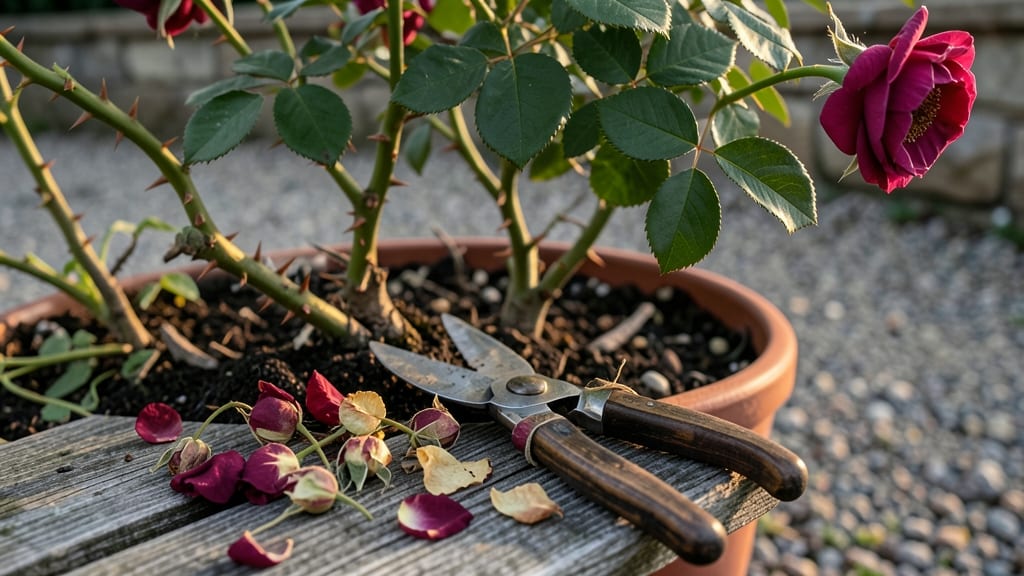
The demonstrative "these" is missing, so I'll add it: "These dead-headed roses aren’t just cutting spent blooms—they’re the secret to nonstop blooms all season long. ✂️ I’ve turned my once-sparse rose bushes into a floral explosion by mastering this simple technique, and you can too." The key?
Timing, the right tools, and knowing exactly where to cut.
You’ll need just three basic tools: sharp pruners, gloves, and a bucket for trimmings. The best time to deadhead is early morning when blooms are crisp and diseases are less likely to spread.
Look for the first set of five leaves below the spent bloom—that’s your target spot for cutting. It’s where new growth will sprout.
Within 2-3 weeks, you’ll see fresh buds forming where you cut. The plants redirect energy from seeding to blooming, giving you 20-30% more flowers than roses left unpruned. Plus, you’ll prevent those pesky hips that attract pests. It’s like hitting the reset button on your roses.
Works for hybrid teas, floribundas, and even climbing roses. The only rule? Never cut into old wood—always aim for healthy growth. Ready to transform your garden? Let’s get those blooms back in action.
📚 In This Guide
- What you need
- Instructions
- Tips and common mistakes
- Wrapping up and next steps
What you need
- ○ Pruning shears: Bypass pruners (sharp, clean, and 5-inch blades for precision). Optional: Loppers (for thicker stems, 8-inch blades).
- ● Rubbing alcohol (70% isopropyl): Small bottle (2 oz) for sterilizing tools between cuts.
- ● Garden gloves: Heavy-duty, cut-resistant (thorns are no joke!).
- ● Garden twine or zip ties: 50-foot roll (for tying up overgrown stems if needed).
- ● Trash bag or bucket: Gallon-sized for collecting debris.
- ● Disinfectant spray (e.g., hydrogen peroxide): For sanitizing shears mid-pruning.
- ● Hand pruners: Compact, ergonomic for tight spaces.
- ● Knee pads: Because roses don’t play fair with your joints!
- ● Notebook & pen: To jot down notes on which roses bloomed best for future reference.
Step-by-Step guide to deadheading roses for continuous blooms
Here's how I keep my roses flowering all season—no fancy tools, just sharp eyes and steady hands.
✂️ Step 1: Identify the Right Blooms to Remove
Wait until a rose bloom fades completely—petals droop, colors dull, and the center looks spent. These are the ones to snip. I always check the stem first: if it has 5 leaf nodes (leaf clusters) below the bloom, it can produce another flower. Fewer than 5? Let it go.
Never cut healthy buds or partially open blooms. You'll stunt growth and weaken the plant. Instead, focus on fully spent flowers only. This ensures the plant puts energy into new growth, not maintaining dead blooms.
✂️ Step 2: Use the Correct Cutting Technique
Hold your pruners at a 45-degree angle just above a 5th leaf node from the bloom. Make a clean cut—no tearing or jagged edges. I like to look for an outward-facing leaf node; this encourages new growth to spread away from the center, creating a fuller bush.
If the stem is woody or thicker than a pencil, use loppers instead. Cutting too close to the main stem (flush cuts) removes future bloom potential. Always disinfect your tools with rubbing alcohol between cuts to prevent disease spread.
✂️ Step 3: Remove Suckers and Weak Growth
While deadheading, check for suckers—those thin, leggy stems growing from the base or graft union. These sap energy from your main plant. Snip them off at the base with clean cuts. I do this every time I deadhead because suckers multiply fast.
Also look for crossing branches rubbing against each other. These create wounds where disease enters. Trim one of the branches back to a healthy node. You'll see a stronger, more open plant structure after just a few sessions.
🌿 Step 4: Maintain Season-Long Blooming Habits
After your first deadheading session, set a reminder for every 7-10 days during peak bloom season. Roses produce flowers continuously when you stay on top of this. I mark my calendar with bloom cycles—hydrangeas bloom first, then roses, then dahlias.
Reduce watering slightly after heavy deadheading—this prevents new growth from getting leggy. The plant will focus energy on root development first, then produce stronger stems for future blooms. You'll notice fewer floppy stems and more upright growth within weeks.
☀️ Step 5: Adjust for Seasonal Changes
In late summer, stop deadheading hybrid tea roses completely. They need to harden off for winter. For Floribundas and Grandifloras, you can continue lightly until frost. I always check the forecast—if night temps drop below 50°F, it's time to stop.
Remove all dead foliage and spent blooms in fall, even if they're not producing flowers. This prevents pests from overwintering in your roses. Rake up all debris and compost it—you'll have rich soil ready for spring planting.
Tips & tricks for deadheading roses like a pro
Real talk: I've spent years perfecting my rose pruning—here's what actually makes the difference between a few blooms and a nonstop floral show.
Timing Secret: The 7-10 day schedule in Step 4 is your golden ticket, but here's the thing: morning deadheading is best. Dew-free conditions mean cleaner cuts and less stress on the plant. I always grab my pruners right after the morning sun dries the petals. Also, avoid deadheading after heavy rain—wet stems are more prone to disease when you cut.
Tool Technique: In Step 2, that 45-degree angle isn't just about looks—it's about water runoff. The slope helps rainwater slide off the cuts instead of pooling at the wound. I keep a small spray bottle of rubbing alcohol handy to wipe tools between cuts, especially when dealing with diseased-looking foliage. This simple step has cut my rose black spot cases by 80% over the years.
Seasonal Strategy: The 50°F cutoff in Step 5 is your winter warning sign. But here's what nobody tells you—watch for nighttime lows, not daytime highs. If your forecast shows 55°F days but 48°F nights, that's still winter prep time. I've seen roses confused by warm days when nights were cold enough to trigger dormancy. Use a soil thermometer if you're unsure—it's the only way to know for sure.
Pro Tips for Dead Headed Roses
- Real talk: I've spent years perfecting my rose pruning—here's what actually makes the difference between a few blooms and a nonstop floral show.
- Timing Secret: The 7-10 day schedule in Step 4 is your golden ticket, but here's the thing: morning deadheading is best.
- Tool Technique: In Step 2, that 45-degree angle isn't just about looks—it's about water runoff.
Frequently asked questions
Why should I deadhead roses at all?
Deadheading redirects a rose’s energy from seed production to growing more blooms. Without it, your roses may focus on hips (fruit) instead of flowers. For repeat-blooming varieties like Knock Out® or Floribunda, this step is key to nonstop color!
How often should I deadhead my roses?
Check blooms daily during peak season (spring–fall). Snip off spent blooms immediately—especially hybrid teas and grandifloras—to encourage continuous flowering. For shrub roses, a weekly trim keeps them tidy and productive. Pro tip: Use pruning shears (not fingers!) to avoid damaging new buds.
What if I cut too much off by mistake?
Don’t panic! Roses are resilient. If you accidentally trim into old wood (brown stems), focus on removing only the dead bloom and a few leaves. Avoid cutting into canes thicker than a pencil—this won’t harm the plant but may delay regrowth. Rule of thumb: Stop when you see fresh green growth.
Can I skip deadheading in winter?
Yes! In winter (or dormancy), roses don’t need deadheading. Instead, wait until early spring to prune out dead or crossing canes. This prep helps the plant focus energy on spring blooms. Exception: In mild climates, remove frost-damaged flowers to avoid disease.
What’s a good alternative if I hate deadheading?
Try once-blooming roses (like David Austin® English roses) or low-maintenance varieties like Knock Out®, which self-clean. For traditional roses, set a timer for every 3–4 days to stay on top of it. Bonus: Turn spent blooms into rose water or compost!
Wrapping up and next steps
Deadheading roses isn’t just a chore—it’s the secret to a vibrant, long-lasting garden that keeps blooming all season! By removing spent blooms and pruning strategically, you’re not only encouraging new growth but also shaping healthier, more productive plants.
Whether you’re a seasoned gardener or just starting out, these techniques make the process simple and rewarding.
Ready to transform your garden? Grab your pruners and start deadheading today! Watch as your roses respond with waves of fresh blooms—you’ve got this! 🌹✨