
Blooming
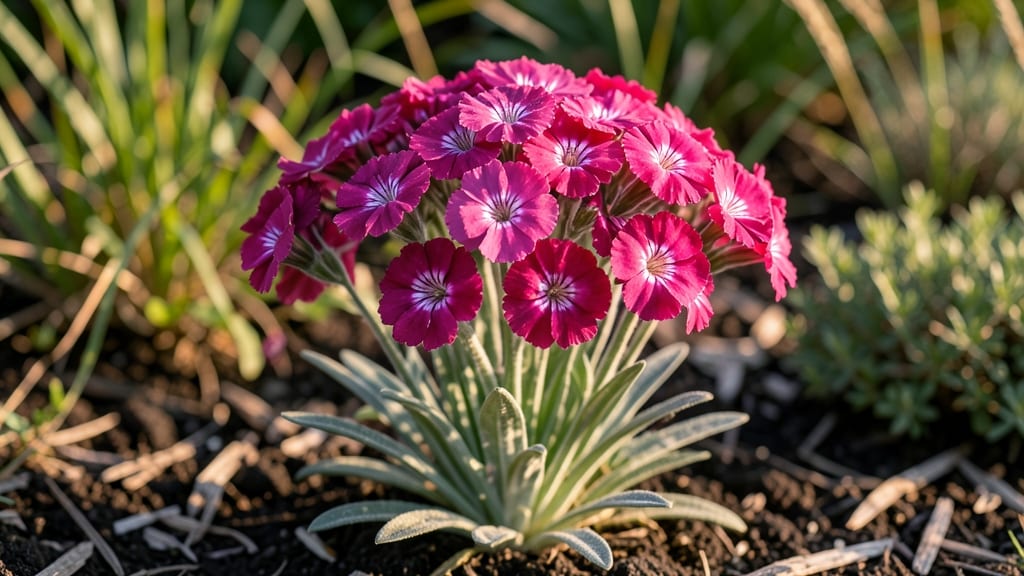
Dianthus blooms seasonally in response to heat cues, and knowing when to expect those vibrant 🌸 bursts can transform your garden from patchy to spectacular.
If you’ve ever planted dianthus hoping for vibrant blooms only to be met with silence, you’re not alone—this hardy perennial thrives on precise heat cues that most gardeners miss.
In USDA Zone 6a and warmer, spring-planted dianthus typically kicks off its show in late May or early June, with some varieties extending into August. But cooler zones or late frosts can delay things, while summer varieties might need a heat shock to rebloom.
Below, I break down the exact timing by zone, the best varieties for year-round color, and pro tips to force earlier or later blooms—so you’re never left wondering why your dianthus is playing hide-and-seek with its flowers.
How heat triggers dianthus bloom season by USDA zone
Dianthus plants are masterful at reading the weather forecast—specifically, heat thresholds between 50°F and 70°F trigger their bloom cycle. This thermal sensitivity explains why your zone 5 garden might burst with color in May while zone 9 neighbors see blooms in October.
The key lies in understanding how daytime highs and nighttime lows interact with your local climate.
Most gardeners assume dianthus blooms when days warm up, but the real magic happens when consistent daytime temperatures hit 60°F+ for 3+ weeks. This heat shock signals the plant to shift energy from foliage growth to bud formation.
However, overnight temperatures below 55°F can delay blooming until conditions stabilize—this is why urban microclimates often flower earlier than rural areas.
Let’s break down the thermal bloom triggers by USDA zone, including regional timing quirks and how to adjust for urban heat islands or coastal breezes. The comparison table below shows average bloom windows, but remember: your local weather patterns can shift these by 2-4 weeks.
In zones 3-4, dianthus waits for soil temperatures to reach 55°F before blooming, often aligning with last frost dates. The 50°F nighttime threshold is critical—drops below this can stall buds until conditions stabilize.
For example, Chicago gardeners (zone 5) typically see blooms by June 1st, but a late spring frost might delay them until June 15th.
Moving to zones 7-10, the story changes dramatically. Here, heat stress becomes the enemy—dianthus often enters summer dormancy when daytime temps exceed 80°F.
In zone 9, I’ve seen ‘Firewitch’ dianthus bloom in December when cool ocean breezes drop nighttime temps to 60°F, while inland areas might see no blooms until October.
Urban gardens experience earlier blooms due to heat island effects. Concrete and asphalt absorb heat, raising soil temperatures by 5-10°F compared to rural areas. To compensate, I recommend planting in raised beds with lightweight mulch (like straw) to prevent root overheating.
In zone 6 cities, this can push blooms 2 weeks earlier than expected.
Coastal gardeners face the opposite challenge: delayed blooming from marine layer fog and salty winds. In San Francisco (zone 9), dianthus often waits until late May to bloom because morning fog keeps daytime highs below 65°F.
To counteract this, I’ve had success using frost blankets at night to create a warmer microclimate around plants.
For reblooming varieties like ‘Matrona Grasse’, the secret is heat shock training. After the first flush of blooms, allow plants to stress slightly (let soil dry between waterings) for 2 weeks.
Then, resume regular care—this tricks the plant into thinking seasonal change is happening, prompting a second bloom cycle in late summer
Best dianthus varieties for extended bloom seasons
Choosing the right dianthus variety can transform your garden from a seasonal flash to a continuous color show. Some varieties bloom for just 4-6 weeks, while others stretch their performance into 8-10 weeks with proper care.
The key lies in selecting heat-tolerant cultivars that rebloom after heat shock—a trait many gardeners overlook when picking annuals.
If you live in USDA Zones 5-8, your best bets are varieties that handle summer heat waves without wilting. These reblooming champions often need just a short cool snap to reset their cycle, then burst back into bloom.
Let’s explore the top 6 varieties that deliver extended seasonal interest with minimal fuss.
‘Firewitch’ is a heat-resistant powerhouse with deep magenta blooms that thrive in full sun exposure. It typically blooms from late spring to early fall, with a 3-4 week break during peak summer heat. The secret to its extended performance? Deadheading weekly and ensuring well-draining soil to prevent stress.
For cool-climate gardeners in Zones 3-5, ‘Matrona Grasse’ is a reblooming legend with pink and white bi-color blooms. Unlike many varieties, it reblooms after heat shock, making it perfect for late-summer color. Pair it with ‘Hot Papaya’ for a sunset-hued display that lasts 6-8 weeks with proper care.
If you’re chasing year-round interest, ‘Moonlight’ is your best bet for Zones 6-9. Its creamy white blooms appear in early spring, fade slightly in summer, then rebloom in fall if given a light frost trigger.
This variety also handles partial shade better than most, making it versatile for urban gardens with limited sun.
To maximize bloom duration, I recommend mulching heavily in summer to retain soil moisture and fertilizing lightly every 4-6 weeks with a low-nitrogen formula (like 5-10-10). Avoid overwatering—dianthus roots rot quickly in soggy conditions, which can halt blooming entirely.
Pro tip: Shear back plants by 1/3 after their first summer bloom. This triggers compact growth and often resets the flowering cycle for a second flush of blooms in late summer or fall.
Just be sure to do this after a heat wave—dianthus needs that temperature drop to reboot.