
Blooming
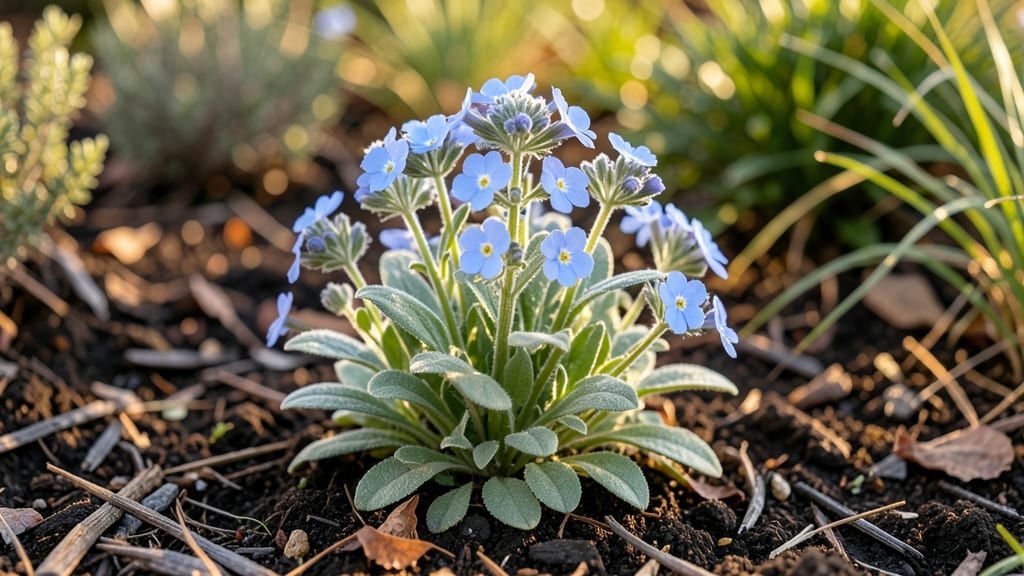
Forget-me-nots do not bloom all summer; most varieties flower in early spring for 4-6 weeks, though some reblooming types like Myosotis sylvatica may produce sporadic blooms later if deadheaded. Cool-season plants thrive best in spring and fall conditions.
Forget-me-nots are cool-season plants, meaning they naturally follow a seasonal bloom cycle tied to temperature shifts. 🌸 Their primary flowering window occurs in early spring when days grow longer and soil warms slightly, though they can't sustain continuous blooms through summer's heat.
The Myosotis sylvatica variety stands out as an exception—its sporadic summer blooms result from careful deadheading, where spent flowers are removed to encourage new growth. This reblooming behavior is more common in perennial types than annuals, which typically produce a single flush of flowers before fading.
What makes these flowers so popular is their resilience in cooler climates, where they thrive even after the main bloom period. Many gardeners extend their display by planting them in partial shade during summer months, which helps preserve moisture and prevents the stress that triggers dormancy.
The key to maximizing blooms lies in understanding their natural rhythms—cool nights and moderate days create ideal conditions for prolonged flowering.
💡 In This Article
- Why Forget-Me-Nots Bloom Seasonally
- How to Extend Forget-Me-Not Blooms in Your Garden
Why forget-me-nots bloom seasonally
Forget-me-nots (Myosotis spp.) follow a strict seasonal rhythm because they're cool-season plants, meaning their growth and flowering are triggered by temperature shifts rather than continuous warmth. Their blooming cycle begins when soil temperatures rise to 45-55°F in early spring, signaling the plant to produce flowers.
This timing aligns with their natural habitat in temperate regions where summer heat would stress or kill them. The short bloom window—typically 4-6 weeks—is an evolutionary adaptation to maximize reproduction before summer drought or heat sets in. 🌿
The key mechanism is photoperiod sensitivity: forget-me-nots detect increasing daylight hours in spring, which stimulates flower production through hormonal changes. As temperatures climb above 75°F, these plants enter dormancy to conserve energy, a survival strategy shared with other cool-season annuals like pansies.
Perennial varieties like Myosotis sylvatica can produce sporadic summer blooms because they've built up stronger root systems, but this requires careful deadheading to remove spent flowers and redirect energy to new growth.
Annual forget-me-nots, like Myosotis discolor, complete their entire life cycle in one season, blooming profusely in spring but fading entirely by midsummer. Perennials, however, can rebound in fall when temperatures dip again, producing a second (though usually smaller) flush of blooms.
This seasonal pattern explains why gardeners in warmer climates often struggle—continuous heat disrupts the plant's natural cues, leading to early decline rather than prolonged flowering. 🌡️
Comparing forget-me-nots to summer-blooming perennials like coneflowers highlights their fundamental difference: while coneflowers thrive in 75-85°F conditions, forget-me-nots wilt under similar heat. Their delicate nature makes them ideal for spring borders or containers that can be moved to shaded spots during summer months.
The trade-off is their fleeting beauty—once the bloom cycle ends, the plants either die back (annuals) or go dormant (perennials) until cooler weather returns.
Understanding this seasonal behavior helps gardeners set realistic expectations. Planting forget-me-nots alongside summer annuals (like zinnias) creates a staggered display, ensuring continuous color from spring through fall. The key is to embrace their natural rhythm rather than fighting it—cool-season plants simply aren't built for summer's intensity. 🌸