
Blooming
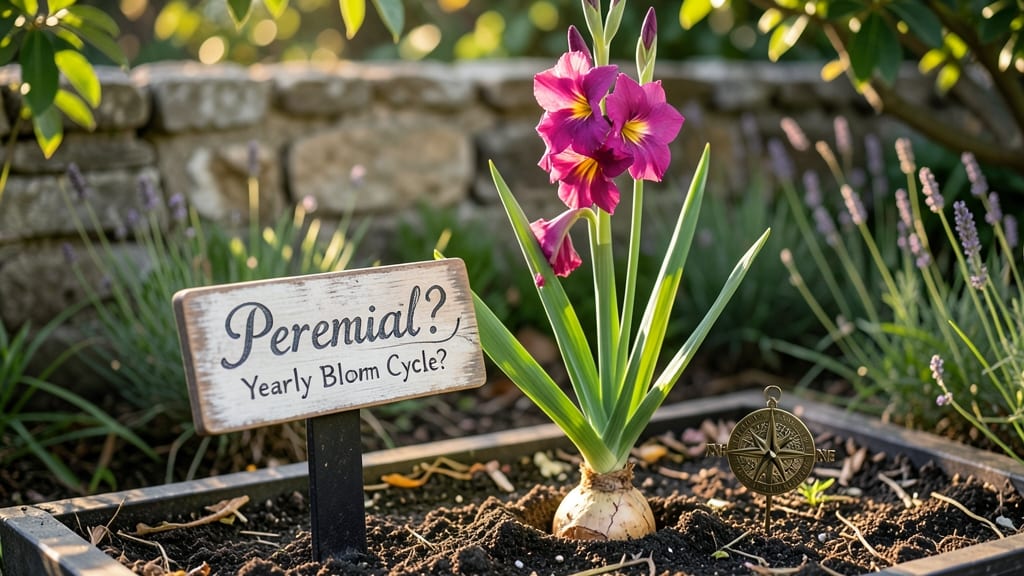
Gladiolus do not bloom every year—they are typically biennial, flowering in their second year before declining. However, two varieties (e.g., Gladiolus dalenii and G. psittacinus) may rebloom annually under ideal conditions with proper care and division every 2-3 years.
Most gladiolus follow a two-year bloom cycle because they store energy in their underground corms during their first growing season. 🌱 This biennial pattern is hardwired into their biology—think of it as nature's way of ensuring they have enough reserves before producing flowers.
The two exceptions (Gladiolus dalenii and G. psittacinus) break this rule by adapting to specific climates where consistent warmth and moisture let them bloom reliably each year.
If you're growing regular gladiolus and want more flowers, focus on dividing your corms every 2-3 years to refresh their energy stores. I've found that planting them in well-draining soil with full sun exposure and fertilizing with phosphorus-rich amendments (like bone meal) gives them the best shot at reblooming.
The key is balancing their needs—too much nitrogen makes them grow leaves but skimp on flowers.
💡 In This Article
- Why Most Gladiolus Are Biennial Flowers
- How to Encourage Repeat Blooming in Gladiolus
Why most gladiolus are biennial flowers
The biennial nature of gladiolus stems from their energy storage mechanism in underground corms. During the first growing season, these corms focus on building reserves rather than flowering. This is similar to how onions or garlic store energy in bulbs before blooming.
The corm's primary job in year one is to develop a strong root system and accumulate starches, which can take up to 6-8 months of consistent warmth and moisture.
Flowering is triggered by specific environmental cues, primarily day length and temperature. Most gladiolus varieties require 10-12 hours of daylight combined with cooler nights (55-60°F) to initiate bloom formation. This photoperiod sensitivity explains why they often bloom in late summer—when days begin shortening.
The corms then divert their stored energy toward flower production, which exhausts their reserves and leads to dormancy afterward. 🌿
This biological strategy ensures survival by preventing energy depletion during harsh seasons. Unlike annuals that complete their life cycle in one year, biennials like gladiolus spread their energy demands over two years. The trade-off is that after flowering, the corms often decline unless you intervene with division or proper care.
This is why gardeners frequently dig up and separate corms every 2-3 years—to refresh their energy stores.
There's a fascinating exception in tropical varieties like Gladiolus dalenii, which evolved in warmer climates where seasonal temperature shifts are minimal. These plants can bloom annually because their corms don't experience the same dormancy triggers.
Instead, they maintain consistent growth patterns year-round, similar to how tropical orchids continue flowering without seasonal breaks. The key difference lies in their genetic adaptation to stable climates.
For most gardeners, this biennial cycle means planning ahead. If you want reliable blooms, you'll need to plant new corms each year or carefully manage your existing ones.
The good news is that with proper division techniques, you can extend a single corm's productivity for multiple seasons by keeping it well-fed and dividing it before it becomes overcrowded. This practice mimics their natural energy renewal process in the wild.
Understanding this cycle helps explain why gladiolus often produce fewer blooms in their second year compared to the first. The plant is essentially "paying back" the energy it stored during its first growing season.
This is why gardeners often say gladiolus are "one-and-done" unless you take active steps to refresh them. The biology behind this makes perfect sense when you consider how energy-intensive flower production is compared to leaf growth.
What's particularly interesting is how this compares to other bulbous plants. Tulips, for example, also follow a biennial pattern but with shorter storage cycles (typically 1 year
Gladiolus corms are more resilient and can last 3-5 years with proper care, but their flowering energy demands make them behave differently. This is why they're often called "the diva of the garden"—they demand attention to perform at their best. ✨