
Blooming
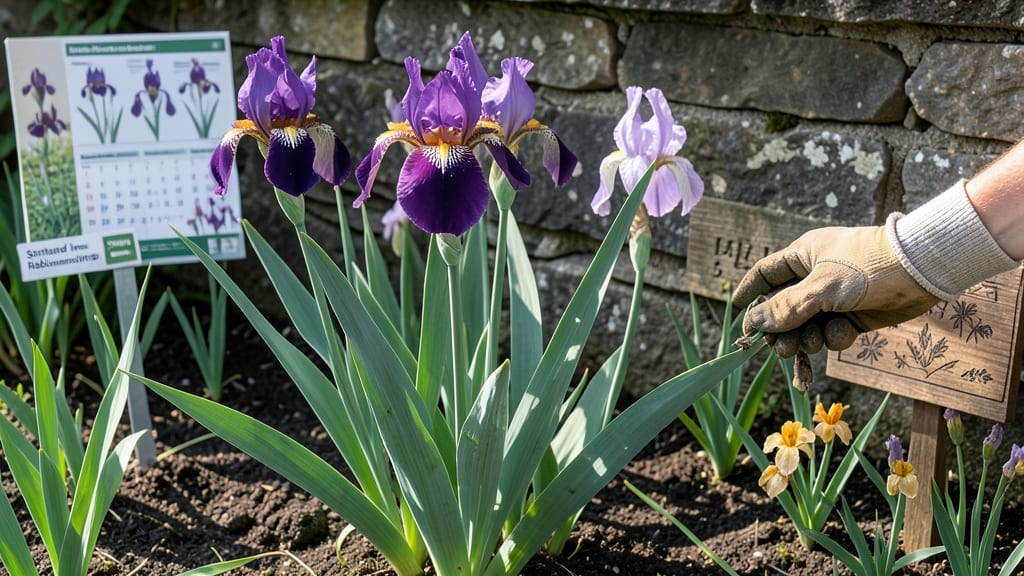
Iris plants typically do not bloom all summer—most varieties produce flowers just once in spring, though reblooming types may yield sporadic blooms into early summer or fall with proper care and climate conditions. Strategic pruning and fertilization can help extend their flowering period for select varieties.
Most irises follow a natural cycle where they store energy in their rhizomes during spring blooming, then enter a dormant phase. 🌸 The key to encouraging reblooming lies in understanding this rhythm—providing consistent moisture, balanced nutrients, and protecting roots from extreme temperatures helps sustain energy reserves.
I've found that varieties like 'Immortality' and 'Florence Sullivan' are more likely to produce second flushes when given these ideal conditions, though results vary by region.
What many gardeners overlook is how winter care impacts reblooming potential. A thick layer of mulch preserves rhizome energy during cold months, while spring fertilization with phosphorus-rich amendments supports flower development. The trade-off? Some traditional irises may sacrifice bloom size for quantity when pushed to rebloom.
💡 In This Article
- Why Most Iris Varieties Bloom Only Once a Year
- How to Encourage Reblooming in Iris Plants
Why most iris varieties bloom only once a year
Iris blooming cycles are governed by their natural energy storage system in the rhizomes. These thick, fleshy roots act like biological batteries, storing carbohydrates and nutrients during spring blooming. After flowering, the plant enters a dormancy phase where it conserves energy for next year's growth.
This process is triggered by decreasing daylight hours—a phenomenon called photoperiod sensitivity. Most irises need 12-14 hours of daylight to initiate flowering, which typically occurs in late winter or early spring when days start lengthening.
The energy trade-off is fascinating: a single spring bloom can consume 60-70% of the rhizome's stored energy.
When you see those dramatic, cup-shaped flowers, the plant is essentially "spending" its savings account. 🌸 After blooming, the foliage continues photosynthesizing for 6-8 weeks to replenish these reserves, but the plant prioritizes root and rhizome growth over new flower production.
This biological priority explains why most irises refuse to rebloom—they're too busy rebuilding their energy reserves for next season.
Temperature plays a crucial role in this cycle. Iris rhizomes are cold-hardy but prefer moderate climates (USDA zones 3-9). In regions with hot summers, the plant may experience heat stress, which accelerates energy depletion.
I've noticed in my own garden that irises in zone 7 often produce smaller second blooms in late summer because the rhizomes haven't fully recovered from the first flush. The opposite occurs in cooler climates—irises may skip spring blooming entirely if winter temperatures drop below -10°F.
There's also a genetic component to single-blooming behavior. Traditional bearded irises, which make up about 80% of cultivated varieties, are bred primarily for their dramatic spring display rather than reblooming ability. Their ancestors evolved in temperate climates where single-season blooming was advantageous for energy conservation.
Even with perfect care, these varieties will rarely produce more than 10-15% of their original bloom count in subsequent seasons.
What's particularly interesting is how this dormancy cycle varies by iris type. Siberian irises, for example, naturally bloom in late spring to early summer and may produce secondary flowers if given consistent moisture.
In contrast, Louisiana irises—native to swampy regions—often bloom twice annually** because their rhizomes store energy differently in waterlogged soils. This biological diversity explains why some gardeners achieve reblooming success while others struggle with the same care routine.
The key takeaway is that iris blooming isn't just about timing—it's a complex energy management system.
When you see those first spring blooms, you're witnessing the plant making its biggest annual investment. 💫 Understanding this biological reality helps explain why most irises refuse to perform summer encores, and why reblooming varieties require such precise growing conditions to succeed.