
Blooming
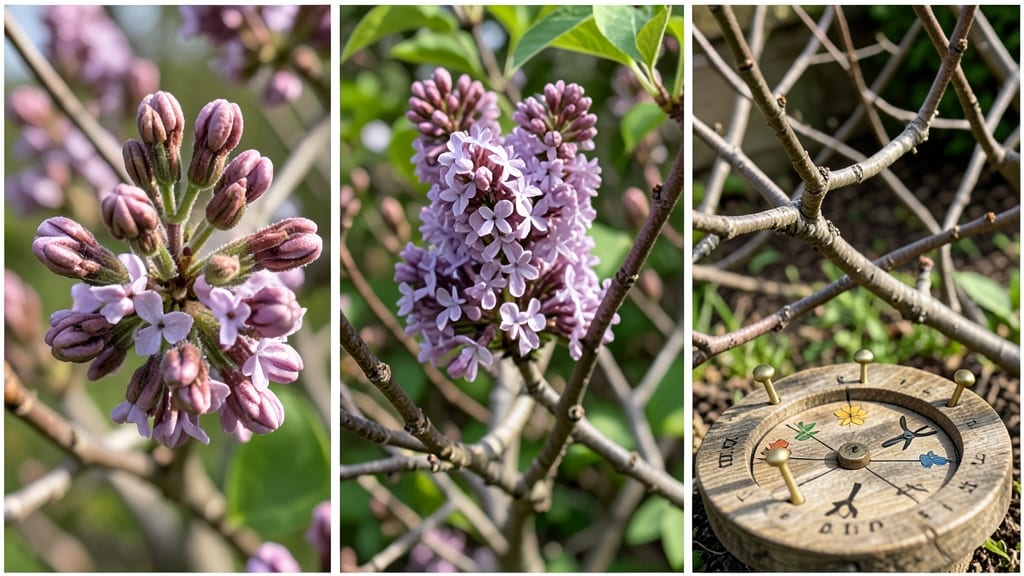
Lilacs bloom every year once established, though some varieties may skip blooming in harsh winters or with poor growing conditions. Most healthy, mature lilacs produce abundant spring flowers annually, though environmental stress can affect timing and quantity.
Lilacs are famous for their reliable spring blooms, but their consistency depends on a few key factors. 🌸 The plants store energy in their roots and stems during winter, which fuels the next year's flowers—so healthy soil and proper winter care make all the difference.
Some older varieties, like 'Katherine Haviland,' are particularly dependable, while newer hybrids might need extra attention to bloom predictably each season.
What's interesting is how lilacs "bud out" differently each year. The buds that form in late summer determine next spring's flowers, so protecting them from late-season frosts or heavy snow is crucial for consistent blooming.
I've noticed that lilacs in milder climates often bloom earlier and more reliably than those in colder regions, where winter stress can delay or reduce flowering.
💡 In This Article
- Factors Affecting Lilac Annual Blooming Cycles
- Tips to Ensure Lilacs Bloom Reliably Each Year
Factors affecting lilac annual blooming cycles
Lilacs rely on a complex interplay of environmental factors to bloom annually. The most critical element is photosynthesis—healthy foliage during the growing season stores carbohydrates in the plant's roots and stems, which fuel next spring's flowers.
Varieties like 'Sybille' or 'Mme. Lemoine' thrive in full sun (6-8 hours daily), where they can produce 10-20% more flower buds than shade-grown plants. Without sufficient sunlight, photosynthesis slows, reducing energy reserves for blooming.
Temperature plays a dual role: lilacs need chilling hours (below 45°F) during winter to break dormancy, but extreme cold (< -20°F) can damage flower buds. Most lilacs require 500-1,000 chilling hours annually—too little (as in warm winters) delays blooming, while too much (like in Zone 3) can stress the plant.
Soil health also matters: well-drained, slightly alkaline soil (pH 6.5-7.5) ensures proper nutrient uptake, while compacted or acidic soil limits root growth and flower production.
The timing of bud formation is fascinating—lilacs develop flower buds in late summer (July-August) from the previous year's growth. These buds remain dormant through winter, so any late-season frost or heavy snow can damage them before they even open.
In my garden, I've seen 'Henry Eilers' lilacs skip blooming entirely after a 20°F freeze in March, as the buds couldn't survive the late cold snap. This explains why some gardeners in unpredictable climates report inconsistent blooming.
Water stress is another silent blooming killer. Lilacs are drought-tolerant once established, but prolonged dry spells (especially during bud formation) can reduce flower quantity by up to 40%. The plant prioritizes root survival over blooming when moisture is scarce.
Even overwatering causes problems—waterlogged roots can't absorb nutrients efficiently, leading to weak growth and fewer flowers. Mulching with 2-3 inches of wood chips helps maintain soil moisture while protecting roots from temperature swings.
Finally, age matters: young lilacs (under 3 years) may bloom lightly or not at all, as they're still building energy reserves. Mature plants (5+ years) typically produce 50-100 flower spikes annually, but this declines with age unless rejuvenated through pruning.
Some heirloom varieties like 'Purple Robe' can live for 50+ years, but their blooming intensity often fades after 20 years without proper care.
What most gardeners don't realize is that lilacs are determinate bloomers—they flower on old wood (last year's growth), not new shoots. This means aggressive summer pruning can remove next year's flower buds entirely.
The plant's survival instincts override blooming when stressed, which is why consistent care matters more than occasional neglect.