
Blooming
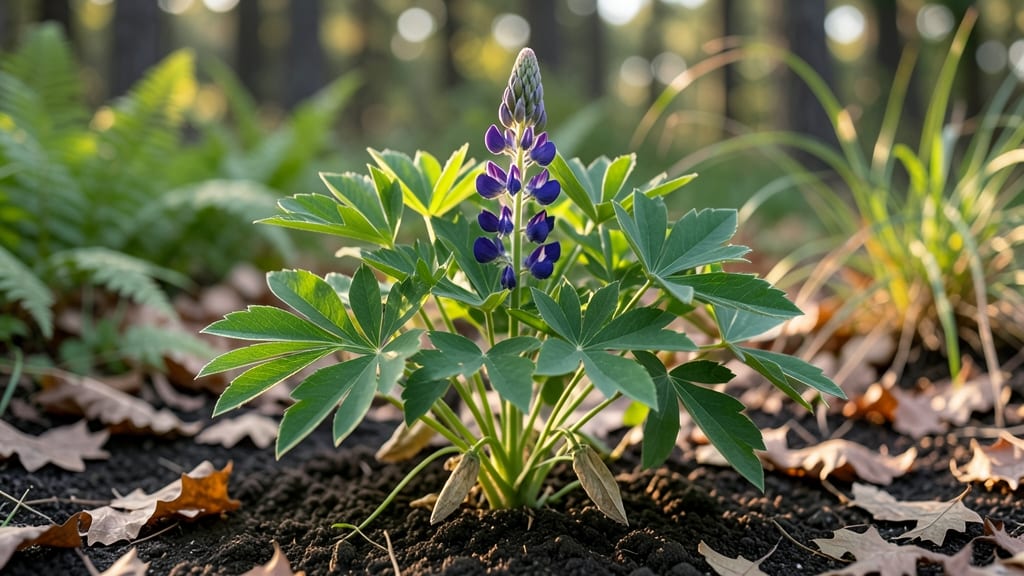
Lupines typically do not bloom the first year because they focus on establishing strong root systems and foliage before flowering, though some fast-growing varieties may produce sparse blooms under ideal conditions.
Most lupines prioritize root development over flowering in their first year, a survival strategy that ensures they have the energy reserves to thrive long-term. 🌱 This focus on building a robust root system means you'll usually see lush green foliage rather than vibrant blooms during the initial growing season.
Varieties like the Arcticus or Russell Hybrid lupines are exceptions, sometimes producing a few flowers if given perfect growing conditions—think well-draining soil, consistent moisture, and full sun exposure.
What's fascinating about lupines is how they time their flowering based on environmental cues. Many varieties wait until their second year to bloom in earnest, when they've stored enough nutrients in their deep roots.
This delayed gratification pays off with showy spikes of blooms in subsequent seasons, often lasting from late spring through summer. If you're eager to see flowers sooner, consider planting fast-maturing varieties or providing them with extra phosphorus-rich fertilizer during their first growing season.
💡 In This Article
- Why Lupines Delay Flowering in Early Growth Stages
- How to Encourage First-Year Lupine Blooms
Why lupines delay flowering in early growth stages
Lupines prioritize root development over flowering in their first year due to a survival mechanism called determinate growth. This means their energy is directed toward building a deep, extensive root system—often reaching 3-5 feet deep—before producing flowers.
The roots store carbohydrates and nutrients, acting like a natural battery that fuels future growth. 🌱 This strategy ensures the plant can withstand drought and poor soil conditions, which is especially critical for lupines native to Mediterranean climates where water scarcity is common.
The botanical reason lies in their photosynthetic allocation. During the first year, lupines produce broad leaves that maximize sunlight absorption, converting it into energy for root expansion rather than flower production.
Studies show that lupine seedlings allocate 60-70% of their photosynthetic output to root growth, leaving only 10-20% for above-ground structures like stems and flowers. This energy distribution is why you'll see lush foliage but minimal blooms in the first season.
Environmental triggers also play a key role. Lupines are long-day plants, meaning they require 14-16 hours of daylight to initiate flowering. In many regions, first-year seedlings don't receive enough daylight hours to trigger bloom formation, especially if planted late in the season.
Additionally, cooler temperatures (50-60°F) during early growth stages further delay flowering, as lupines need warmer soil (65°F+) to shift energy toward reproductive growth. 🌡️
Another fascinating factor is lupines' relationship with rhizobia bacteria in the soil. These bacteria form nitrogen-fixing nodules on lupine roots, which requires significant energy to establish. The plant must first build a robust root system to support this symbiotic relationship before diverting energy to flowers.
This process can take 6-12 months, depending on soil conditions and variety.
Exceptions occur with fast-maturing varieties like Lupinus polyphyllus 'Russell Hybrid', which may produce 10-20 sparse blooms in their first year if given ideal conditions: well-draining soil with a pH of 6.0-7.0, consistent moisture, and full sun exposure.
These varieties prioritize some flowering early to maximize reproductive success, but even then, blooms are minimal compared to second-year displays. 🌸
Understanding this growth pattern helps gardeners manage expectations. While first-year lupines may not bloom heavily, their deep roots make them drought-resistant and long-lived, often producing stunning flower spikes for 5-10 years with minimal care.
Patience pays off—second-year lupines typically reward gardeners with 3-5 foot tall spikes covered in vibrant blooms that attract pollinators like bees and hummingbirds.