
Blooming
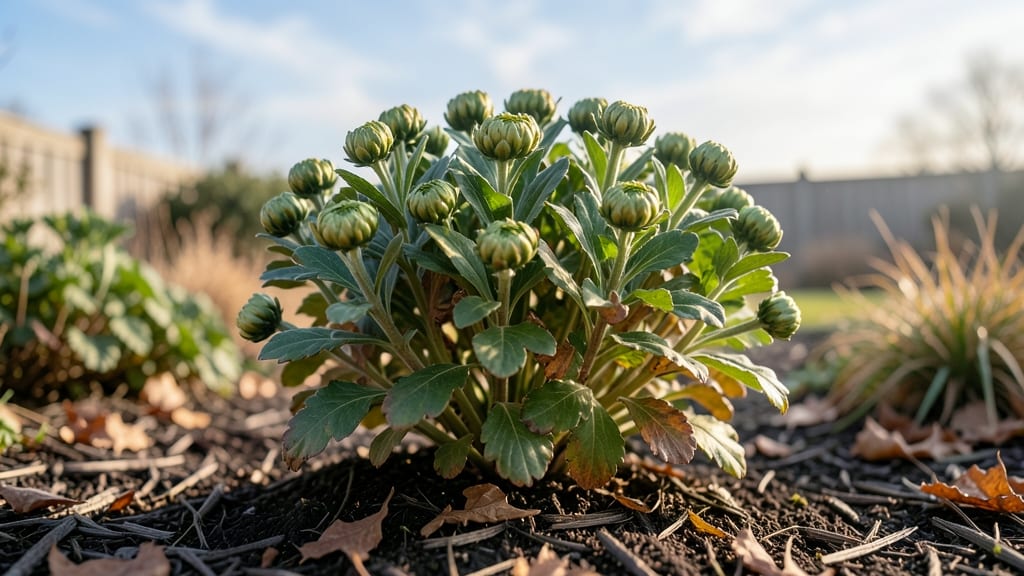
Mums don't typically bloom in spring—they're fall favorites—but some cold-hardy varieties can produce new growth and occasional flowers in early spring with proper care. Most spring blooms come from fresh growth, not the same flowers from the previous season.
Mums (chrysanthemums) follow a strict seasonal rhythm tied to daylight hours. 🌸 Their natural bloom cycle peaks in late summer and fall when days grow shorter, triggering flower production.
However, certain hardy varieties—like 'Ruby Mound' or 'Dwarf Bonanza'—can surprise you with early spring blooms if you give them the right winter protection and a little extra fertilizer in late winter.
The key is understanding that these spring flowers are often new growth, not the same ones that faded last autumn.
For gardeners eager to extend mum blooms into spring, the secret lies in winter prep. 🌿 Mulching heavily before frost and pruning back dead foliage in late winter helps stimulate fresh growth.
Some varieties even respond well to a light application of bloom-boosting fertilizer in early spring, though timing matters—too early, and you might encourage leafy growth instead of flowers. It's all about working with nature's cues while giving your plants the support they need to defy expectations.
💡 In This Article
- Why Mums Bloom in Fall, Not Spring
- How to Encourage Spring Blooms in Mums
Why mums bloom in fall, not spring
Mums (chrysanthemums) are what botanists call short-day plants, meaning their flowering is triggered by decreasing daylight hours rather than warm temperatures. When days grow shorter in late summer—typically after September 21st (the autumnal equinox)—these plants detect the shift and begin producing flower buds.
This is why you see mums bursting into color from September through October, not spring. 🌿 Compare this to spring-blooming perennials like tulips or daffodils, which rely on longer daylight hours and warming soil to trigger blooming.
The science behind this involves a plant hormone called florigen, which is produced in response to specific light conditions. In mums, shorter days signal the plant to stop producing leaves and redirect energy toward flower development.
The optimal temperature range for this process is 60-70°F during the day with cooler nights—conditions that align perfectly with late summer to fall weather patterns. Interestingly, some tropical varieties can bloom year-round in their native climates, but most garden mums are bred for this seasonal cycle.
What most gardeners don't realize is that mums actually have two growth cycles: the main bloom in fall and a secondary growth spurt in spring. However, this spring growth rarely produces flowers unless the plant has been properly cared for during winter.
The buds you might see in spring are typically new growth, not the same flowers that bloomed the previous autumn. This is why spring-blooming mums often look different—they're essentially starting fresh after winter dormancy. 💫
Daylight sensitivity explains why mums struggle to bloom in spring even when temperatures are ideal. For example, in Zone 5-7 climates, mums planted in spring often won't flower until fall because they haven't experienced the critical 12-14 hours of daylight needed to trigger their flowering mechanism.
This is why garden centers sell mums in fall—they're already primed to bloom when conditions are right. The same logic applies to forcing mums indoors: you can't make them bloom in spring by simply bringing them inside; you need to replicate those short daylight conditions.
Consider this comparison: While spring-blooming flowers like peonies rely on warming soil temperatures (typically 50°F+) to break dormancy, mums need both daylight cues AND temperature fluctuations.
The ideal scenario for spring blooms involves a gradual temperature rise combined with increasing daylight—something that naturally occurs in late winter to early spring. However, most garden mums aren't genetically predisposed to produce flowers under these conditions without human intervention. 🌸
One fascinating exception is the hardy garden mum varieties, which have been selectively bred to tolerate colder climates. These can sometimes produce small, sporadic blooms in spring if they've survived winter well and received proper care.
The difference lies in their genetic makeup—they've inherited traits that allow them to respond to early spring conditions, though their primary bloom period remains fall. For these varieties, spring blooms are more about survival and new growth than about producing showy flowers.