
Blooming
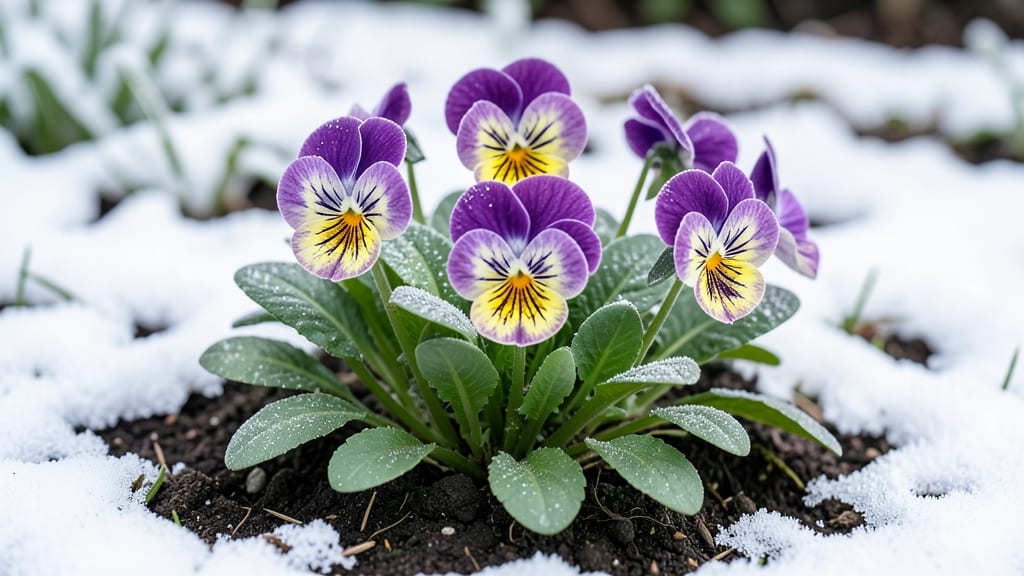
Pansies bloom in winter in cold-hardy varieties, thriving in frost down to 15–25°F (-9 to -4°C) with vibrant flowers that brighten chilly gardens. Choose hardy types like 'Bowles' or 'Matrix' for reliable winter color.
Winter-blooming pansies are nature's secret weapon for adding color to frosty landscapes. 🌨️ Their ability to thrive in cold temperatures comes from a combination of hardy genetics and smart growth habits.
Unlike many flowers that go dormant, these varieties actually flourish when temperatures dip, producing their most vibrant blooms during winter months. The key is selecting the right cultivars—some can even handle snowfall while continuing to produce flowers, making them perfect for gardeners in zones 3 through 8.
What sets these winter pansies apart is their unique biological process called vernalization, where exposure to cold actually triggers better flowering. This means the colder it gets, the more spectacular their display becomes.
I've found that planting them in well-draining soil with afternoon shade protection gives them the best chance to survive harsh winter conditions while still putting on a show.
💡 In This Article
- Why Pansies Survive and Flourish in Winter Frost
- Best Winter-Blooming Pansy Varieties for Cold Climates
Why pansies survive and flourish in winter frost
Pansies have evolved remarkable cold tolerance through a process called vernalization, where exposure to prolonged cold temperatures actually triggers better flowering. This adaptation allows them to thrive when most plants go dormant.
Their leaves contain high levels of antioxidants like flavonoids, which protect cell membranes from frost damage by maintaining flexibility in freezing conditions. Unlike tender annuals, pansies can handle 15-25°F (-9 to -4°C) without permanent harm, thanks to their ability to supercool—lowering internal temperatures below freezing without ice crystal formation.
Their growth cycle is perfectly timed for winter blooming. Pansies planted in early fall develop strong root systems before winter arrives, giving them energy reserves to sustain flowering.
The flowers themselves contain natural antifreeze proteins that prevent ice crystal formation in petal tissues. 🌨️ What's fascinating is how their vibrant colors actually intensify in cold—pigments like anthocyanins become more concentrated when nights are chilly, creating those stunning winter displays.
This biological response explains why some varieties produce their best blooms during December and January.
Another key adaptation is their compact growth habit. Most winter pansies grow just 6-12 inches tall, which helps them stay closer to the ground where temperatures are slightly warmer. Their fuzzy leaf surfaces also trap insulating air pockets, creating a microclimate that protects against rapid temperature swings.
This low-growing nature makes them ideal for ground covers in winter gardens, where they can blanket the soil and protect it from erosion while continuing to flower.
Light requirements also play a crucial role in their winter success. While they need 6-8 hours of sunlight daily for best blooming, pansies can tolerate partial shade—especially in harsh winter conditions where full sun might cause leaf scorch.
Their ability to photosynthesize efficiently at cooler temperatures means they can continue producing energy even when other plants are dormant. This combination of cold tolerance and light adaptability is why they're often called the "winter workhorses" of the flower garden.
For gardeners, this means you can plant pansies in late summer or early fall to establish roots before winter sets in. The plants will then enter a period of slow growth during cold months, only to burst into spectacular flower displays when days begin lengthening in late winter.
This delayed blooming strategy ensures they provide color when other flowers have finished their season.
What most people don't realize is that pansies actually benefit from light frosts. A 20-30°F (-1 to -1°C) night can trigger more intense color development in the flowers, creating those rich purples, yellows, and blues we associate with winter pansies.
This frost-induced color enhancement is a direct result of their biochemical pathways being activated by cold exposure.