
Blooming
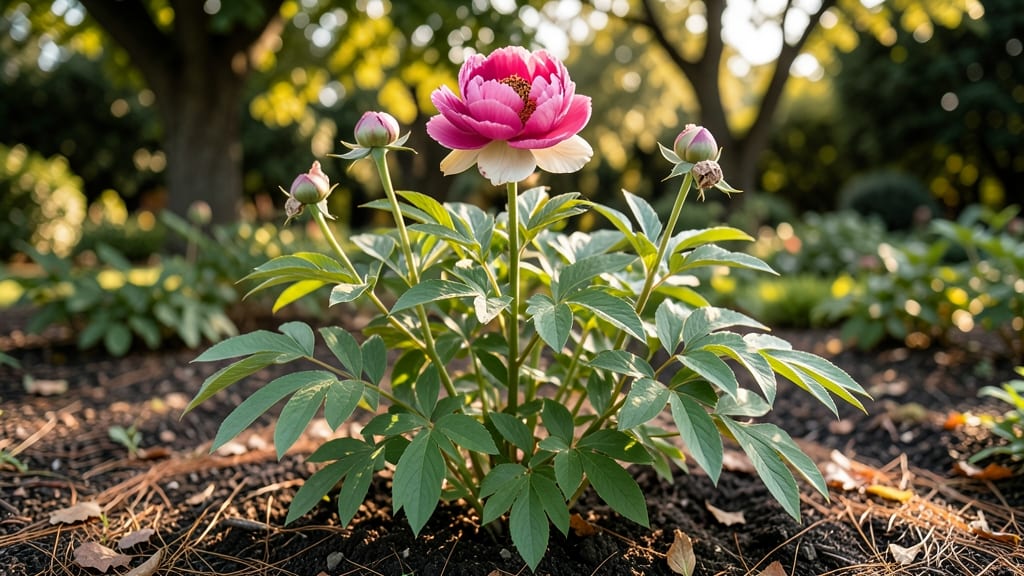
Peonies bloom only once a year because their growth cycle depends entirely on winter chilling, needing 8–12 weeks of cold temperatures to trigger spring flowering. This dormancy period is essential for producing their iconic, abundant blooms each season.
This annual blooming pattern isn't just about timing—it's a survival strategy. 🌱 Peonies store energy underground during winter, building strong root systems that fuel their dramatic spring displays. Without adequate cold exposure, buds may fail to open properly or produce fewer flowers.
I've seen gardeners in mild climates struggle with inconsistent blooms because their peonies never get the required dormancy period. The good news? With proper care, even established peonies can reliably deliver their showstopping flowers year after year.
What's fascinating is how peonies prioritize root development in their first few years, often producing minimal blooms as they establish themselves. This "juvenile phase" can last 2-3 years before they reach their full flowering potential.
Once mature, though, they'll reward you with those lush, fragrant blooms—if you give them the right conditions.
💡 In This Article
- How Peony Flowering Cycle Works
- Tips to Maximize Peony Blooms Yearly
How peony flowering cycle works
Peonies follow a precise biological rhythm where winter cold acts as a natural switch to trigger spring blooming. This process, called vernalization, requires 8-12 weeks of temperatures between 32-45°F to break dormancy. During this chilling period, the plant's buds undergo biochemical changes that prepare them for growth.
The cold helps convert stored starches in the roots into sugars that fuel flower development—similar to how a bear's hibernation prepares it for spring activity.
The flowering cycle actually begins the previous summer when peonies form flower buds underground. These buds remain dormant until winter's cold triggers their development. What's unique is how peonies prioritize root growth in their first 2-3 years, often producing minimal flowers as they establish strong underground reserves.
This explains why newly planted peonies might take time to bloom—nature's way of ensuring they have enough energy for dramatic spring displays. 🌱
Daylight also plays a crucial role, though less directly than temperature. Peonies are long-day plants, meaning they respond to increasing daylight hours in spring. However, the cold requirement is non-negotiable—without proper chilling, even long days won't trigger full blooming.
This is why peonies in warm climates often need artificial chilling or careful placement to ensure reliable flowering each year.
Here's what happens at the cellular level: Cold temperatures cause changes in plant hormones, particularly increasing gibberellins that promote bud growth while reducing abscisic acid, which maintains dormancy. The roots also become more permeable, allowing better water and nutrient uptake when spring arrives.
This hormonal shift explains why peonies planted in containers might bloom differently than those in ground—container roots can warm up faster and miss critical chilling periods.
What most gardeners don't realize is how heat after blooming affects next year's flowers. If summer temperatures exceed 85°F for extended periods, peonies may enter a second dormancy cycle, delaying bud formation for the following year.
This is why peonies in hot climates often need afternoon shade or mulching to protect their roots from overheating. The plant essentially "resets" its cycle when stressed by extreme heat. 🌡️
Consider this comparison: A peony in Zone 5 (cold winters) might bloom reliably every year with minimal care, while one in Zone 9 (mild winters) may need special attention to replicate winter conditions. The key difference is how consistently each location provides the required 8-12 weeks below 45°F.
This biological need explains why peonies have been cultivated for centuries in temperate climates—they evolved to thrive where winter's cold reliably triggers their spring spectacle.