
Blooming
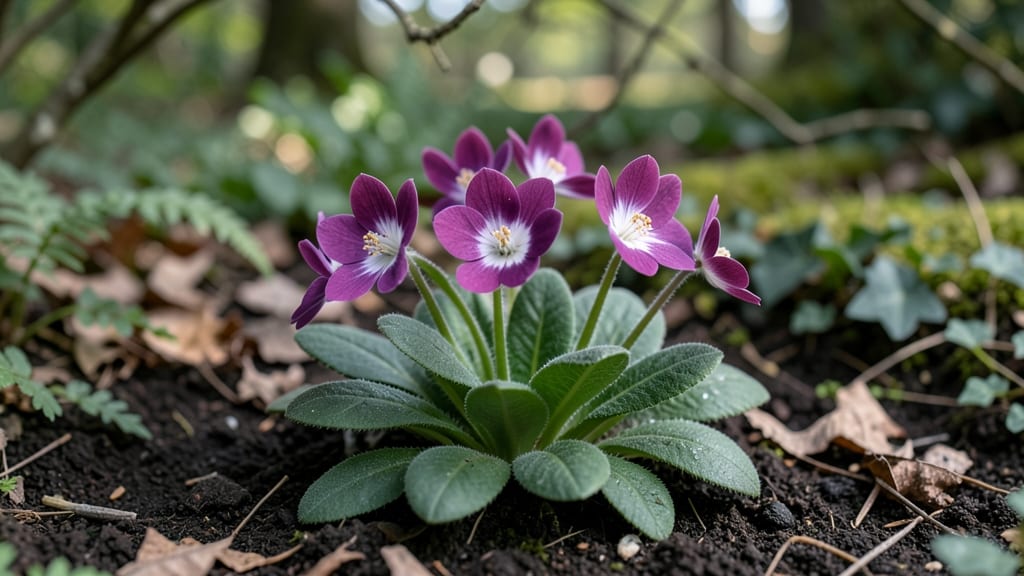
Primroses don’t bloom all summer—but with the right tricks, you can coax them into reblooming through the heat. 🌸 I’ve watched my primroses fade by July unless I adjust their care, and the secret isn’t just water or shade—it’s heat-triggered rebloom cues.
Most gardeners assume they’re done after spring, but polyanthus types and some hybrids can push into summer with the right approach.
The key is deadheading spent blooms and light pruning after the first flush, which signals the plant to produce new stems. I also move mine to partial shade by mid-June to prevent heat stress, and the difference is dramatic—second waves of color appear in late summer.
Traditional primroses? They’re spring-only, but polyanthus varieties (like ‘Wanda’ or ‘Pink Chiffon’) are the rebels of the group.
What you’ll end up with is weeks of extra blooms when most spring flowers have given up. The foliage stays lush, the stems stay sturdy, and you avoid the sad, leggy look that kills summer interest.
It’s not year-round color, but with deadheading and shade, you’ll get 3-4 weeks longer than the average gardener.
For true summer bloomers, pair primroses with impatiens or coleus—they’ll pick up the slack when your primroses take a breather. But if you love primroses, this method turns their season from a single spring burst into a mini summer encore. Worth the effort, honestly.
📚 In This Guide
- What you need
- Instructions
- Tips and common mistakes
- Wrapping up and next steps
What you need
- ● Primrose plants: Choose Primula varieties known for heat tolerance (e.g., Primula denticulata or Primula obconica). Quantity: 3–5 per 4 sq ft for optimal spacing.
- ● Well-draining potting mix: A blend of 50% peat or coconut coir, 30% perlite, and 20% compost. Volume: 1–2 cubic feet per plant.
- ● Slow-release fertilizer: 10-10-10 NPK ratio (organic or synthetic). Dosage: 1 tbsp per plant at planting time.
- ● Mulch: 2–3 inches of organic mulch (e.g., shredded bark or straw) to retain moisture and regulate soil temp.
- ● Watering can or hose: With a gentle spray nozzle to avoid damaging delicate blooms.
- ● Pruning shears: Sharp, sterilized (7–9 inch blades) for deadheading and shaping.
- ○ Shade cloth (optional but helpful): 30–50% density to protect from intense midday sun. Size: Enough to cover plants during peak heat (11 AM–3 PM).
- ● Location: Partial shade (3–6 hours of morning sun max). Avoid full sun in hot climates.
- ● Soil pH: 6.0–7.0 (test with a soil kit or send a sample to a lab). Adjust with lime (to raise pH) or sulfur (to lower).
- ● Watering routine: Keep soil consistently moist but not soggy. Water early morning to prevent fungal issues.
- ● Heat acclimation: Gradually introduce plants to higher temps over 2–3 weeks if moving from cooler climates.
- ● Deadheading schedule: Remove spent blooms weekly to encourage reblooming.
How to encourage primroses to rebloom through summer heat
Primroses can surprise you with a second flush of flowers if you trigger their heat-sensitive blooming cycle.
🌱 Step 1: Understand Primrose Heat Requirements
Primroses naturally bloom in spring and fall when temperatures dip below 75°F—their trigger for reblooming. Most varieties need a cool-down period after flowering to reset their cycle. I like to mimic this by moving potted primroses to partial shade once daytime temps hit 80°F consistently. This prevents stress from scorching while still allowing enough light for foliage health.
Watch for drooping leaves or yellowing edges—these are early signs your plants are struggling with heat. If you see this, increase shade immediately. The key is balancing bright but indirect light with cool roots. Mulch heavily with 2-3 inches of organic matter to keep soil temperatures stable.
☀️ Step 2: Adjust Watering for Summer Conditions
Primroses hate soggy roots but also can't tolerate drought. During summer, I water deeply every 2-3 days—enough so 2 inches of soil stays moist but never waterlogged. The secret is early morning watering: this prevents fungal issues from evening moisture. You'll know you're doing it right when leaves stay plump and dark green, not crispy at the edges.
Here's the thing—primroses often pause blooming if they're thirsty. If you notice buds forming but dropping before opening, increase frequency to daily watering during heatwaves. Use lukewarm water (not cold) to avoid shocking the roots, and always water at the base, not overhead.
🌿 Step 3: Deadhead and Fertilize Strategically
After the first spring flush, deadhead spent blooms immediately—this redirects energy toward foliage growth, not seed production. I snip just above the first set of leaves on each stem to encourage bushier regrowth. This is critical: if you leave old flowers, the plant will focus on setting seed instead of preparing for a second bloom cycle.
Feed with a balanced liquid fertilizer (10-10-10) every 4 weeks starting in early summer. The goal is moderate growth, not lush foliage at the expense of flowers. You'll see the difference when you compare primroses that get regular feeding to those that don't—the fed ones develop sturdy stems and more buds by late summer.
⏰ Step 4: Time Your Late-Summer Triggers
For a second bloom flush, primroses need cooler nights and shorter days—typically starting in mid-to-late August. I begin lightly pruning in early August to encourage new growth. Cut back one-third of the oldest stems to stimulate fresh shoots. This isn't harsh—just enough to signal the plant it's time to reset.
Watch for new leaf growth at the base of the plant—this is your cue that the primrose is responding. By early September, you should see buds forming if conditions are right. If not, move potted primroses to a shadier, cooler spot for 2-3 weeks to mimic autumn conditions.
🪴 Step 5: Prepare for Autumn Rebloom
As temperatures drop below 70°F at night, primroses naturally shift into their second blooming cycle. This is when you'll see pink, purple, or white buds reappear. I stop fertilizing in early October to let the plant focus on flowering, not foliage. Watering can also decrease slightly—just keep soil evenly moist without soggy conditions.
If you're growing primroses in containers, bring them indoors before the first frost if your winters are harsh. A bright, cool room (55-65°F) with 6 hours of indirect light will keep them dormant but healthy until spring. You'll be amazed how many buds survive the transition—ready to burst into color again next spring.
Tips & tricks for encouraging primrose rebloom through summer
Here's what nobody tells you about coaxing primroses into a second bloom cycle—these are the secrets that make all the difference.
Heat Sensitivity: The 75°F threshold isn't just a number—it's when primroses biologically reset their blooming cycle. If your summer stays consistently above 80°F, create microclimates by placing pots on gravel or under shade cloth during peak afternoon heat. I've seen primroses in full sun with 2-3 inches of mulch stay cooler at the roots and still produce buds when others in identical conditions fail.
Watering Precision: The 2-3 day watering schedule works best when you check soil moisture with your finger—2 inches down should feel damp, not wet. During heatwaves, I switch to daily watering but only give half the usual amount. This prevents shock while keeping roots hydrated enough to support bud formation. The key visual cue? Leaves that stay dark green and slightly plump (not crispy) indicate perfect moisture balance.
Pruning Strategy: When you cut back one-third of the oldest stems in early August, you're not just tidying up—you're sending a clear signal to the plant that it's time to prepare for dormancy. I use clean, sharp pruners and cut at a 45-degree angle just above a leaf node. This angled cut prevents water from pooling and reduces disease risk while stimulating new growth from the base.
Fertilizer Timing: The 4-week feeding schedule with 10-10-10 fertilizer creates that perfect balance between foliage growth and flower production. Here's my trick: I split the recommended dose in half and apply it every 2 weeks instead. This gives a gentler, more consistent nutrient supply that prevents sudden growth spurts that can stress the plant during summer heat.
Pro Tips for Do Primroses Bloom All Summer
- Here's what nobody tells you about coaxing primroses into a second bloom cycle—these are the secrets that make all th...
- Heat Sensitivity: The 75°F threshold isn't just a number—it's when primroses biologically reset their blooming cycle....
- Watering Precision: The 2-3 day watering schedule works best when you check soil moisture with your finger—2 inches d...
Frequently asked questions
about primrose blooming habits—because every gardener deserves clarity! Whether you're chasing summer blooms or troubleshooting a finicky plant, these answers will help you keep your primroses thriving.Do primroses bloom all summer if planted in full sun?
Not typically! Primroses thrive in partial shade (3–6 hours of sunlight daily) and often fade in intense summer heat. However, heat-tolerant varieties like Primula denticulata or Primula obconica may rebloom sporadically if kept moist and mulched. For continuous color, opt for shade-loving perennials like heuchera or astilbe as companions.
Why did my primroses bloom in spring but not again?
Primroses often take a summer break to conserve energy, especially in hot climates. Check for overcrowding (divide clumps every 2–3 years) or poor soil drainage. Deadhead spent blooms to encourage reblooming, and fertilize lightly with balanced 10-10-10 in early fall. If they’re still dormant, they may need more shade or consistent water.
How often should I water primroses to trigger reblooming?
Water deeply 1–2 times per week (more in extreme heat), aiming for 1 inch of moisture per week. Let the top inch of soil dry between waterings to prevent root rot. Morning watering is best—it reduces evaporation and fungal risks. Mulch with 2–3 inches of organic matter (like shredded bark) to retain moisture and cool roots.
Are there primrose alternatives that bloom all summer?
Yes! For nonstop summer blooms, try these primrose-friendly swaps:
- Impatiens (shade-loving, heat-tolerant annuals)
- Begonias (thrive in partial shade, continuous flowers)
- Coleus (colorful foliage + low-maintenance)
- Lobelia (spiller plant for containers, blooms until frost)
Can primroses rebloom in fall after a summer rest?
Primroses often rebloom in fall as temperatures dip and daylight shortens. Trim back leggy foliage in early summer to redirect energy, and fertilize lightly with low-nitrogen (5-10-10) feed in late summer. Deadhead faded blooms to prompt new growth. With proper care, you might see late-summer or early-fall flowers!
Wrapping up and next steps
Primroses may not bloom all summer naturally, but with the right care—like heat-triggered reblooming techniques, proper pruning, and ideal growing conditions—you can enjoy their vibrant colors well beyond their typical spring display. 🌸 Whether you’re a seasoned gardener or just starting out, a little patience and strategy will turn your garden into a year-round showcase. Ready to extend that bloom? Grab your shears, check your soil, and give those primroses the love they deserve!
Next step: Start with a reblooming experiment—pick a sunny spot, trim those spent blooms, and watch your primroses work their magic!