
Blooming
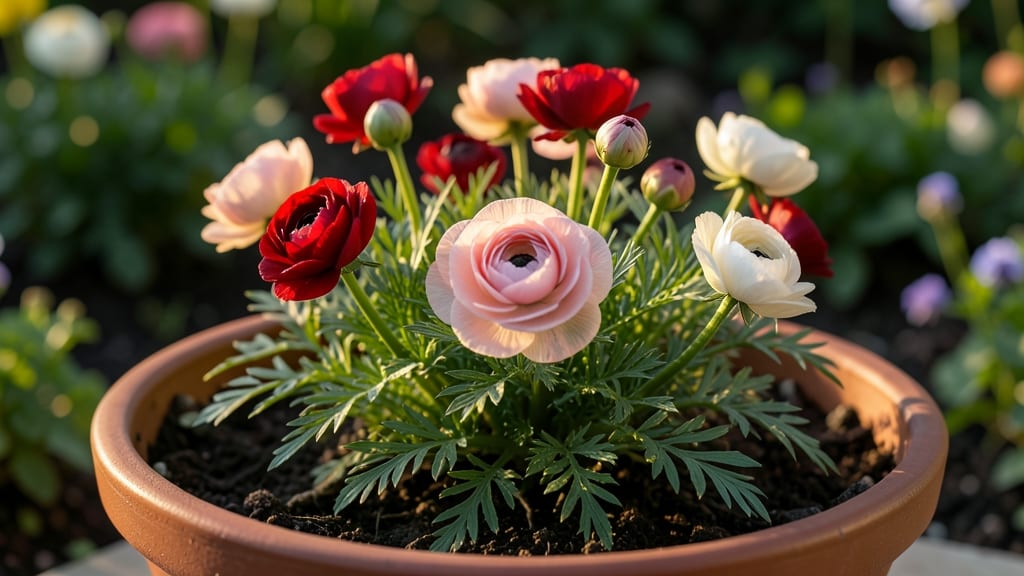
Ranunculus flowers do not bloom all summer—they thrive as spring-to-early summer bloomers, typically producing their showiest flowers from late spring through early June, with some varieties extending into mid-summer before naturally fading. While proper deadheading and seasonal care can prolong their display slightly, they are not designed for continuous summer blooming.
Ranunculus flowers are cool-season plants, meaning they perform best when temperatures stay moderate—ideally between 50°F and 75°F. 🌸 Once summer heat sets in, their blooms often slow down or stop entirely, as the plants enter a natural dormancy period.
This is why you’ll see them peak in spring and early summer, then gradually decline as temperatures rise. The good news? With consistent deadheading (removing spent blooms) and proper watering, you can encourage a few more weeks of blooming before they fully retreat.
What many gardeners don’t realize is that ranunculus bulbs actually store energy for next year’s blooms during their summer rest. If you cut back foliage too aggressively in summer, you might reduce next season’s flower production.
Instead, let the leaves die back naturally before trimming—this ensures the bulbs recharge properly for another vibrant spring display.
💡 In This Article
- Understanding Ranunculus Bloom Seasons and Climate Dependence
- Maximizing Ranunculus Blooms: Deadheading and Seasonal Care Tips
Understanding ranunculus bloom seasons and climate dependence
The ranunculus lifecycle is tightly linked to temperature and daylight hours, making them true spring ephemerals.
These delicate flowers evolved to bloom when days are lengthening but temperatures remain moderate—typically between 50°F and 75°F. 🌸 When summer heat arrives (above 80°F), their metabolic processes slow dramatically, causing blooms to wilt faster and new buds to fail to open.
This is why you'll notice their peak display in late spring through early June, with some hardier varieties like Persian ranunculus lasting into July.
Daylight exposure plays an equally critical role. Ranunculus require 12-14 hours of daylight to trigger their flowering cycle, which explains their springtime dominance. As summer solstice approaches (longest daylight hours), their blooming naturally declines.
Interestingly, Asiatic varieties tend to handle slightly warmer conditions better than Persian types, which are more sensitive to heat stress. The key difference lies in their bulb structure—Asiatic ranunculus have thicker corms that store more moisture, allowing them to persist a few weeks longer in summer.
What's happening botanically is that ranunculus bulbs contain specialized cells that convert stored starches into sugars during cool periods. These sugars fuel both bloom production and leaf growth. When temperatures rise, the bulbs shift into a conservation mode, prioritizing energy storage over flowering.
This is why you'll often see ranunculus leaves continue growing into early summer while blooms taper off—the plant is preparing for its summer dormancy period. 🌿
Regional climate variations create noticeable differences in blooming patterns. In cooler northern climates, ranunculus may bloom from April through June, while in milder southern zones, they might extend into August before heat becomes overwhelming.
The 10°F difference between these zones can shift bloom timing by 4-6 weeks, demonstrating how sensitive these flowers are to temperature gradients. Gardeners in transitional zones often report their ranunculus perform best when planted in partial shade during peak afternoon heat.
Another fascinating aspect is how ranunculus respond to rainfall patterns. These flowers thrive in consistently moist but well-drained soil—too much summer heat combined with dry conditions causes their corms to shrivel.
In contrast, regions with frequent summer showers can actually extend their blooming season slightly by maintaining soil moisture without overheating. This is why professional florists often grow ranunculus in controlled environments with misting systems during summer months.
Understanding these climate dependencies helps explain why ranunculus are never "all-summer" flowers. Their entire lifecycle is optimized for spring's transitional weather, where cool nights and warm days create perfect growing conditions.
Once summer's intensity sets in, their biological clock shifts toward dormancy—a survival mechanism that ensures they'll return with vigor the following spring. 🌱