
Flowers
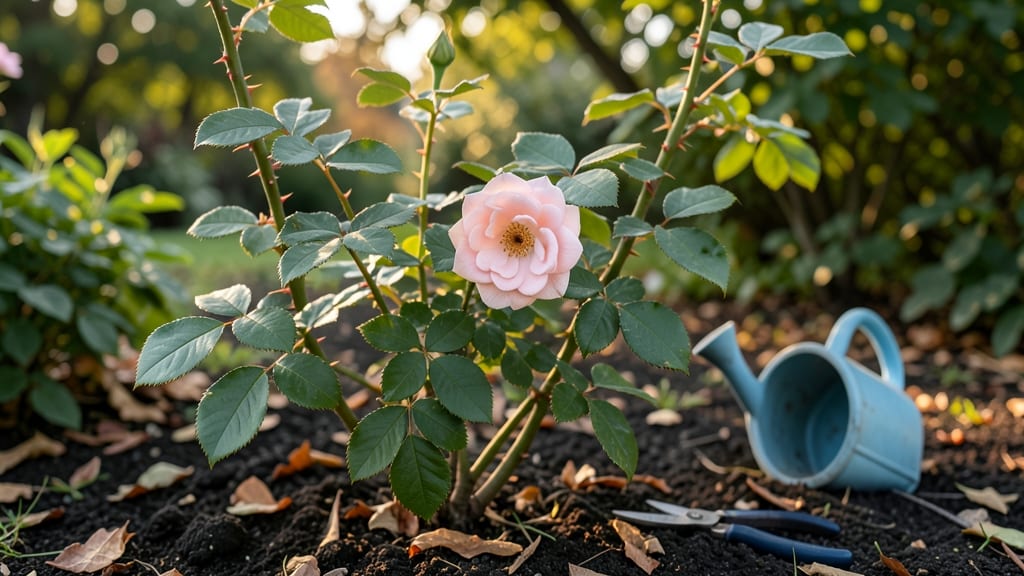
Rose flowers do have a strong, recognizable smell produced by volatile organic compounds like phenylethyl alcohol and citronellol, which create their signature sweet, floral aroma. This fragrance attracts pollinators and varies by species and growing conditions.
Roses aren't just pretty—they're chemical scent factories! 🌹 Their fragrance comes from over 400 different aromatic compounds, with the most dominant being geraniol (that classic rose scent) and linalool (which adds depth).
What's fascinating is how these compounds form: roses produce them in specialized cells called osmophores, which release the scent when pollinators brush against them. This evolutionary trick ensures bees and butterflies spread pollen while getting a free perfume experience.
The intensity of a rose's scent depends on more than just genetics—sunlight, temperature, and even humidity play roles. For example, roses grown in cooler climates often develop stronger fragrances because their metabolic processes slow down, concentrating the aromatic compounds.
That's why a morning walk through a rose garden can feel like stepping into a natural perfume factory!
💡 In This Article
- Chemical Composition of Rose Fragrance
- Enhancing Rose Flower Scent in Gardens
Chemical composition of rose fragrance
The signature scent of roses comes from a complex mix of over 400 volatile organic compounds (VOCs), with just a handful creating the iconic floral profile. The most dominant molecules are geraniol (responsible for that classic rose aroma) and linalool (which adds herbal depth).
These compounds form in specialized cells called osmophores, located on the petals, where enzymes break down fatty acids through a process called the lipid pathway. This metabolic process releases the aromatic molecules when pollinators or wind disturb the flower.
What makes roses unique compared to other flowers is their high concentration of monoterpenes like citronellol and esters such as phenylethyl alcohol. These compounds don't just create the sweet, honey-like notes—they also repel certain pests while attracting beneficial insects.
For example, citronellol is so potent that it's used in natural insect repellents at concentrations of 10-15%, yet roses produce it organically at 0.5-2% of their total VOC output.
The balance between these compounds creates the rose's signature complexity, which can vary between species like the Damask rose (high in geraniol) and the Tea rose (richer in linalool).
The scent intensity also depends on environmental factors. Roses grown in cooler temperatures (60-75°F) often develop stronger fragrances because their metabolic processes slow down, concentrating the aromatic compounds.
This is why early morning blooms frequently have the most potent scents—nighttime cooling preserves the VOCs until daytime heat would otherwise volatilize them. In contrast, roses exposed to high humidity may produce more scent molecules but with reduced volatility, making the aroma feel "heavier" rather than crisp.
Here's what happens at the molecular level: When you crush a rose petal, you're physically damaging the osmophores, which triggers an immediate release of stored VOCs. This is why rosewater—extracted by steam distillation—captures up to 90% of the natural fragrance compounds that would otherwise dissipate into the air.
The process involves heating the petals to 190-212°F, causing the aromatic compounds to vaporize and then condense into a liquid that's 100-300 times more concentrated than the original flower's scent.
Another fascinating aspect is how roses "time" their scent release. Many varieties emit the strongest fragrance between 9 AM and 11 AM, coinciding with peak pollinator activity.
This isn't random—it's an evolutionary adaptation where the plant maximizes its chances of reproduction by offering the most attractive "reward" (the scent) when pollinators are most active.
The Damask rose, for instance, can release enough scent to be detectable up to 30 feet away during these peak hours, making it one of the most potent fragrant flowers in nature.