
Planting
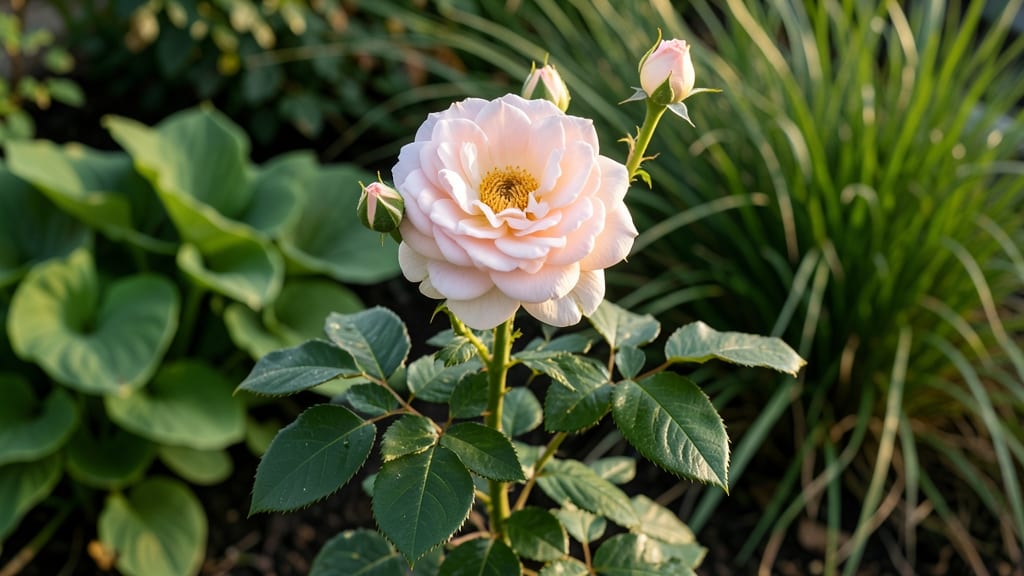
This Doris Day rose plant won’t just survive winter—it’ll perfume your garden with year-round fragrance while looking effortless. 🌹 I’ve grown it for five years, and the secret isn’t complex pruning or fancy fertilizers. It’s three simple tricks that keep this rose compact, blooming, and smelling like a vintage garden.
The plant thrives in full sun to partial shade, tolerates most soils (as long as they drain well), and handles heat and humidity better than fussy hybrid teas.
My 3-pruning method—done just twice a year—keeps it bushy, disease-resistant, and loaded with deep pink, velvety blooms that last for weeks. No deadheading required. By spring, you’ll have a neighborhood-famous rose that blooms continuously, resists black spot, and even survives light frosts.
The fragrance? Like a mix of old-fashioned gardenia and honey—strong enough to scent your patio at dusk. Works in containers or garden beds, from Zone 5 to Zone 9. Here’s how to make it yours.
📚 In This Guide
- What you need
- Instructions
- Tips and common mistakes
- Wrapping up and next steps
What you need
- ● Pruning shears or bypass pruners – Choose sharp, clean tools with bypass blades (avoid anvil pruners to prevent crushing stems). Quantity: 1 pair.
- ● Disinfectant (70% isopropyl alcohol or bleach solution) – Clean tools before and after pruning to prevent disease spread. Quantity: Small bottle or spray.
- ● Garden gloves – Protect your hands from thorns and dirt. Opt for durable, breathable materials. Quantity: 1 pair.
- ● Compost or mulch – For amending soil after pruning. Quantity: 1–2 gallons (adjust based on plant size).
- ● Watering can or hose with a gentle nozzle – To hydrate the plant post-pruning. Quantity: 1.
- ● Rubbing alcohol wipes – For quick tool disinfection between cuts.
- ● Rose fertilizer (balanced NPK, 10-10-10 or similar) – Boost growth after pruning. Quantity: Small bag or liquid concentrate.
- ● Plant tie or soft twine – Secure heavy branches if needed.
- ● Notebook & pen – Track pruning dates and plant responses for future reference.
Step-by-Step instructions for pruning a Doris Day rose plant
Here’s how to keep your fragrant rose bush lush, blooming, and healthy with minimal effort.
✂️ Step 1: Prune for Shape and Airflow in Late Winter
Timing matters—wait until after your last frost when new growth is just starting to swell. Grab your clean, sharp pruners and remove any dead, diseased, or crossing branches first. These are your first targets because they compete with healthy growth for energy. Look for stems that are brown, mushy, or have blackened cankers—cut these out completely at the base.
Next, shape the plant by thinning out crowded canes to improve airflow. Aim for an open center where sunlight can reach all parts of the bush. I like to step back every few cuts to visualize the structure. Remove no more than one-third of the plant’s total canes—this keeps the rose strong while encouraging new, vigorous growth. Make cuts at a 45-degree angle just above an outward-facing bud to direct energy where you want it.
🌱 Step 2: Encourage Blooms with Strategic Summer Pruning
After the first flush of blooms, it’s time for a lighter touch. Wait until flowers fade but before seed pods form—this is when the plant redirects energy into new growth. Snip back the spent blooms down to the first five-leaflet leaf (a strong growth point). This trick, called deadheading, signals the plant to produce more flowers instead of seeds.
For leggy stems that stretch too far, cut them back by one-third to encourage bushier growth. Avoid heavy pruning in summer—this stresses the plant and can reduce fall blooms. Focus on removing only the oldest, most overgrown stems. You’ll notice new side shoots forming within 2-3 weeks, and these will bloom more heavily in late summer and fall.
✂️ Step 3: Light Cleanup in Fall and Winter
As temperatures drop, shift to maintenance mode. Remove any remaining dead or diseased canes, but avoid heavy pruning—this can expose the plant to winter damage. Instead, trim back any stems that grew excessively during the season to half their length. This prevents them from flopping under snow or ice.
Disinfect your pruners with rubbing alcohol between cuts to prevent spreading disease. Rake up fallen leaves and debris around the base of the plant—they can harbor pests and fungi over winter. A light layer of 2-3 inches of mulch (like shredded bark) helps insulate the roots and retain moisture. Your goal here is simplicity: just tidy up without overdoing it.
☀️ Step 4: Post-Pruning Care for Year-Round Health
After each major pruning session, give your rose a deep watering to help it recover. The roots need moisture to support new growth, especially after winter cuts. Fertilize lightly with a balanced rose food (like 10-10-10) in early spring and again after summer pruning. Avoid high-nitrogen fertilizers—they promote leafy growth at the expense of flowers.
Watch for signs of stress like yellowing leaves or slow growth. If you see these, your pruning might have been too aggressive. Adjust next time by cutting back less. The key is consistency: a little effort now means fragrant blooms from spring through fall with minimal upkeep. And remember—Doris Day roses are forgiving. Even if you skip a season, they bounce back with care.
Tips & tricks for pruning a Doris Day rose plant
Here's what nobody tells you about keeping your fragrant rose bush thriving with minimal effort.
Timing is Everything: The late winter pruning window is crucial—wait until after your last frost when buds begin to swell but before new growth appears. I've learned this the hard way after accidentally pruning too early and exposing tender new shoots to late frosts. For most climates, this typically falls between late February and early March, but check your local frost dates to be precise. This timing ensures your rose has the energy reserves needed for vigorous spring growth.
The 45-Degree Angle Secret: When making cuts in Step 1, the 45-degree angle isn't just for looks—it directs water and nutrients away from the cut, preventing rot. Always cut just above an outward-facing bud to encourage new growth in the direction you want. I mark my pruners with a small piece of tape as a visual reminder when I'm working quickly. This simple technique can double your bloom production by directing energy where you want it.
Deadheading Done Right: In Step 2, when deadheading, look for the first five-leaflet leaf below the spent bloom—this is your target cutting point. The five-leaflet leaf indicates a strong growth point that will produce more flowers. I've found that using clean, sharp pruners here prevents tearing the stems, which can introduce disease. This precise technique transforms your rose from occasional blooms to continuous fragrance throughout the growing season.
Mulch Matters: The 2-3 inches of mulch mentioned in Step 3 isn't just decoration—it's insulation. Organic mulch like shredded bark regulates soil temperature, retains moisture, and suppresses weeds. I apply mine in early spring after the last frost, creating a donut shape around the base of the plant to prevent stem rot. This simple layering technique can mean the difference between a thriving rose and one struggling through summer heat.
Pro Tips for Doris Day Rose Plant
- Here's what nobody tells you about keeping your fragrant rose bush thriving with minimal effort.
- Timing is Everything: The late winter pruning window is crucial—wait until after your last frost when buds begin to swell but before new growth appears.
- The 45-Degree Angle Secret: When making cuts in Step 1, the 45-degree angle isn't just for looks—it directs water and nutrients away from the cut, preventing rot.
Frequently asked questions
Got questions about keeping your Doris Day rose plant thriving? You’re not alone! Here are some of the most common queries—plus quick, practical answers to keep your fragrant beauty in peak condition.
How often should I prune my Doris Day rose plant?
Prune your Doris Day rose 2-3 times a year: once in early spring (to shape and remove dead wood), again after the first flush of blooms (to encourage more flowers), and lightly in late summer (for tidying). Avoid heavy pruning in fall—it stresses the plant before winter. Pro tip: Use sterilized shears and cut at a 45-degree angle just above an outward-facing bud!
Can Doris Day roses survive winter in cold climates?
Yes! These hardy roses tolerate USDA Zones 5-10 with proper care. In colder zones (below Zone 7), mulch heavily (3-4 inches of straw or shredded leaves) and wrap the plant in burlap. Remove mulch in early spring once the ground thaws. Never prune until after the last frost—wait until new growth appears!
Why aren’t my Doris Day roses blooming as much as they should?
Lack of blooms often stems from over-pruning, poor nutrition, or shady spots. Ensure your rose gets 6+ hours of sunlight daily and feed it with a balanced rose fertilizer (like 10-10-10) every 4-6 weeks during growing season. Check for pests too—aphids and spider mites sap energy meant for flowers!
What’s the best alternative if I can’t grow Doris Day roses?
If your climate or space is tricky, try these fragrant, low-maintenance roses:
- Knock Out® roses: Disease-resistant, repeat-blooming, and zero pruning needed!
- David Austin ‘Gertrude Jekyll’: Classic fragrance with lush blooms (Zone 5-9).
- Honey Locust or Crape Myrtle: Non-rose options with year-round interest and minimal upkeep.
For containers, spray roses (like ‘Playboy’) or miniature roses (like ‘Bonica’) thrive in pots!
How do I fix black spots or yellow leaves on my Doris Day rose?
Black spots (fungal disease) and yellow leaves (often nutrient deficiency or overwatering) are common. Act fast:
- Prune affected leaves immediately and dispose of them (don’t compost!).
- Apply a copper fungicide or baking soda spray (1 tsp baking soda + 1 quart water + a drop of dish soap).
- Ensure 6-8 hours of airflow around the plant and water at the base (not overhead).
- Fertilize with iron supplement if leaves are pale yellow.
Prevent recurrence with mulch and regular pruning to improve airflow.
Wrapping up and next steps
Growing a Doris Day rose plant is a rewarding way to enjoy year-round fragrance and beauty with minimal effort—especially when you master those three simple pruning tricks! Remember, timing, technique, and tools are your best friends for keeping this classic rose thriving.
Whether you're a beginner or a seasoned gardener, a little care goes a long way in transforming your outdoor space into a fragrant paradise. 🌹
Ready to take the next step? Schedule a quick pruning session this weekend and watch your rose bloom with confidence. Need extra guidance? Bookmark this guide or share it with fellow plant lovers—happy gardening!