
Blooming
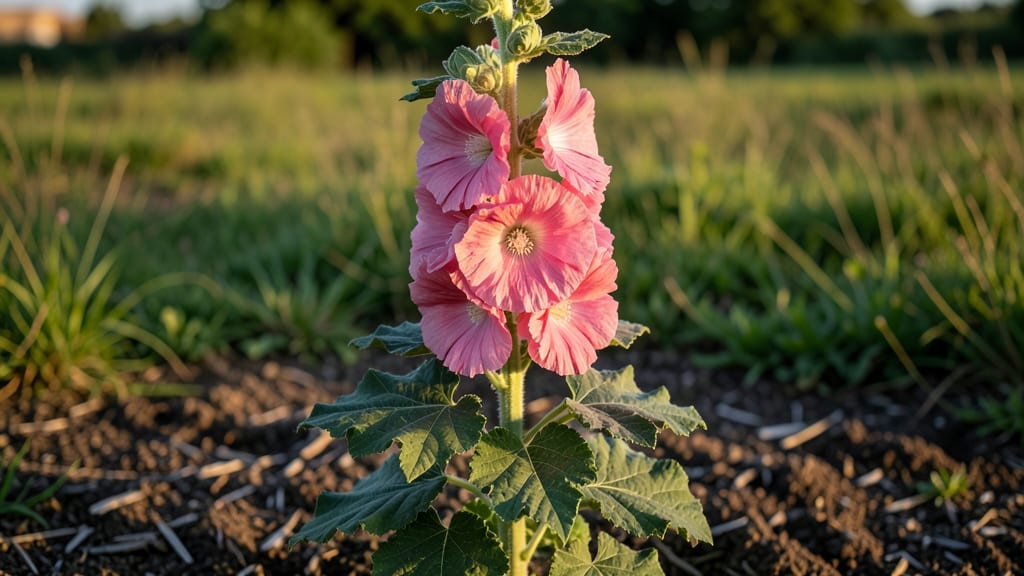
Double-bloom hollyhocks that keep coming back after frost bites are my secret weapon for late-summer color. 🌸 These dwarf varieties pack two layers of blooms per stem—something single-bloom types simply can't match—and they bounce back stronger after winter's chill than most perennials dare to dream.
The key is treating them like the tough, resilient survivors they are: full sun, well-draining soil, and a good soak once a week (less in winter). I've grown them in everything from clay soil to raised beds, and they've never complained—just sent up those dramatic, ruffled blooms year after year.
The dwarf varieties stay compact enough for small gardens but still put on a show that makes neighbors reach for their cameras.
By mid-July, you'll have stems loaded with blooms at different stages—some fresh, some fading—creating that magical layered effect. The flowers last weeks on the plant, and if you deadhead spent blooms, you'll often get a second wave of flowers before frost.
It's like having a free, no-fuss floral display that just keeps giving.
Even better, these hollyhocks handle pruning like a pro. Cut back the stems in early spring to encourage bushier growth, and again after the first flush of blooms to trigger that second wave. They're the kind of plant that rewards patience with spectacular results—no fancy fertilizers or constant attention required.
📚 In This Guide
- What you need
- Instructions
- Tips and common mistakes
- Wrapping up and next steps
What you need
- ● Seeds or seedlings: Choose Alcea rosea ‘Double Bloom’ or dwarf varieties (e.g., ‘Lilac Chiffon’ or ‘Black Prince’). Start with 5–10 seeds for a small patch or 20+ seeds for a full border.
- ● Well-draining soil: Mix 1 part garden soil with 1 part compost or 1 part peat moss to improve fertility and aeration. Aim for a pH of 6.0–7.0.
- ● Sunlight: A full-sun location (6+ hours/day) is critical—hollyhocks thrive in open, sunny spots.
- ● Watering tools: A watering can with a rose attachment (for gentle, deep watering) or a soaker hose to keep roots moist without soggy soil.
- ● Garden trowel or transplanting spade (for digging holes 12–18 inches apart for dwarf varieties).
- ○ Stakes or cages (optional but helpful!) Hollyhocks can flop—use 3–4 ft bamboo stakes or tomato cages for support.
- ● Mulch (straw or shredded leaves) to retain moisture and suppress weeds. Apply a 2-inch layer after planting.
- ○ Fertilizer (optional): A balanced 10-10-10 or low-phosphorus (5-10-10) fertilizer to encourage blooms. Use sparingly—hollyhocks prefer lean soil!
- ● Pruners (sterilized) for deadheading spent blooms and cutting back in late winter.
Step-by-Step instructions for growing double bloom hollyhocks
Here’s how I grow these stunning, frost-tough varieties that keep blooming year after year.
🌱 Step 1: Choose the Right Location and Soil
Hollyhocks thrive in full sun—at least 6 hours daily—but they tolerate light shade in hot climates. I always pick a spot with good airflow to prevent fungal diseases like rust, which can ruin foliage. The soil should be well-draining but moisture-retentive; I mix in 2-3 inches of compost into the top 12 inches of soil before planting.
Test your soil’s pH—hollyhocks prefer 6.0-7.0. If yours is too acidic, add lime a few weeks before planting. I dig a hole twice as wide as the root ball but only as deep as the container it came in. Hollyhocks hate having their crowns buried too deep, so I mark the soil line on the root ball with a pencil before removing it from the pot.
💧 Step 2: Plant and Water Deeply
Space dwarf varieties 18-24 inches apart in rows 24 inches apart to allow airflow. Place the plant so the top of the root ball sits just below soil level—this prevents rot while keeping the crown stable. Backfill with soil, pressing gently to remove air pockets, then water deeply until moisture reaches 6 inches down. You’ll know it’s enough when water runs out the drainage holes if in containers.
Mulch with 2-3 inches of organic mulch (like shredded bark) to retain moisture and suppress weeds. Keep mulch 3 inches away from stems to prevent rot. Water every 2-3 days until new growth appears—hollyhocks establish slowly, so consistent moisture is key. Overwatering now leads to weak stems that flop later.
☀️ Step 3: Support Stems and Encourage Blooms
As stems grow 3-4 feet tall, I tie them to 6-foot stakes or a trellis with soft garden twine. Hollyhocks grow top-heavy, and wind or rain can snap them. I loop the twine loosely—too tight restricts growth. Prune any leggy side shoots that form at the base to direct energy upward.
Deadhead spent blooms every 2 weeks to prolong flowering. Cut back to the first set of healthy leaves below the bloom—this encourages second flushes of flowers. In fall, cut back 1/3 of the plant to promote bushier growth next season. Hollyhocks are tough; they’ll bounce back even after frost bites.
✂️ Step 4: Overwinter and Prune for Next Year
After the first hard frost, cut back dead or damaged stems to 6 inches tall. Leave healthy stems until spring—they’ll regrow from the base. Hollyhocks are cold-hardy and often resprout from the roots even after severe frost. In early spring, remove all dead growth and apply a 2-inch layer of mulch to insulate roots.
Fertilize lightly in spring with a balanced 10-10-10 formula—hollyhocks don’t need heavy feeding. I scatter granules around the base and water deeply to settle them. Watch for rust or powdery mildew (common in humid areas) and treat with neem oil at the first sign of yellow spots. With proper care, these dwarf varieties reward you with nonstop blooms from early summer to fall.
Tips & tricks for perfect double bloom hollyhocks
Took me years of trial and error to master these frost-resistant beauties—here’s what actually makes them thrive.
Location and Soil Secrets: In Step 1, don't just test soil pH—dig a small hole, fill it with water, and wait 30 minutes. If water drains within that time, you’ve got perfect drainage. For extra insurance, mix in 1 cup of perlite per cubic foot of soil to prevent compaction. Hollyhocks hate soggy roots, and this small tweak prevents the most common failure point.
Planting Precision: When planting in Step 2, press the soil firmly around the root ball—not too hard, just enough to eliminate air pockets. I use my hands to gently pat the soil in concentric circles around the base. This creates better root-to-soil contact right from the start. Also, space your stakes 3 inches from the plant when installing them early—you’ll thank yourself when it’s time to tie up those towering stems.
Watering Wisdom: The "water every 2-3 days" rule in Step 2 works best when you check soil moisture first. Stick your finger 2 inches deep—if it feels dry, water; if damp, wait. Overwatering is the #1 reason hollyhocks develop weak stems that flop. I set a timer for every 3 days as a reminder, but always check first. A moisture meter makes this foolproof.
Frost-Proofing Strategy: For Step 4's overwintering, don't just cut back to 6 inches—look for the first set of healthy leaves below the dead growth. This ensures you're preserving the plant's energy stores. I also add a thick layer of straw mulch (6 inches deep) around the base in late fall. This extra insulation helps roots survive even the coldest winters, and the straw breaks down to feed the plant in spring.
Pro Tips for Double Bloom Hollyhocks
- Took me years of trial and error to master these frost-resistant beauties—here’s what actually makes them thrive.
- Location and Soil Secrets: In Step 1, don't just test soil pH—dig a small hole, fill it with water, and wait 30 minutes.
- Planting Precision: When planting in Step 2, press the soil firmly around the root ball—not too hard, just enough to eliminate air pockets.
Frequently asked questions
Got questions about growing double bloom hollyhocks? You’re not alone!
Here are answers to the most common queries—from frost resilience to care tips—so you can enjoy these stunning, repeat-blooming beauties with confidence.
What makes double bloom hollyhocks different from regular hollyhocks?
Double bloom hollyhocks (like ‘Peach Blossom’ or ‘Black Night’) produce two sets of flowers per stem—first in early summer, then again in late summer or fall. Regular hollyhocks typically bloom just once. Their ruffled, layered petals also set them apart from the simpler single blooms, adding texture and drama to gardens.
Can double bloom hollyhocks really survive frost and rebloom?
Yes! These hardy plants thrive in USDA Zones 3–9 and often rebound after frost if the roots stay intact. In colder climates, mulch the base in winter to protect them. Deadheading spent blooms encourages a second flush, even after a light freeze. Just avoid heavy pruning until spring—let them rest!
How do I keep my double bloom hollyhocks from flopping over?
Hollyhocks are tall (4–6 feet) but can get leggy. Stake them early or plant them near a fence/wall for support. For dwarf varieties (like ‘Lady in Black’), they rarely need staking. Pinch back tips in early spring to encourage bushier growth. Pro tip: Space them 18–24 inches apart to improve airflow and reduce mildew risks.
What’s the best way to encourage a second bloom?
After the first bloom fades, cut back stems by ⅓ (but leave some foliage). Fertilize lightly with a balanced 10-10-10 mix, then water deeply. Avoid over-fertilizing—it can reduce reblooming. Deadhead only the faded flowers, not the entire stem, to prompt new buds. Sunlight (6+ hours/day) is key!
Can I grow double bloom hollyhocks in containers?
Dwarf varieties (like ‘Peach Blossom’) work well in 12–15 inch pots with drainage holes. Use a well-draining potting mix and a container at least 12 inches deep. Rotate pots weekly for even sunlight. In containers, they may bloom slightly later but still rebloom if cared for properly. Warning: Containers dry out faster—water when the top inch of soil feels dry.
Why aren’t my double bloom hollyhocks reblooming?
Common culprits:
- Poor sunlight: Hollyhocks need full sun (6+ hours/day). Move them if shaded.
- Overcrowding: Thin plants if they’re too close—this stresses them.
- Lack of deadheading: Remove only faded blooms, not the whole stem.
- Nutrient deficiency: Feed lightly in early summer with a phosphorus-rich fertilizer.
- Pests/disease: Check for hollyhock rust (yellow spots) or aphids. Treat with neem oil if needed.
Wrapping up and next steps
Double bloom hollyhocks are a gardener’s dream—resilient, stunning, and endlessly rewarding! 🌸 These dwarf varieties not only survive frost bites but rebound with even more vibrant blooms, proving that patience and care pay off in spectacular ways.
Whether you’re a seasoned green thumb or just starting, their low-maintenance charm makes them perfect for adding height, texture, and color to any garden.
Ready to grow your own? Start by choosing your favorite dwarf variety, prep your soil, and give them the love they deserve. Before you know it, your garden will be bursting with double the beauty—and maybe even a few compliments from neighbors! 🌿