
Blooming
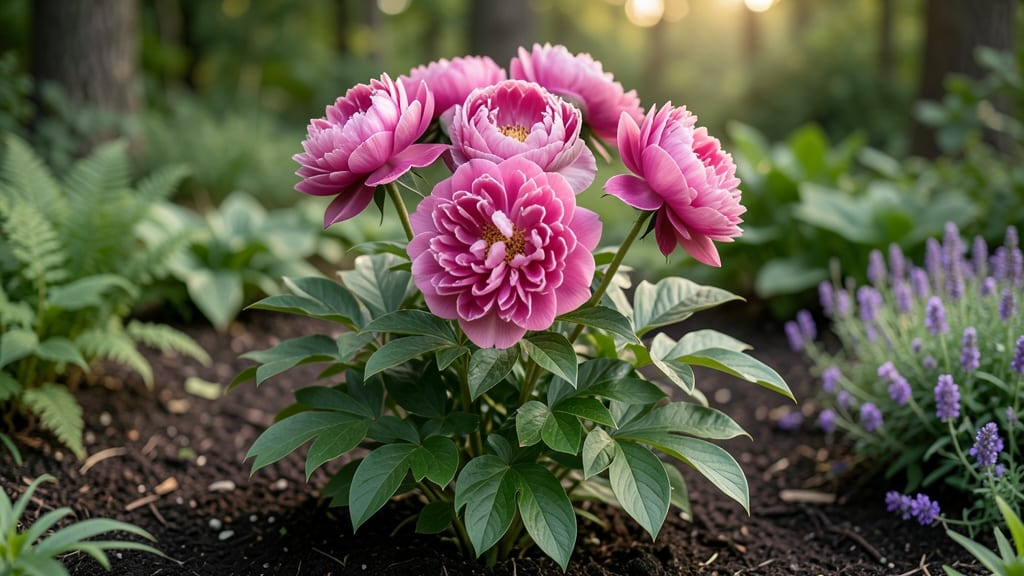
Nothing beats the sight of double bloom peonies unfolding like velvety clouds in your garden. 🌸 These lush, repeat-flowering varieties transform a single season into a six-week spectacle—if you plant and prune them right.
I’ve grown them for years, and the secret to their second flush lies in the soil, sunlight, and a few strategic cuts.
Double blooms need full sun and rich, well-draining soil—think compost-amended loam with a pH between 6.5 and 7.0. The key difference from single-bloom types? Their stems grow thicker and produce multiple flower buds per stem.
Plant them in fall or early spring, about 2 inches deep with the "eyes" (buds) facing upward. Patience pays off: it takes 2-3 years for established plants to hit their full potential.
Pruning is where the magic happens. After the first flush fades, trim spent blooms down to a healthy leaf node—never cut into bare wood. This encourages the plant to redirect energy into new buds.
By mid-summer, you’ll see fresh stems pushing through, ready for another round of blooms. The result? A garden that stays showstopping from late spring through summer, with minimal effort.
Watch for bud blast (brown, mushy buds) caused by too much rain or humidity—space plants 3-4 feet apart to improve airflow. Mulch heavily in winter to protect roots.
With the right care, your double bloom peonies will reward you with cut-and-come-again blooms for decades. Here’s how to keep them thriving year after year.
📚 In This Guide
- What you need
- Instructions
- Tips and common mistakes
- Wrapping up and next steps
What you need
- ● Peony roots (double bloom varieties): 3–5 healthy, dormant roots (eyes facing upward) from a trusted nursery. Look for labels like 'Sarah Bernhardt' or 'Bowl of Beauty' for lush, double blooms.
- ● Well-draining soil: A mix of 60% topsoil, 30% compost, and 10% coarse sand or perlite (amends heavy clay). Aim for a pH of 6.0–7.0.
- ● Organic fertilizer: 5-10-10 or 10-10-10 (balanced NPK) for planting, plus bone meal (3-15-0) for phosphorus at planting time.
- ● Mulch: 3–4 inches of wood chips or straw to retain moisture and suppress weeds.
- ○ Stakes or cages: 4–6 ft bamboo stakes or peony-specific cages (optional but helpful for support as blooms mature).
- ● Garden trowel or spade (for digging holes 2 ft wide and deep).
- ● Pruners (sterilized) for trimming dead foliage after blooming.
- ● Watering can or hose with a gentle spray nozzle (deep watering 1–2 times per week in dry spells).
- ● Sunlight access: Full sun (6+ hours/day) in a sheltered spot (peonies hate wind!).
- ● Patience! 🌟 Peonies take 2–3 years to establish and bloom reliably.
- ● Slow-release fertilizer tablets (place near roots at planting for a nutrient boost).
- ● Peony-specific fungicide (like Neem oil) to prevent botrytis blight in humid climates.
- ● Garden gloves (peony roots can be prickly!).
- ● Decorative rocks or pebbles for a polished look around the base.
Step-by-Step guide to cultivating double bloom peonies
Here's how to coax those lush, repeat-flowering peony blooms that keep coming back all season.
🌱 Step 1: Choose and Prepare the Planting Site
Select a location with full sun exposure (6-8 hours daily) and well-draining soil. Peonies despise soggy roots, so avoid low spots where water pools. I always test soil drainage by digging a 12-inch hole—if water doesn't drain within 30 minutes, amend with 1-2 inches of compost and a handful of perlite.
Peonies need space to establish their massive root systems. Space plants 3-4 feet apart to prevent overcrowding. The key is patience—these perennials take 2-3 years to reach peak bloom, but once established, they'll reward you with 6 weeks of continuous flowers if given proper care.
☀️ Step 2: Plant Bare-Root Peonies at the Right Depth
Plant in early fall or late winter when the ground is workable but not frozen. Dig a hole 2 inches deeper than the length of the roots. The "eyes" (buds) should sit 2 inches below soil level—burying too deep prevents blooming, while planting too shallow results in weak stems.
Spread the roots gently in all directions without bending them. Fill the hole halfway with soil, then water deeply to settle the roots. Finish backfilling and create a small mound around the base to encourage water runoff. I always add a 1-inch layer of mulch after planting to retain moisture and regulate soil temperature.
💧 Step 3: Water and Fertilize for First-Year Establishment
Water newly planted peonies 1-2 times per week until new growth reaches 6 inches tall. Deep watering—1 inch per week—encourages strong root development. Avoid overhead watering once leaves appear to prevent fungal diseases like botrytis, which causes brown spots on buds.
Fertilize lightly in early spring with a balanced 10-10-10 formula at half-strength. Peonies are heavy feeders but respond poorly to high nitrogen—too much produces lush foliage at the expense of blooms. I use a slow-release granular fertilizer instead of quick-release options to avoid root burn.
✂️ Step 4: Prune and Support for Maximum Blooms
Cut back foliage in late fall after it turns brown, leaving 2-3 inches of stem. This prevents disease buildup over winter. For double bloomers, remove spent blooms by cutting stems 1 inch above a leaf node—this encourages the plant to redirect energy into producing more buds rather than setting seed.
Install flower supports (peony rings or tomato cages) in early spring before buds swell. Double bloomers have heavy, lush flowers that often flop without support. I always tie stems to the support as they grow to prevent stem breakage from wind or rain.
🌿 Step 5: Maintain for Continuous Blooming
Divide mature clumps every 4-5 years in early fall to prevent overcrowding. Dig up the plant, separate sections with at least 3-5 eyes per division, and replant immediately. Double bloomers respond well to division, often producing even more vigorous growth afterward.
Watch for peony wilt disease (caused by fungus) in humid climates. Remove infected stems immediately and sterilize pruners with rubbing alcohol. Healthy peonies develop strong stems that can support 5-8 inch diameter blooms—the hallmark of a well-cared-for plant.
Tips & tricks for perfect double bloom peony cultivation
Here's what nobody tells you about getting those spectacular repeat blooms—these little details make all the difference.
Soil Drainage Test: That 30-minute drainage test in Step 1 is non-negotiable. I've seen peony roots rot in just 48 hours when planted in heavy clay. If your soil drains slower than 30 minutes, mix in extra perlite or coarse sand—even 10% improvement makes a dramatic difference in root health. The goal is to mimic the well-draining conditions peonies thrive in naturally.
Planting Depth Visual: For Step 2, think of the "eyes" (buds) like the handle of a teacup—you want them sitting at the same level as your wrist when your arm is bent at 90 degrees. Too deep (below 2 inches) and they won't bloom; too shallow (above 2 inches) and stems weaken. I mark the depth with a stake before planting to avoid guesswork.
Watering Technique: The 1-2 times per week rule in Step 3 needs context: water deeply each time until you see moisture 6-8 inches down. Shallow watering encourages weak roots that can't support those heavy blooms. I use a soil probe to check moisture levels—if it comes out dry, it's time to water again.
Fertilizer Timing: That spring feeding in Step 3 should happen when you see the first 2-3 inches of new growth. Early feeding can stimulate too much foliage at the expense of blooms. I like to side-dress with compost around the base instead of top-dressing—it feeds the roots directly without burning them.
Pro Tips for Double Bloom Peony
- Here's what nobody tells you about getting those spectacular repeat blooms—these little details make all the difference.
- Soil Drainage Test: That 30-minute drainage test in Step 1 is non-negotiable. I've seen peony roots rot in just 48 ho...
- Planting Depth Visual: For Step 2, think of the "eyes" (buds) like the handle of a teacup—you want them sitting at th...
Frequently asked questions
Got questions about nurturing double bloom peonies to their full, lush potential? You’re not alone! Here are answers to the most common queries—from timing to troubleshooting—so you can enjoy those show-stopping blooms all season long.
When do double bloom peonies actually start their second flush?
Double bloom peonies typically kick off their second flush 6–8 weeks after the first bloom, often around mid-to-late summer. Timing depends on climate—cooler regions may see earlier reblooms, while hotter areas might delay them. Prune spent blooms right after the first flush to encourage the second wave!
How do I know if I’m cutting peony blooms at the right time?
Cut stems when 2–3 buds are swollen but not yet open (about 50% open). Use clean, sharp shears and cut at a 45-degree angle about 2 inches above a leaf node. Avoid over-cutting—leave at least 5–6 healthy leaves to fuel the plant’s energy for reblooming.
Why aren’t my double bloom peonies reblooming this year?
Reblooming can fizzle due to over-fertilizing (especially with high nitrogen), poor sunlight (they need 6+ hours daily), or stress from drought/heat. Try mulching to retain moisture, trimming back only dead foliage in fall, and feeding with a low-nitrogen, high-phosphorus fertilizer in early spring.
Can I grow double bloom peonies in containers?
Yes! Choose a large container (18+ inches deep) with drainage holes and use well-draining soil. Container-grown peonies may rebloom less reliably than in-ground plants, but they thrive with consistent watering and winter protection (move pots to a sheltered spot or wrap in burlap). Dwarf varieties like ‘Sarah Bernhardt’ are great for pots!
Are double bloom peonies good for cutting gardens?
Absolutely!
Their long stems and sturdy blooms hold up beautifully in arrangements. For vase life, cut stems early in the morning, trim underwater at an angle, and change the water every 2–3 days. Add a flower food packet to extend their freshness—some varieties last up to 10 days!
Pro Tip:
Double bloom peonies love well-draining soil and full sun, but they hate soggy roots. If your garden stays wet, plant them on a mound or raised bed to prevent rot. And remember: Patience is key! It can take 2–3 years for container-grown peonies to establish and rebloom reliably.
Wrapping up and next steps
Double bloom peonies are the ultimate showstoppers in your garden, offering weeks of lush, romantic blooms with minimal effort. Whether you’re a seasoned gardener or just starting, their cut-and-come-again magic makes them a must-have for long-lasting beauty.
Ready to transform your outdoor space? Start planning your peony patch today—your garden (and future bouquets!) will thank you.
Pro tip: 🌱 Plant in early fall for the best root establishment and a head start on next year’s 6-week spectacle!