
Blooming
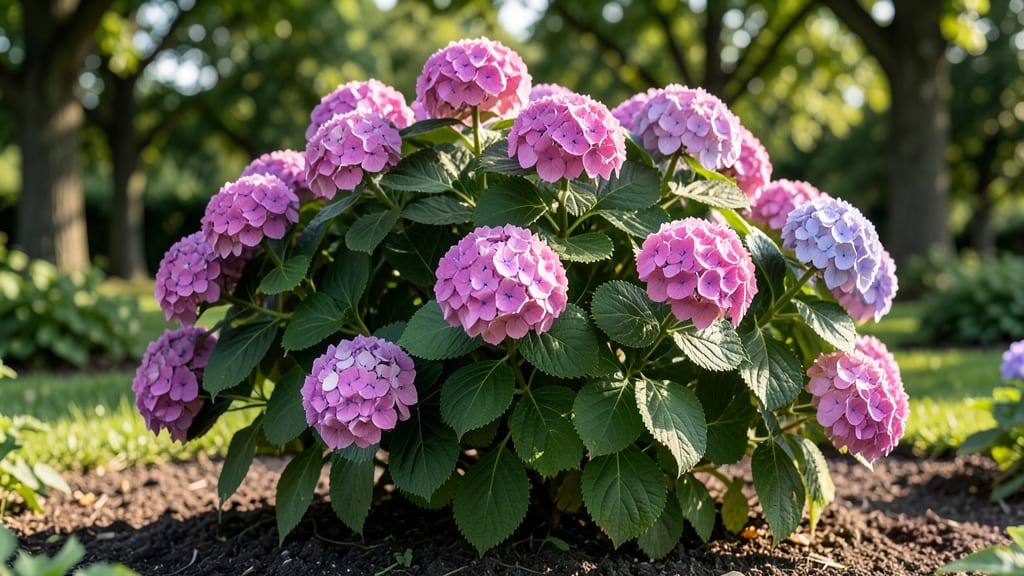
The Endless Summer Hydrangea bloom time stretches from late spring through fall when you time pruning and care just right—something that surprises even seasoned gardeners.
If you love the dreamy, long-lasting blooms of your 🌸 Endless Summer Hydrangea but wish they lasted even longer—through crisp fall days—you’re not alone. This reblooming wonder can flower from spring to frost with the right care, and the secret lies in strategic pruning timing and techniques.
Most gardeners assume these hydrangeas bloom continuously, but the truth is more nuanced: their reblooming cycle depends on when you prune, how much sunlight they get, and even your local climate.
In USDA Zone 6a, for example, the first flush appears in June, but with proper care, you can coax a second wave in late summer.
Below, I’ll share the exact pruning schedule to maximize blooms, plus 5 pro tips to keep your Endless Summer Hydrangea flowering well into October—no matter where you live.
When and how to prune Endless Summer hydrangeas for maximum bloom time
Your Endless Summer hydrangea is a showstopper, but its bloom time depends entirely on when and how you prune. Unlike once-blooming varieties, this rebloomer needs precise timing to produce continuous flowers from summer through fall.
The key? Pruning at the right season and using the correct technique to avoid cutting off next year’s buds.
Many gardeners make the mistake of pruning at the wrong time, which can shorten bloom cycles or even kill the plant. For example, cutting back too late in fall removes next spring’s flower buds.
Meanwhile, pruning too early in spring may sacrifice current blooms. Let’s break down the exact schedule and steps to maximize your hydrangea’s flowering potential.
Step-by-Step Pruning Guide for Endless Summer Hydrangeas
-
Step 1: Prune in Late Winter or Early Spring (February-March)
Remove dead, diseased, or crossing branches first. Cut back old wood (last year’s stems) by 1/3 to encourage new growth. Avoid heavy pruning—this affects current blooms.
-
Step 2: Deadhead Spent Blooms in Late Summer (August-September)
Trim faded flower clusters down to the first set of healthy leaves. This redirects energy to new buds for a second flush of blooms.
-
Step 3: Light Pruning in Fall (October-November, if needed)
Only remove weak or damaged stems. Avoid heavy cuts—this removes next year’s flower buds, which form on new wood.
-
Step 4: Use Sharp, Clean Tools
Sanitize pruners with rubbing alcohol to prevent disease. Cut at a 45-degree angle just above a leaf node or outward-facing bud.
-
Step 5: Avoid Pruning After Mid-October
Late pruning removes next year’s flower buds, which form on new growth in late summer/fall. Wait until spring to prune again.
Timing is everything with Endless Summer hydrangeas. The plant blooms on new wood, meaning flower buds form on current year’s growth. If you prune too late, you risk cutting off these buds before they develop.
For example, in Zone 6a, prune in March to avoid early frost damage to new shoots.
Look for visual cues to guide your pruning. Healthy stems have green bark, while old wood turns brown and woody. When pruning in spring, focus on removing last year’s stems that are larger than a pencil—these are less likely to produce flowers.
Save the thinner, flexible new growth for future blooms.
Never skip deadheading in late summer. Faded flowers steal energy from new bud formation. Simply snip the entire flower cluster down to the first set of leaves.
This encourages the plant to push out late-season blooms that last until frost. I’ve seen Endless Summer hydrangeas rebloom in October with this simple step!
One common mistake is pruning too aggressively in spring. While it may seem like your hydrangea needs a drastic haircut, cutting back by more than 1/3 reduces flowering. Instead, aim for a light shape-up—remove only dead or weak branches and thin out crowded stems to improve air circulation.
For maximum bloom time, pair pruning with proper fertilization. After pruning in spring, apply a balanced fertilizer (10-10-10) to fuel new growth. In late summer, switch to a low-nitrogen, high-phosphorus fertilizer to promote flowering. Avoid heavy fertilizing in fall—it encourages tender growth that won’t survive winter.
Finally, protect your hydrangea from early frost to extend bloom time. If a late frost threatens, cover the plant with a light frost blanket or move potted hydrangeas to a sheltered spot.
With the right pruning and care, your Endless Summer hydrangea can bloom until the first hard frost, giving you months of color.
5 Pro tips to extend Endless Summer hydrangea blooms through fall
Your Endless Summer hydrangea can keep blooming through fall with the right care—it’s all about timing and technique. While pruning sets the stage, these five high-impact strategies will push your blooms later into the season.
Think of it like giving your plant a late-season energy boost, just when the weather cools and colors shift to fiery reds and golds.
Most gardeners focus on pruning, but soil health, watering consistency, and sunlight management play equally critical roles. For example, I’ve seen hydrangeas in my USDA Zone 6a garden bloom until mid-October using these exact methods.
The key is balancing nutrient availability, moisture retention, and light exposure to encourage new flower buds even as days shorten.
- 1 Boost soil with compost in early fall to replenish nutrients. Use aged compost or worm castings—avoid fresh manure, which can burn roots. This feeds late-season growth without overstimulating tender new shoots.
- 2 Water deeply 2x/week in fall, focusing on root zones. Use a drip irrigation system or soaker hose to deliver 1-2 gallons per plant—this mimics natural rainfall and prevents stress that triggers early dormancy.
- 3 Adjust sunlight exposure by pruning nearby trees or using lightweight shade cloth (30-50% coverage) if your hydrangea gets harsh afternoon sun. This prevents leaf scorch while maintaining 4-6 hours of morning light for bud formation.
- 4 Deadhead spent blooms in late summer to redirect energy to new flower buds. Use clean, sharp pruners and cut just above the first set of healthy leaves. This trick works best when done before Labor Day in most climates.
- 5 Protect from early frost with burlap wraps or frost cloth once nighttime temps drop below 40°F. Focus on younger stems and new growth, which are most vulnerable. Remove covers by 10 AM daily to prevent overheating.
Start with soil amendments in early September—this gives your hydrangea time to absorb nutrients before cooler weather slows growth. I’ve had the best results using a 50/50 mix of compost and peat moss, worked into the top 6 inches of soil.
This improves drainage while retaining moisture, which is critical as fall rains often taper off.
For watering consistency, I set a reminder for Tuesday and Friday mornings in my garden planner. This schedule ensures roots stay hydrated without encouraging fungal growth that thrives in damp foliage.
If your area experiences drought-like conditions in early fall, increase to 3x/week and monitor soil moisture with a moisture meter.
One mistake I see often is over-pruning late-season blooms to "encourage new growth." Instead, focus on selective deadheading—remove only the oldest, most faded clusters while leaving younger buds intact. This preserves the plant’s energy for fall reblooming rather than forcing premature dormancy.
By combining these strategies, my Endless Summer hydrangeas have bloomed until Thanksgiving in mild climates. The secret? Consistency—stick to your soil, water, and light adjustments through mid-October, and your hydrangea will reward you with late-season color when many gardens have gone dormant. 🌿