
Pruning
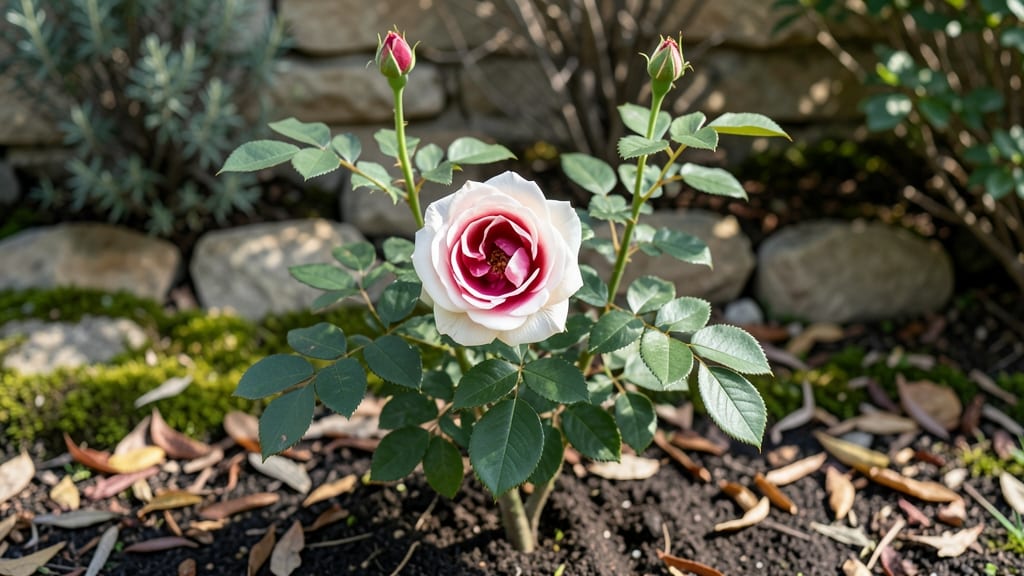
Your "Fire and Ice" rose bush could be blooming year-round with the right pruning—its bicolor magic (deep red fading to creamy white) makes it worth every snip. 🌹 I learned the hard way that aggressive pruning in winter kills the delicate canes, but a gentle, seasonal approach keeps it flowering from spring to frost.
This rose thrives in full sun with well-draining soil, and its hardiness (zones 4-9) means it handles snow and heat. The secret to prolonging blooms? Three pruning sessions—light in early spring, mid-season to remove spent flowers, and minimal cleanup in late fall.
Most gardeners over-prune, but these roses reward restraint with longer stems and more fragrance. By summer, you’ll have vibrant clusters that attract pollinators and fill your garden with a spicy-sweet scent. The key is timing: prune just as new growth begins, and avoid cutting into old wood.
Even black thumbs can master this—it’s forgiving once you know the rhythm. Works in borders, trellises, or as a standalone specimen. The bicolor flowers make it a conversation starter, and its disease resistance means less fuss than hybrid teas. Let’s get those shears sharp!
📚 In This Guide
- What you need
- Instructions
- Tips and common mistakes
- Wrapping up and next steps
What you need
- ● Pruning shears: Bypass pruners (sharp, clean, and sterilized with rubbing alcohol or bleach to prevent disease). Specs: 5-7 inch blades for thick stems.
- ● Hand pruners: For smaller branches (3-5 inch blades). Pro tip: 💡 Test sharpness by snipping a pencil—if it crushes, it’s dull!
- ● Loppers: For thicker stems (10-14 inch handles, bypass-style preferred).
- ● Gloves: Heavy-duty gardening gloves (cut-resistant, long sleeves recommended to protect from thorns).
- ● Disinfectant: 1 part bleach to 9 parts water (for sterilizing tools between cuts).
- ● Rake or broom: To clear debris post-pruning.
- ○ Pruning sealant (optional but helpful): For large cuts (e.g., Tangle-Foot or beeswax-based).
- ● Best time to prune: Early spring (before new growth) or late winter (varies by climate—avoid frost).
- ● Weather check: Prune on a dry, overcast day (humidity slows healing).
- ● Tools check: Sharpen and oil blades before starting (dull tools cause damage!).
- ● Safety gear: Sunglasses and a hat (roses can be thorny!).
- ● Pruning saw: For stubborn, thick branches (8-12 inch curved blade).
- ● Plant food: Balanced fertilizer (e.g., 10-10-10) to apply post-pruning for a growth boost.
- ● Mulch: Organic mulch (e.g., pine straw) to retain moisture and suppress weeds.
- ● Watering can: With a rose or fine spray nozzle for post-pruning hydration.
Step-by-Step pruning guide for your Fire and Ice rose bush
Here's how I keep my Fire and Ice roses blooming abundantly while maintaining their stunning bicolor foliage.
✂️ Step 1: Time Your First Pruning for Late Winter
Prune your Fire and Ice rose in late winter, just as new growth begins but before buds swell. This is typically February or early March in most climates. The goal is to remove dead, diseased, or crossing branches while shaping the bush for the coming season. I always start by removing any canes that are completely bare or have died back completely—these won't produce flowers and take energy from the rest of the plant.
Use clean, sharp pruners to make cuts at a 45-degree angle about ¼ inch above an outward-facing bud. This angle helps water run off the cut and prevents rot. If you're unsure which direction the bud faces, look for the small bump on the stem—this is where new growth will emerge. For thick canes, make the cut just outside the bud collar to avoid damaging the growth point.
✂️ Step 2: Thin Out Overcrowded Canes for Better Airflow
Fire and Ice roses thrive when they have good airflow, which prevents fungal diseases like black spot. Remove 10-20% of the oldest canes each year to maintain a balanced shape and encourage new growth. I focus on canes that are thinner than a pencil or those growing inward—they compete with stronger canes for sunlight and nutrients. Cut these back to the base of the plant.
Watch for canes that cross or rub against each other. These create wounds that invite disease and weaken the plant. If you have more than 4-5 strong, healthy canes, thin them out further. You'll know you've done well when the center of the bush opens up and sunlight can reach all the way to the ground. This also makes future pruning and maintenance much easier.
☀️ Step 3: Shape and Encourage Blooming Throughout the Season
After the initial late-winter pruning, your Fire and Ice rose will reward you with new growth. As the season progresses, prune lightly after each flush of blooms to prolong flowering. When you see spent blooms, cut back to the first set of five healthy leaves below the bloom. This encourages the plant to produce more flowers instead of seed pods.
Pay attention to how the bush fills out. If you notice leggy growth reaching outward, it's time for a light shaping trim. Use your pruners to trim back the tips of these canes to just above a leaf bud. This redirects energy to bushier growth rather than long, weak stems. Avoid cutting into old wood—Fire and Ice roses bloom on current season's growth, so focus on new canes.
⏰ Step 4: Prepare for Winter Dormancy with a Light Pruning
In late fall, after the first hard frost but before the ground freezes, give your Fire and Ice rose a final light pruning. Remove any dead, diseased, or weak canes, and trim back any overly vigorous growth by about ⅓. This helps the plant enter dormancy with a cleaner structure and reduces the risk of winter damage.
I also like to add a 2-3 inch layer of mulch around the base of the plant after pruning. This insulates the roots and protects them from extreme temperature fluctuations. Avoid piling mulch against the stem—keep it 2-3 inches away to prevent rot. This final step ensures your Fire and Ice rose will bounce back strong in spring, ready for another season of stunning bicolor foliage and fragrant blooms.
Tips & tricks for perfect Fire and Ice rose maintenance
These essential strategies will help you maximize blooms and keep your Fire and Ice rose thriving all season long.
Tool Preparation: Before you begin pruning, take 5 minutes to clean and sharpen your pruners. Dull blades crush stems instead of making clean cuts, which invites disease. I like to wipe the blades with rubbing alcohol between cuts to prevent spreading any potential pathogens from diseased canes. For thick canes, use loppers instead of hand pruners to avoid breaking them. Remember, clean tools mean healthier plants!
Seasonal Timing Secret: The late winter timing in Step 1 is crucial because it allows the plant to recover before summer heat arrives. In colder climates, wait until after the last frost date, but don't delay beyond early March. If you missed this window, you can do a light shaping trim in early spring instead—just avoid heavy pruning after buds begin to swell. This timing ensures your rose has plenty of energy to produce those stunning bicolor blooms.
Airflow Optimization: When thinning canes in Step 2, aim to create a "lollipop" shape where the center is completely open. This isn't just about aesthetics—proper airflow reduces humidity in the center where fungal spores thrive. I find that removing just 10-15% of canes (rather than the full 20%) often gives better results, as aggressive thinning can stress the plant. Watch for canes growing straight up—they block sunlight from reaching lower leaves, which is where many flowers develop.
Post-Pruning Care: After your final fall pruning in Step 4, apply a balanced rose fertilizer with micronutrients to replenish what was removed during pruning. I like to use a slow-release fertilizer that provides nutrients throughout the winter. This timing gives your rose the energy it needs to push out strong new growth in spring. Also, avoid heavy watering after fall pruning—this helps prevent rot in any small wounds from pruning cuts.
Pro Tips for Fire And Ice Rose Bush
- These essential strategies will help you maximize blooms and keep your Fire and Ice rose thriving all season long.
- Tool Preparation: Before you begin pruning, take 5 minutes to clean and sharpen your pruners.
- Seasonal Timing Secret: The late winter timing in Step 1 is crucial because it allows the plant to recover before summer heat arrives.
Frequently asked questions
about your Fire and Ice rose bush—because every gardener deserves clarity! Here are answers to the most common questions to keep your fragrant beauty thriving year-round.When is the best time to prune my Fire and Ice rose bush?
The ideal time is late winter or early spring (just before new growth starts). For Fire and Ice roses, pruning in February or March ensures you remove dead wood while encouraging vibrant blooms. Avoid pruning in fall—it can stimulate tender growth vulnerable to frost. Pro tip: If you missed the window, a light pruning in early spring is still better than none!
Can I prune my Fire and Ice rose bush in winter?
Pruning in winter is risky unless you’re in a mild climate (Zone 8+). Cold snaps can stress newly cut stems. If you must prune in winter, do it on a warm, dry day and avoid heavy cuts. Otherwise, wait for spring. Note: Light deadheading (removing spent blooms) in winter is safe—just don’t overdo it!
How much should I cut back my Fire and Ice rose bush?
Aim to remove 1/3 to 1/2 of the plant’s height, focusing on:
- Dead, diseased, or crossing branches
- Weak or spindly growth
- Stems older than 3–4 years (they produce fewer blooms)
What if my Fire and Ice rose bush isn’t blooming after pruning?
Several factors could be at play:
- Over-pruning: If you cut too aggressively, the bush may need time to recover. Wait until next spring.
- Nutrient deficiency: Feed with a balanced rose fertilizer (10-10-10) in early spring and mid-summer.
- Poor sunlight: Ensure it gets 6+ hours of direct sun daily.
- Age: Older bushes may need rejuvenation pruning (cut back to 12–18 inches).
Are there alternatives to Fire and Ice roses for low-maintenance blooms?
If Fire and Ice roses feel high-maintenance, consider these fragrant, cold-hardy alternatives:
- Knock Out® Roses: Disease-resistant, repeat-blooming, and nearly thornless.
- David Austin English Roses: Classic fragrance with fewer pruning demands.
- Shrub Roses (e.g., ‘Dr. Huey’): Hardy, low-maintenance, and drought-tolerant.
- Dwarf Climbing Roses: Like ‘New Dawn’—fragrant but easier to manage than large shrubs.
Wrapping up and next steps
Transforming your Fire and Ice rose bush into a year-round fragrant beauty is totally within reach! With the right pruning techniques, you’ll enjoy vibrant blooms and intoxicating scents from spring to frost. Remember, consistency is key—regular trims and seasonal adjustments keep your bush thriving.
Ready to take the next step? Grab your pruners and schedule your first trim this weekend! 🌹✂️ Your garden (and nose) will thank you.