
Blooming
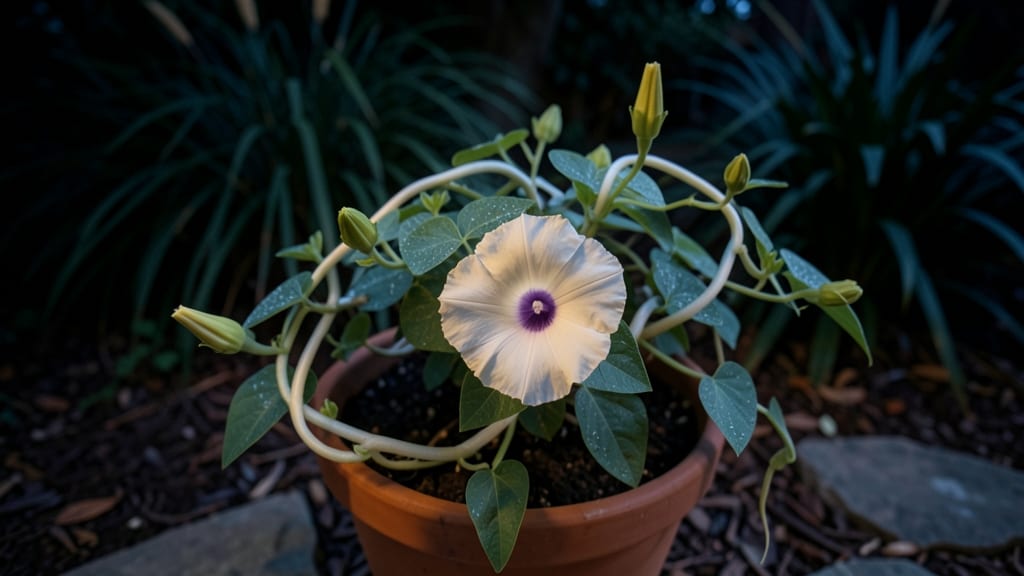
Moonlight-blooming flowers transform your garden into a secret nighttime spectacle. 🌙 I still remember the first time I stumbled upon my moonflower vine in full bloom at midnight—it looked like a lantern glowing in the dark.
These enchanting plants aren’t just pretty; they attract nocturnal pollinators and create a magical atmosphere that turns evenings into garden parties. The key to a stunning moonlit display is pairing night-bloomers with fragrant plants like night-scented stock or evening primrose. Their combined scents fill the air as fireflies dance around.
For best results, plant them near seating areas or pathways where you can enjoy the show after sunset. A simple solar-powered light or string lights can enhance the ambiance without overpowering nature’s glow.
You’ll end up with a garden that feels alive even after dark—imagine sipping tea under a canopy of blooms while the night comes alive around you. The secret lies in choosing the right mix of plants that thrive in low light and complement each other’s colors and fragrances.
Let’s bring the magic to your backyard!
📚 In This Guide
- What you need
- Instructions
- Tips and common mistakes
- Wrapping up and next steps
What you need
- ● Moonlight-loving flower varieties: 3–5 plants of each chosen species (e.g., Moonflower (Ipomoea alba), Evening Primrose (Oenothera spp.), or Night-Blooming Jasmine (Cestrum nocturnum)).
- ● Well-draining potting mix: 5–10 gallons (depending on pot size), enriched with compost or organic fertilizer (e.g., 5-10-5 NPK ratio).
- ● Containers or garden beds: For pots: 12–18" diameter containers with drainage holes (1–2 per plant).
- ● For in-ground planting: Full-sun to partial-shade spots with loose, fertile soil.
- ● Gardening tools: Trowel, pruners, gloves, and a watering can (or hose with gentle spray nozzle).
- ○ Optional but helpful: Soil moisture meter to monitor hydration.
- ● Grow lights (LED, full-spectrum) for indoor setups (12–16 hours/day if natural light is limited).
- ● Mulch (e.g., straw or bark) to retain moisture and regulate temperature.
- ● Climate: USDA Zones 7–11 (adjust for indoor growing or colder regions with containers).
- ● Light: Minimum 4–6 hours of direct sunlight during the day for optimal blooming.
- ● Watering schedule: Keep soil consistently moist (not soggy) but reduce watering as flowers mature.
- ● Patience: Some varieties (like Moonflower) take 3–4 months to bloom from seed!
How to create a moonlit garden glowing with night-blooming flowers
Let’s craft a magical garden where flowers unfurl their petals as daylight fades—no artificial lights needed.
🌿 Step 1: Select the Right Moonlight-Blooming Varieties
Start with flowers known for their nocturnal beauty. My top picks include evening primrose (with its delicate yellow blooms), moonflower vine (a fast-growing climber with large white blossoms), and night-blooming jasmine (famous for its intoxicating scent after dark). These varieties naturally open their petals in response to fading light, creating a mesmerizing display.
Check your USDA hardiness zone—most night-bloomers thrive in zones 7-10. If you’re in a cooler climate, opt for four o’clock flowers (they bloom in late afternoon but stay open well into the evening). Plant them in clusters of 3-5 for maximum impact, as their combined fragrance and glow will create a captivating effect.
☀️ Step 2: Position for Maximum Evening Light Exposure
Moonlight-blooming flowers need 6-8 hours of direct sunlight during the day to recharge their energy for nighttime displays. Place them in spots that receive full sun until late afternoon—think south- or west-facing garden beds or containers near a sunny patio. Avoid shaded areas where they’ll struggle to open their petals at all.
Here’s the thing—these flowers are sensitive to artificial lighting. If you have porch lights or security lights, position them at least 10 feet away from the plants. Early exposure to artificial light can trick them into staying closed, and you’ll miss their magical evening show. A simple solution? Use motion-sensor lights that only activate when needed.
💧 Step 3: Water and Feed for Nocturnal Blooms
Deep watering in the early evening (around 4-5 PM) ensures the soil stays moist enough for roots to absorb nutrients overnight. I water until the top 6 inches of soil feel damp—moonflowers, in particular, wilt quickly if they dry out. Use a soaker hose or drip irrigation to avoid wetting the foliage, which can invite fungal diseases that thrive in humid night air.
Feed with a balanced, slow-release fertilizer (10-10-10) at planting time, then again in early summer. These flowers are heavy feeders, and their energy demands spike as they prepare for nighttime blooming. A top-dressing of compost in spring will give them an extra boost without risking over-fertilization, which can lead to weak stems and fewer blooms.
✂️ Step 4: Prune and Deadhead Strategically
Prune leggy growth in early spring to encourage bushier, more compact plants that produce more blooms. Cut back stems by one-third just as new growth begins—this triggers the plant to focus energy on producing flowers rather than long, weak stems. For vining varieties like moonflower, train them on trellises or arbors to keep their blooms elevated and visible.
Deadhead spent blooms in the morning to redirect the plant’s energy into producing new flowers. But here’s the key: leave a few faded blooms on moonflower and night-blooming jasmine—they’ll develop seed pods that add texture to your garden and may self-seed for next year’s display. Just remove them once they turn brown and crispy to keep the garden tidy.
🌱 Step 5: Extend the Season with Mulch and Protection
Apply a 3-inch layer of mulch around the base of your plants in early spring to regulate soil temperature and retain moisture. I use shredded bark mulch because it breaks down slowly and adds organic matter to the soil. This is especially important for night-blooming flowers, as cooler evenings can stress their delicate blooms.
If you’re in a cooler climate, consider wrapping tender perennials like moonflower with frost cloth in late fall. Even a light frost can damage their stems, and since these plants rely on consistent energy reserves to bloom at night, protecting them ensures they’ll return stronger next season. Remove the cloth in early spring once temperatures consistently stay above 50°F.
Tips & tricks for perfect moonlit garden blooms
Here's what nobody tells you about making these magical flowers truly shine after dark.
Light Sensitivity Secret: The 6-8 hours of daylight these flowers need isn't just about sunlight—it's about the gradual dimming that triggers their nocturnal bloom cycle. I've found that placing them near a west-facing window helps simulate this natural transition, especially if your garden doesn't get perfect sunlight. The key is avoiding sudden light changes that can confuse their internal clock.
Soil Science for Nocturnal Beauty: These flowers need soil that stays consistently moist but well-drained—think of it as their energy drink for nighttime performances. I mix in a handful of perlite or coarse sand when planting to improve drainage, which prevents root rot that can happen from evening watering. The top 6 inches should feel like a wrung-out sponge, not a mud puddle.
Climate Hack for Cooler Regions: If you're in zones below 7, don't give up! I've successfully grown night-blooming jasmine in zone 6 by planting them against south-facing walls that absorb and radiate heat. This creates a microclimate that gives them that extra warmth they crave. Just be prepared to add extra mulch—those 3 inches become 4-5 in cooler climates.
Pruning Precision: When you're cutting back those leggy stems by one-third in Step 4, make your cuts just above a leaf node where new growth can emerge. This isn't just about aesthetics—it's about redirecting the plant's energy toward producing more blooms rather than long, weak stems. For moonflowers, I make the cut at a 45-degree angle to prevent water from pooling on the stem.
Pro Tips for Flowers That Bloom In Moonlight
- Here's what nobody tells you about making these magical flowers truly shine after dark.
- Light Sensitivity Secret: The 6-8 hours of daylight these flowers need isn't just about sunlight—it's about the gradu...
- Soil Science for Nocturnal Beauty: These flowers need soil that stays consistently moist but well-drained—think of it...
Frequently asked questions
Got questions about moonlight-blooming flowers? You’re not alone! Here are some common curiosities—and their answers—to help you bring magic to your garden after dark.
Do these flowers really glow in the moonlight, or is it just a reflection?
While they don’t emit light like fireflies, many moonlight-blooming flowers—such as Moonflower (Ipomoea alba) or Evening Primrose (Oenothera biennis)—have pale, luminous petals that reflect moonlight beautifully. Their unique pigments and textures make them appear almost ethereal under a full moon. For extra sparkle, plant them near reflective surfaces like water or light-colored gravel!
When is the best time to plant them for nighttime blooms?
Timing matters! Most moonlight-loving flowers thrive when planted in early spring or late summer, giving them time to establish roots before their peak blooming season (typically summer to early fall). If you’re in a warm climate, fall planting can also work—just ensure they get 6+ hours of sunlight daily to fuel their nighttime show.
Can I grow these flowers in containers or small spaces?
Many varieties, like Night-Blooming Jasmine (Cestrum nocturnum) or Moonflower vines, adapt well to containers. Choose pots with drainage holes and use lightweight soil. For small spaces, opt for compact plants like Evening Stock (Matthiola longipetala)—just ensure they get enough airflow to prevent mildew in humid conditions.
Why aren’t my moonlight flowers blooming at night?
Several factors could be at play:
- Lack of darkness: Artificial lights (like street lamps) can trick plants into blooming during the day. Try moving them to a darker corner or using blackout shades temporarily.
- Inconsistent watering: Overwatering or drought stress can delay blooms. Aim for deep but infrequent watering (1–2 inches per week).
- Poor soil: Moonlight flowers often need well-draining, slightly acidic soil. Amend with compost or perlite if needed.
Give them time—some varieties take 60–90 days to adjust to their nocturnal rhythm!
Are there any non-toxic moonlight flowers for pets?
Yes! If you’ve got curious cats or dogs, stick to pet-safe options like:
- Evening Primrose (non-toxic but may cause mild stomach upset if ingested in large amounts).
- Moonflower vine (generally safe, though some pets might chew stems).
- Angel’s Trumpet (Brugmansia) (beautiful but toxic—avoid if pets roam freely).
When in doubt, research your specific variety or consult your vet!
Wrapping up and next steps
Discovering flowers that bloom under the moonlight is like unlocking a secret garden of magic! 🌙✨ These enchanting plants don’t just survive the night—they thrive, turning your outdoor space into a luminous dream.
Whether you’re drawn to their beauty, resilience, or the whimsy they add to evenings, these blooms prove nature’s quiet brilliance shines brightest when others sleep.
Ready to bring this nocturnal wonder to your garden? Start small—plant a few Moonflower vines or Night-Blooming Jasmine in a pot and observe the transformation. Next, explore local nurseries or online seed shops for rare varieties. Your garden (and the moon) will thank you!